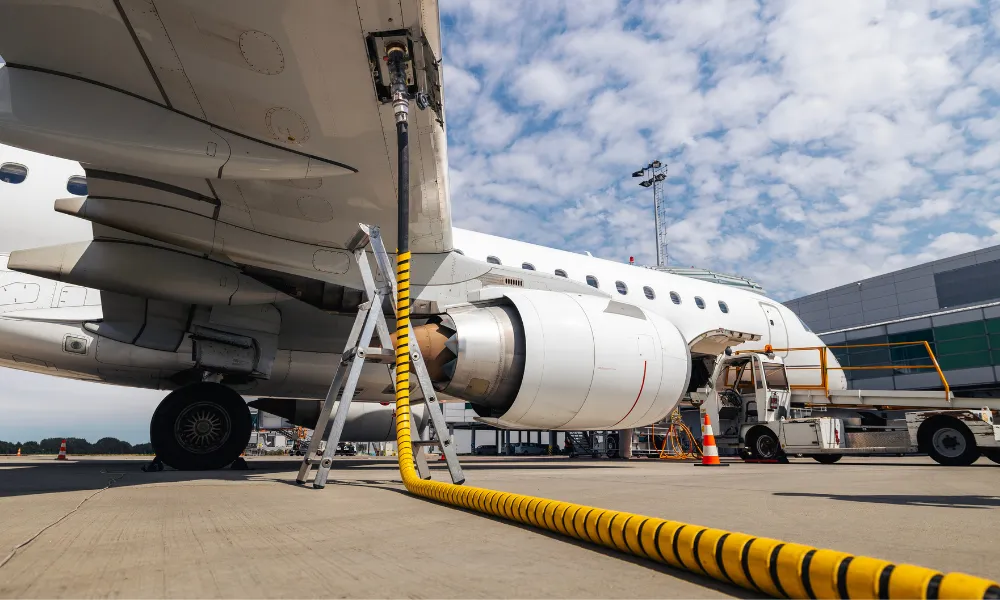

Diesel prices in Cyprus could exceed €2.10-€2.20 per litre within the next one to two months and remain high for an extended period as global fuel markets face persistent supply disruptions, energy expert Charles Ellinas said.
Speaking to CNA, Ellinas said high prices for diesel and aviation fuel were likely to continue until at least the middle of 2027.
"We should expect problems and be prepared to deal with them for quite some time," he said.
Refinery disruptions tighten supplies
Ellinas said the market was being squeezed by a combination of refinery outages in Russia and a sharp decline in fuel exports from the Gulf region.
He noted that several Russian refineries had been put out of operation following Ukrainian drone attacks, while exports of diesel and other petroleum products from the Persian Gulf had fallen by more than 50% because of the war.
Despite Brent crude trading below $100 a barrel, supplies of refined fuels remain under severe pressure, he said.
"Although the price of Brent is not very high today and has fallen below $100, the supply of diesel and petroleum products is in a difficult position and even more so jet fuel, aircraft fuel, where in some countries, in America for example, concerns are beginning to emerge that aircraft could be grounded," Ellinas said.
He said shortages of refined products were driving prices sharply higher.
"The prices of diesel and jet fuel are more than twice the price of Brent. And they will increase even further because these problems cannot be resolved today or tomorrow, unfortunately," he said.
Ellinas added that a major refinery in Moscow had been struck and was now completely out of operation, with a return to production expected to take months.
High prices seen lasting into next year
According to Ellinas, the impact of current disruptions will be felt well beyond the immediate crisis.
"This means that even if there is a de-escalation in the war with Ukraine, this situation will continue for much of next year and high prices may continue until the middle of next year," he said.
As an indication of market expectations, he noted that Brent crude for delivery in April 2027 was trading at around $90 per barrel, suggesting fuel prices would remain elevated for some time.
He also said the reduction in fuel excise duties should be maintained next year to help offset the impact on consumers.
Ripple effects across the economy
Ellinas warned that higher fuel costs would continue to feed through to transport, food prices and other sectors of the economy.
"The impacts are, of course, on transport, food and so on, and prices will continue to rise. It is not something under our control; the factors are external," he said.
He added that rising fuel costs were also contributing to higher inflation and interest rates.
"The impacts are chain reactions throughout the economy and unfortunately there is no easy way out. It is a problem the world entered because of the war in Iran and in Ukraine, to the point where we have now gone beyond the easy solutions. The high prices of petroleum products, particularly diesel and jet fuel, will unfortunately continue until the middle of next year," Ellinas said.
Source: CNA