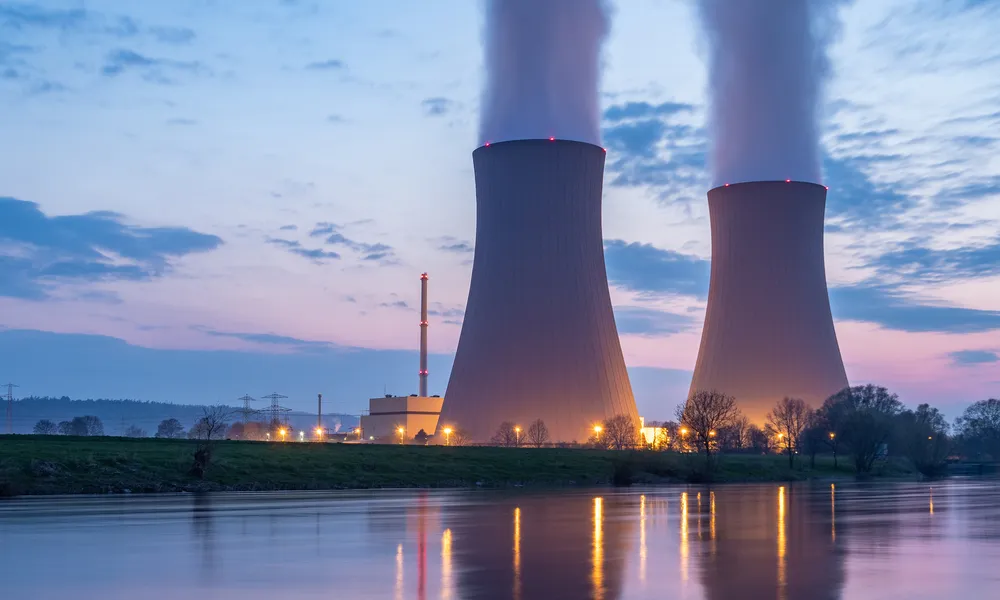
The complete disorganisation of Civil Defence – especially the deplorable condition of the shelter network, which was so dramatically revealed during the crisis triggered by the war in Iran, with roughly 20% of shelters either not meeting specifications or unavailable to the public – raises serious concern for another reason as well. In 2026, Turkey’s first nuclear power plant at Akkuyu in Mersin is expected to begin operating, and the pressing question is how prepared the Republic of Cyprus actually is to protect its population in the event of a nuclear accident.
We do not dispute that modern nuclear plants uphold high standards of safety and resilience, that Akkuyu was built in an area considered seismically safe, or that, at least on paper, there has been a national response plan since 2015 – known as ‘Elektra’ – which provides for preparedness exercises carried out under the responsibility of the Department of Labour Inspection. Nor do we dispute what was recently stated in Parliament: that modern equipment for real‑time radiation monitoring in the air and sea has been installed.
Without resorting to alarmism, the matter should not be reduced solely to detection capacities. What reasonably concerns us, above all, is civil protection in the extreme scenario of such an incident.
To begin with, the Civil Defence shelters in Cyprus – covering only 30% of the population – are designed mainly for wartime attacks and are not airtight. This means, as previously reported by Politis, that in the event of radiological contamination they would not be able to prevent radioactive particles from entering. In such a scenario, the primary instruction to the public would instead be temporary indoor confinement and avoidance of exposure to the atmosphere until conditions could be assessed.
Secondly, even assuming that iodine tablets are available to reduce the absorption of radioactive iodine, it remains unclear how these would be distributed to the population in an emergency.
Thirdly, the operational mechanism behind the ‘Elektra’ Plan has never been presented publicly. Citizens have not been informed, and have no idea how they are expected to respond in the event of a radiation leak.
Given that prevention and preparedness – whether in relation to natural disasters or man‑made hazards – are vital in any society that aspires to be modern, and should form part of the state’s overall defensive framework, it is crucial that citizens know how to react and how to protect themselves in the event of a radiation release. This need becomes even more urgent as the Akkuyu nuclear power plant, just 90 kilometres from the Turkish coast, prepares to begin operations.