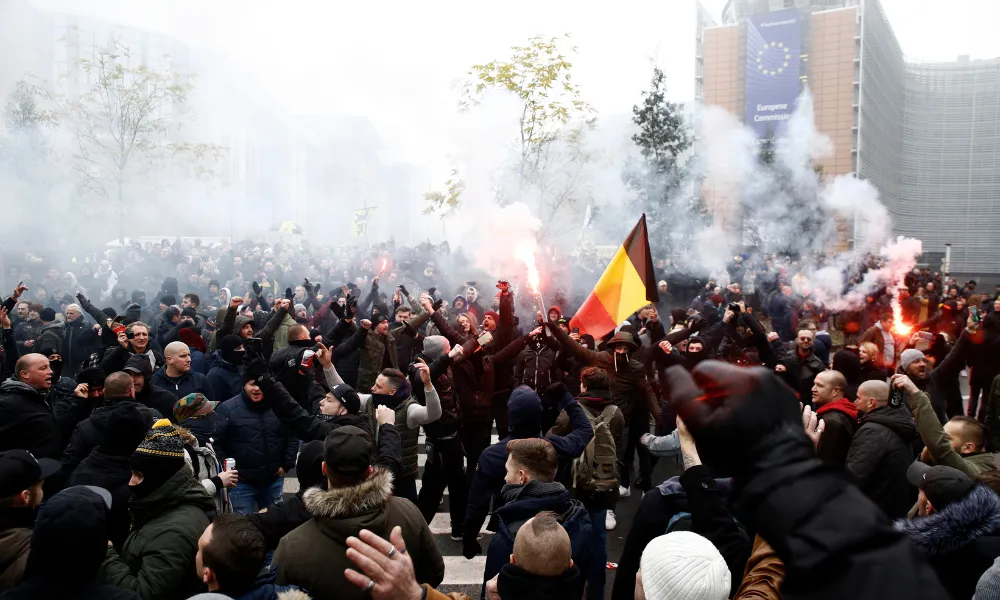
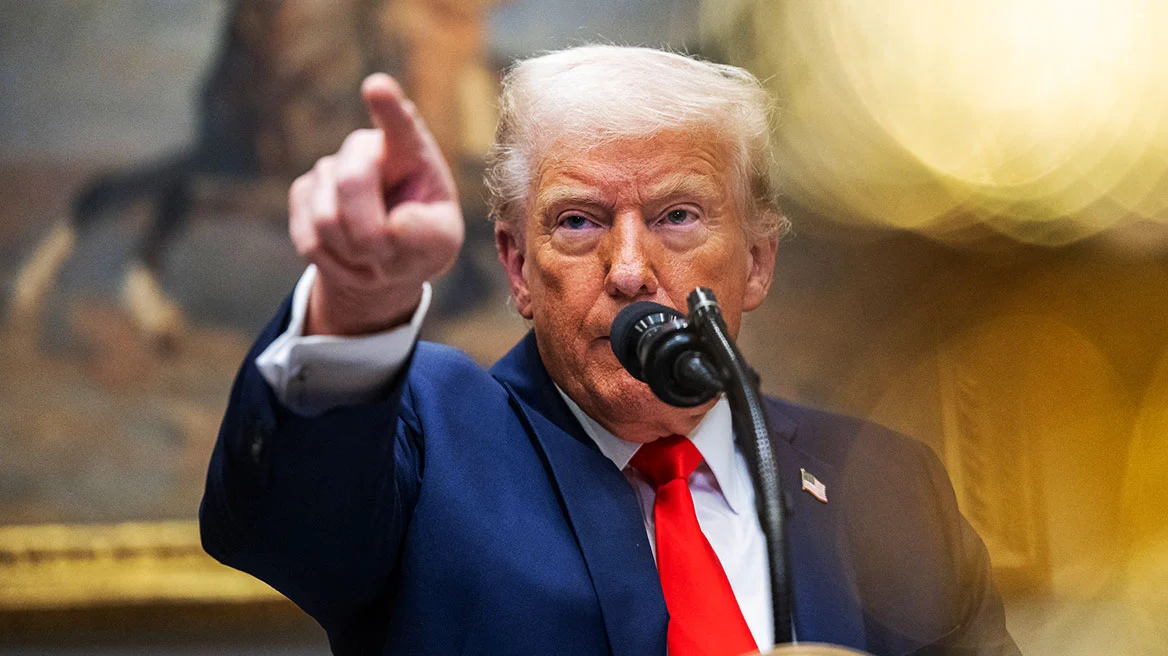
U.S. President Donald Trump’s open embrace of Europe’s nationalist parties is generating friction inside the far-right landscape, exposing how differently the continent’s two most influential movements view the political risks and opportunities of aligning with Washington.
Germany’s Alternative for Germany (AfD) has seized on Trump’s support as a path to legitimacy at home, while France’s National Rally views the association as potentially toxic, a reminder that far-right parties often share rhetoric but not strategic interests.
Politico first reported the widening rift, noting that Trump’s references to “patriotic European parties” in the administration’s new National Security Strategy were greeted enthusiastically in Berlin but coolly in Paris. Additional reporting from the BBC, FT and French media shows that both parties are calibrating their reactions with an eye to upcoming national elections.
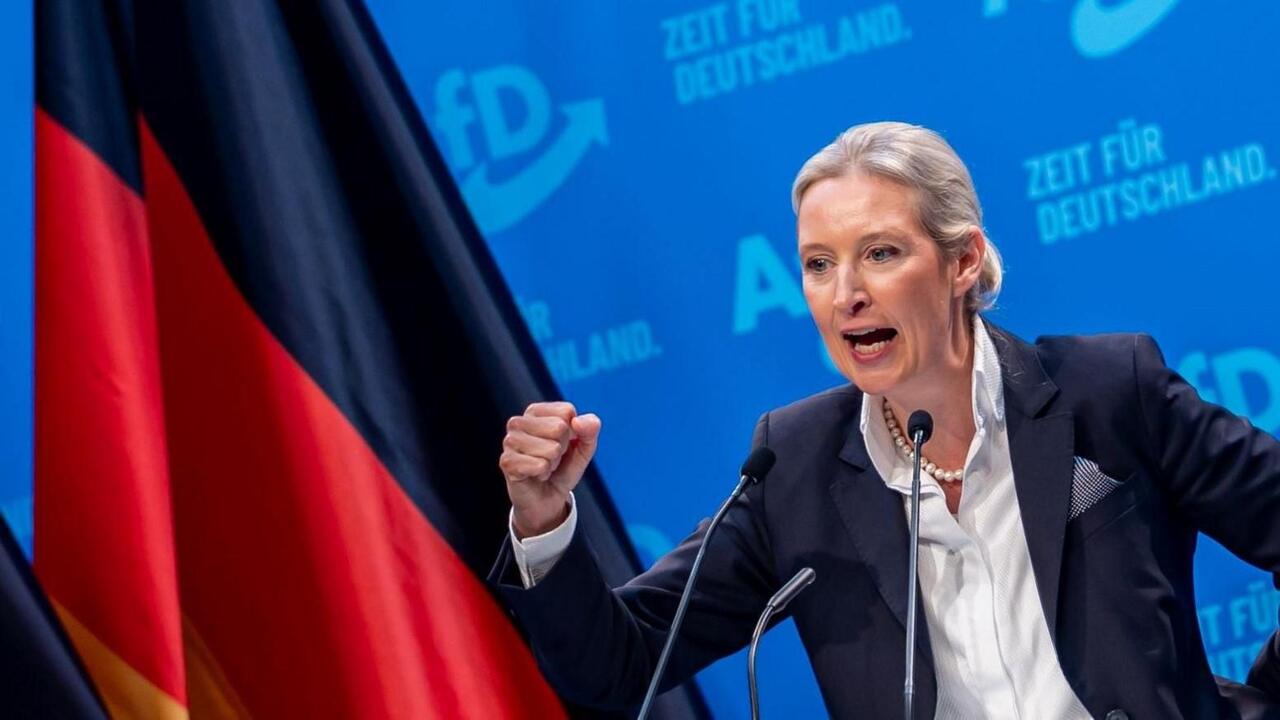
AfD sees Washington as a route out of isolation
AfD leaders celebrated recent attacks by the Trump administration against Europe’s mainstream political class, hailing them as validation of their core message. MEP Petr Bystron called the strategy document “direct recognition of our work,” praising its warnings that Europe may become “unrecognizable” in two decades due to migration and cultural shifts.
For AfD figures such as Bystron and Alice Weidel, Trump’s endorsement offers external legitimacy, something the party has lacked. The hope is that American backing may soften what they describe as Germany’s “firewall” against coalition cooperation, something U.S. Vice President JD Vance also criticised earlier this year in Munich when he urged European leaders to drop their exclusion of far-right parties.
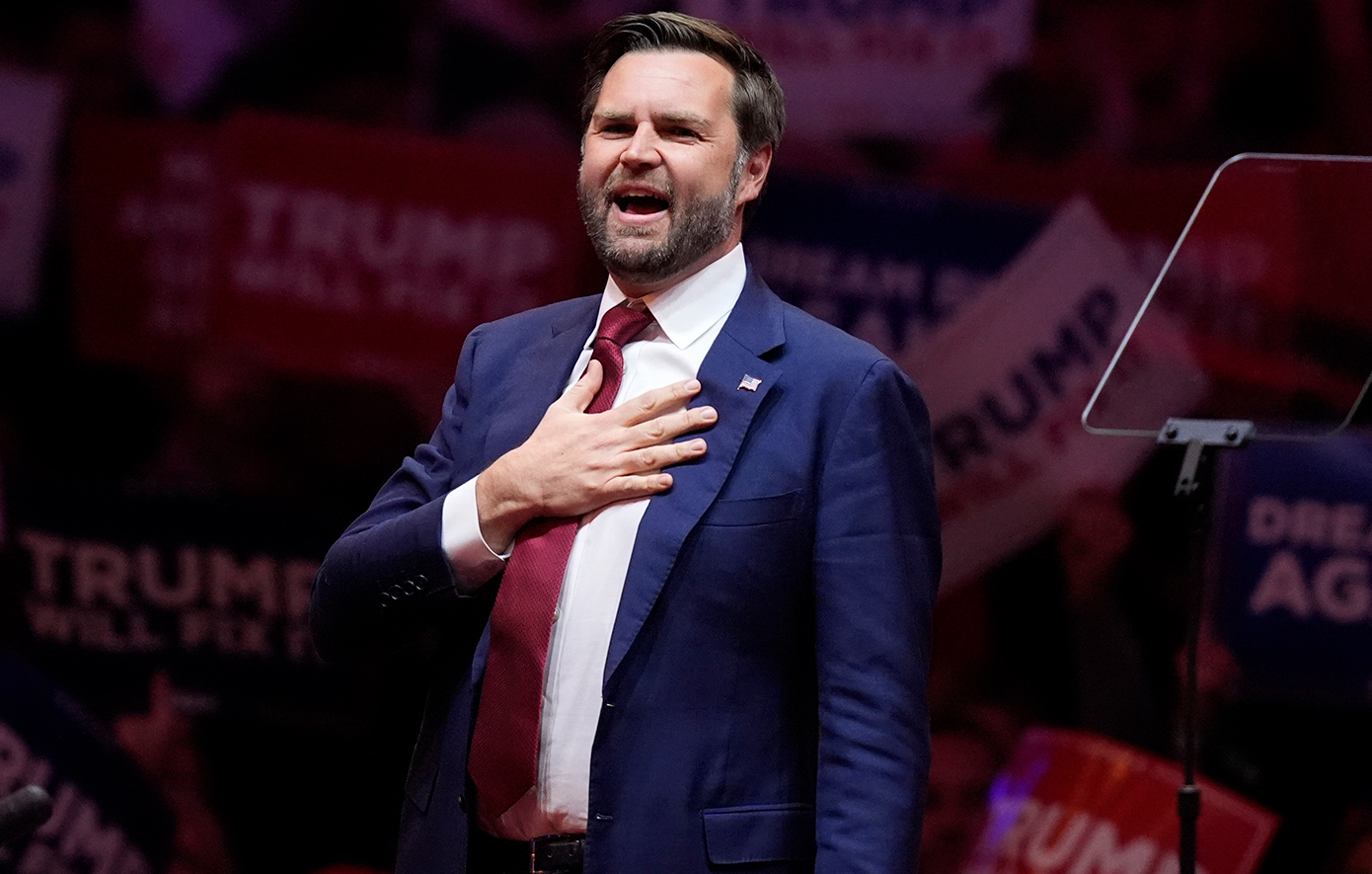
AfD politicians are in Washington this week to deepen ties with MAGA-aligned Republicans. Markus Frohnmaier, the party’s deputy parliamentary leader, will attend the New York Young Republican Club gala as an honoured guest. For these leasers, proximity to Trump projects strength at home and reframes domestic criticism, including Germany’s classification of the AfD as extremist, as alleged political persecution.
Several U.S. officials have reinforced this narrative. When German intelligence labelled the AfD a suspected extremist organisation, U.S. Secretary of State Marco Rubio condemned the move as “tyranny in disguise,” giving the AfD a potent talking point.
National Rally warns of a “liability, not an ally”
Across the Rhine, National Rally is choosing a very different strategy. Party president Jordan Bardella dismissed suggestions that the French far right seeks Trump’s approval. “I do not need a big brother like Trump,” he told The Telegraph. “I am French, so I do not accept vassalage.”
Senior party figures are even blunter in private. Thierry Mariani, a member of the National Rally’s national board, told Politico that Trump “treats us like a colony,” describing him as unpredictable and often “ridiculous.” The party’s leadership sees little domestic benefit in being associated with a U.S. president who is deeply unpopular in France.
Polling confirms the concern. An Odoxa survey after the 2024 U.S. election found that 85 percent of French voters consider Trump “aggressive” and 78 percent “racist.” Even among National Rally’s own supporters, 56 percent view him negatively.
Le Pen’s camp has spent years detoxifying the party’s image. Aligning with Trump, analysts say, would undermine that project and revive accusations that the movement serves foreign interests. As political scientist Jean-Yves Camus explains, National Rally’s platform differs fundamentally from Trumpism on issues such as welfare policy and religion.
“Trumpism is a distinctly American phenomenon that cannot be transplanted to France,” he said.
Le Pen has also worked to distance herself from Germany’s AfD. She pushed last year for its expulsion from the Identity and Democracy group in the European Parliament, citing scandals that made the AfD a political liability for her effort to appear mainstream ahead of the 2027 presidential race.
A European far right pulled in two directions
The contrast between the two parties reveals a deeper truth. Europe’s far-right movements often share grievances but diverge sharply on strategy. AfD is still fighting to escape the political margins and sees U.S. endorsement as a shortcut to legitimacy. National Rally, confident that it can win national power, sees foreign backing as an unnecessary risk.
Whether Trump’s intervention reshapes the European far right will depend on which approach proves more electorally successful. For now, one movement is leaning into Washington, while the other is keeping it firmly at arm’s length.
Sources: BBC, FT, Politico, The Telegraph