
Commandaria, long celebrated as the world’s oldest named wine still in production, has secured a place on UNESCO’s Representative List of the Intangible Cultural Heritage of Humanity. The decision, adopted on Wednesday by the UNESCO Intergovernmental Committee meeting in New Delhi, places Cyprus among the few countries whose ancient winemaking traditions have been internationally recognised as living heritage.
Deputy Minister of Culture Dr Vasiliki Kassianidou called the inscription a milestone for Cyprus. “This is recognition that surpasses gastronomy. It validates the centuries-old commitment of the Commandaria villages and honours an unbroken cultural thread that spans millennia,” she said, noting that the listing strengthens national efforts to safeguard and revitalise traditional rural practices.
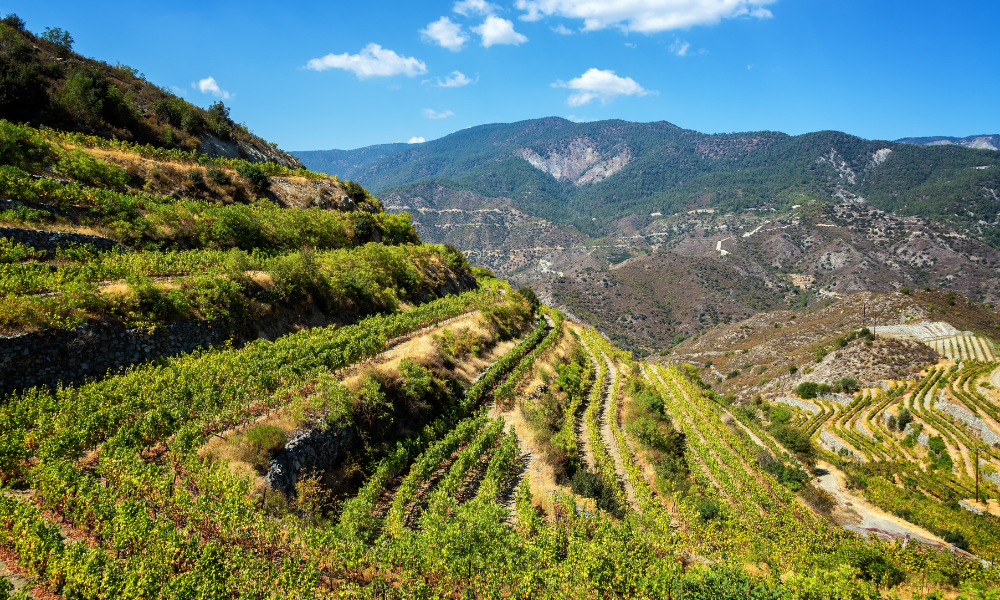
The UNESCO decision highlights not only the wine itself, but the entire ecosystem that sustains it: sun-dried indigenous grapes, terraced vineyards, communal harvests, village presses and rituals that mark each production cycle. Many of these practices survive precisely as they did in medieval and even ancient times, earning Commandaria a rare place in the global imagination as both a product and a cultural legacy.
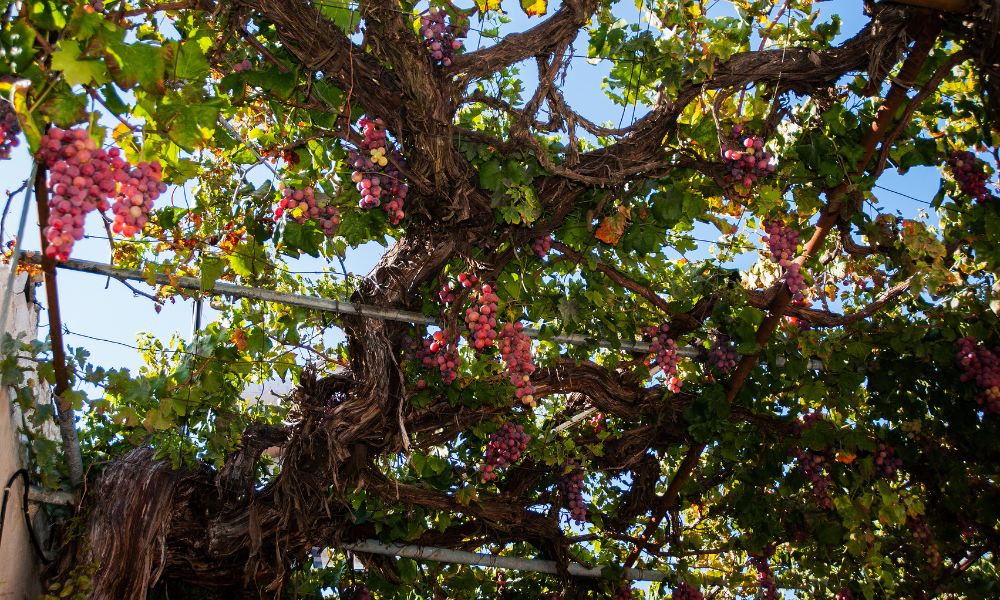
Dr Marina Solomidou Ieronymidou, president of the Cyprus National Commission for UNESCO, underscored this point. “Commandaria is a carrier of identity and collective memory. It binds communities to the land and preserves rituals that have shaped our cultural landscape for generations,” she said.
Pride and expectations for the next generation
From New Delhi, academic Dr Angel Nikolaou Konnari, representing the Deputy Ministry, said she hopes the international recognition will motivate younger Cypriots to take up the work of their predecessors. “This inscription can ignite pride. It can draw new interest to viticulture, winemaking and the landscapes that cradle these traditions,” she noted.
Experts familiar with UNESCO processes say that listings often lead not only to cultural prestige but to tangible economic benefits, including rural tourism, heritage trails, and investment in local infrastructure. Several European regions with similar inscriptions have seen increases in agrotourism and renewed cultivation of indigenous grape varieties.
A growing UNESCO footprint
Commandaria becomes the seventh Cypriot element inscribed on UNESCO’s intangible heritage list, alongside Lefkaritika embroidery, tsiattista songs, the Mediterranean Diet, dry-stone masonry, Byzantine chanting and midwifery. Cyprus also holds a place in UNESCO’s Register of Good Safeguarding Practices following the inclusion of the International Tocatì Festival and the Traditional Games of Cyprus in 2022.
For the Commandaria villages, the moment carries added weight. Many have faced demographic decline and economic pressures in recent decades. Local councils and winemakers hope the recognition will help anchor development plans already under discussion, including vineyard conservation zones, visitor routes and educational programmes.
Source: CNA