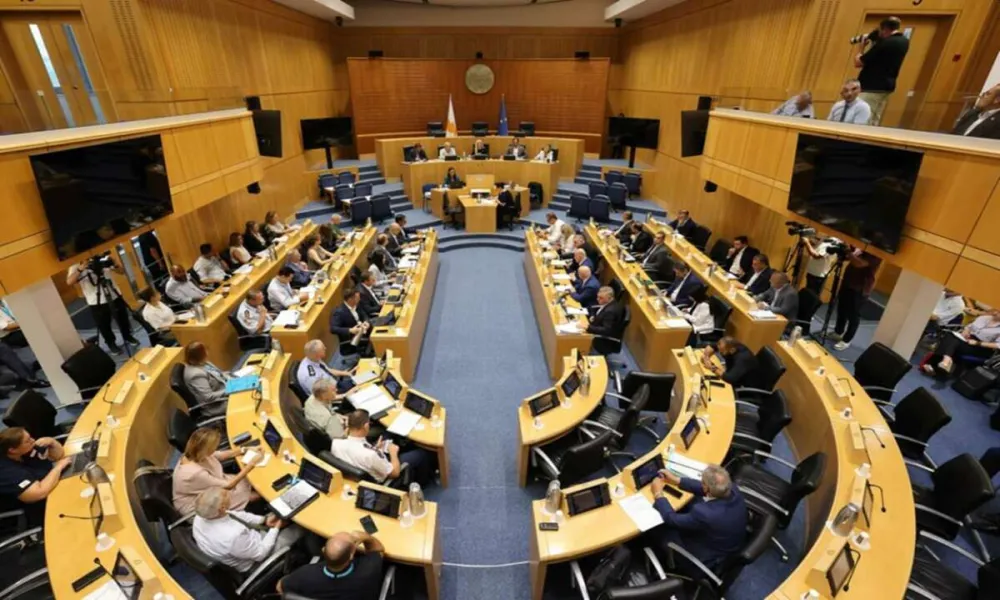

With polling day hours away, Cyprus's parliamentary campaign entered its final stretch on Wednesday with parties staking out positions on issues ranging from natural gas revenues and defence to animal disease management, while new research threw the island's long-term democratic trends into sharp relief.
A study by the research group Dedomenon, covering parliamentary elections in Cyprus between 1960 and 2021, found that voter abstention had been climbing even before compulsory voting was abolished in 2017. The figures on gender representation were equally striking: only 26 women have been elected to the House of Representatives out of 292 individuals since 1960. The late Vassos Lyssarides, founder of EDEK and former Speaker of the House, was identified as the longest-serving MP in the island's parliamentary history, with a career spanning 45 years and eight legislative terms.
Logistics and oversight
The General Returning Officer announced that only blue or black ballpoint pens will be available inside polling booths on election day. More than 2,000 police officers are to be deployed across voting centres, according to Police Headquarters communications officer Marina Christodoulidou, who said action plans had been prepared both for monitoring the voting process and for policing various locations. The Cyprus Authority for Radio and Television and Digital Services said it would continue to monitor compliance with electoral and broadcasting legislation to safeguard the integrity of the process, adding that no reported violation would go without institutional handling.
Parties outline positions
DISY leader Annita Demetriou said the party was seeking a strong presence in the new parliament to "tip the balance in favour of stability, realism and responsible decisions." She declined to comment on the speakership of parliament, saying it would be politically premature to do so. DISY also outlined its position on the circular economy, arguing that for an island state Cyprus's sea constitutes a pillar of sustainable development and strategic resilience.
AKEL and Turkish Cypriot trade unions affiliated with the World Federation of Trade Unions reiterated their support for a bizonal, bicommunal federation with political equality as the basis for a Cyprus settlement, following a meeting between AKEL Secretary-General and the head of Dev-Is. Party spokesperson Giorgos Koukoumas described AKEL as "the strong pole of progress, democracy and society" and said recent interventions by former President Nicos Anastasiades and President Nikos Christodoulides were provoking public unease. AKEL also welcomed the approval of a development and production plan for the Cronos natural gas field, while stressing that this did not automatically mean immediate commercial exploitation.
DIKO leader Nicolas Papadopoulos announced plans to submit legislation linking the Social Insurance Fund and pensions to revenues from natural gas, describing it as the party's first legislative proposal for the new parliament following the Cabinet decision on the Cronos block sale agreement. DIKO also reaffirmed its support for the One China policy as a cornerstone of Cyprus-China relations.
EDEK called on Cyprus and Greece to pursue a permanent agreement for the stationing of Greek fighter jets on the island, welcoming Athens's decision to keep four F-16s in Paphos for the time being.
DIPA leader Marios Garoyian repeated the party's call to abolish double taxation on fuel and electricity bills issued by the Cyprus Electricity Authority, and pointed to continued economic growth as evidence of the island's resilience.
The Movement of Ecologists – Citizens' Cooperation expressed concern over the government's handling of the foot-and-mouth disease outbreak, accusing the state of failing to contain its spread with severe consequences for livestock farmers and the agricultural economy.
Volt Cyprus called on President Christodoulides to provide answers regarding recommendations made by independent criminal investigators probing the death of Stylianos, which reportedly involve potential criminal responsibilities touching on the Chief of Police. The party said the handling of the matter was deepening public distrust in the rule of law.
The political movement Sikou Pano accused the Cyprus Broadcasting Authority of unequal treatment of political parties and candidates, warning that it reserved the right to challenge the integrity of the elections before the courts.
Source: CNA