Politis to the Point invites reader letters on our reporting and on issues of public interest. Contributions may be edited for brevity, clarity or readability. We do not publish material that includes unverified allegations, defamatory content or language that incites hatred or discrimination.
The recent election of Turkish Cypriot leader Tufan Erhürman has prompted concern among displaced Famagustians and wider Cypriot society. Expectations that the new leadership might approach positions closer to the Greek Cypriot side have not been met, as Erhürman’s public statements reflect alignment with Ankara’s policy and support for a two-state framework. For Famagusta’s displaced residents, this serves as a reminder that the effort for the city’s return remains pressing.
The city before 1974
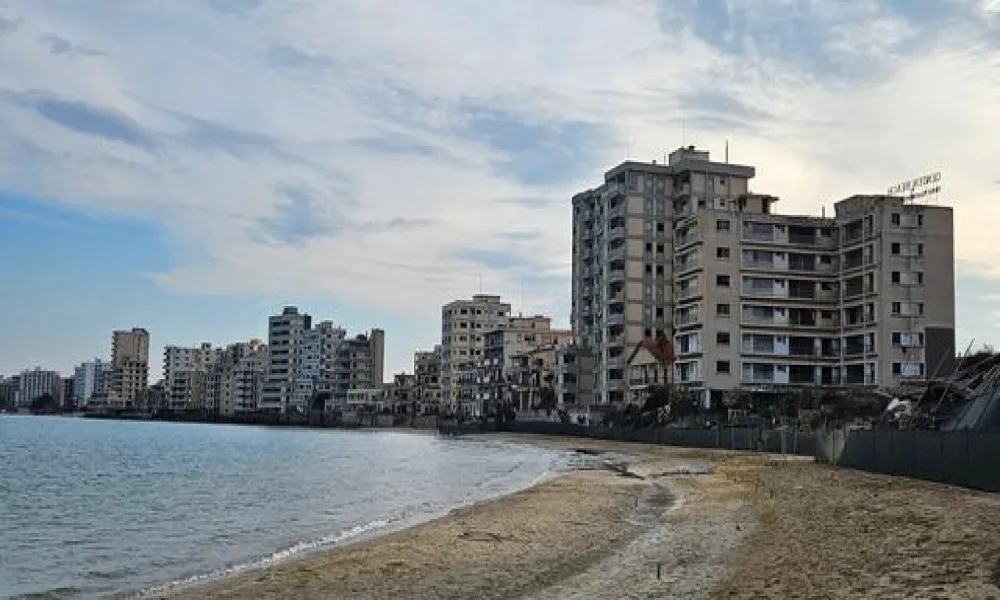
Before the 1974 Turkish invasion, Famagusta was a vibrant, multicultural city with active commercial, social and cultural life. Its neighbourhoods, squares, markets and port areas were central to daily activity. The expulsion of residents and the occupation of the city drastically altered this reality. The small area within the walls and the 16.75 per cent of municipal limits that remain closed off by military fencing cannot be considered representative of Famagusta. The entire city belongs to its lawful inhabitants, and UN Security Council Resolutions 550 and 789, as well as the Kyprianou Denktash high-level agreements, all affirm that its return is a priority.
International inaction and the impact of crossings
The international community continues to show limited reaction to the ongoing occupation. Meanwhile, the free movement of people across the crossing points, instead of generating momentum towards a settlement, has contributed to the consolidation of the unrecognised entity. Daily interactions have created the perception among Turkish Cypriots of indirect acceptance of the status quo, weakening efforts for meaningful reunification.
Advocacy by the Famagusta Association of the United Kingdom
Within this context, the Famagusta Association UK continues its organised and multidimensional advocacy work. Its actions include informing the international community, promoting resolutions, collecting signatures, organising demonstrations, holding events in the UK Parliament and engaging in international diplomacy.
One of its most prominent initiatives gathered more than 50,000 signatures in support of the full return of Famagusta to its lawful residents. These were submitted to key international institutions, including the UK government, the European Union, the UN Security Council and the Council of Europe. The initiative served as a tool of international pressure, underscoring that Famagusta remains under occupation and that its return is an internationally recognised obligation.
The Association also played a central role in advancing a resolution in the UK Parliament, approved after extensive meetings with MPs, shadow ministers and Foreign Office officials. The resolution highlighted the necessity of the city’s return and reaffirmed support for the implementation of UN resolutions. In 2023, the Council of Europe recognised the human rights violations in Famagusta, further elevating the issue internationally.
Presence in public and political spaces
The Association has strengthened its public presence through demonstrations outside Downing Street, the UK Parliament and the Turkish Embassy. These efforts, combined with regular events inside Parliament involving MPs, peers, diplomats and ambassadors, ensure that Famagusta remains at the forefront of political discussion. Meetings with ministers, shadow ministers and senior Foreign Office staff reinforce political pressure and sustain efforts to uphold international law.
Current priorities
The Association’s present focus is to maintain international awareness, secure support from the UK Parliament and the European Union, uphold UN resolutions and ensure the right of Famagustians to return to their homes and properties. A new resolution is now being pursued in the UK Parliament in favour of the full return of the city, aiming to intensify international pressure on Turkey and the unrecognised entity.
Conclusion
Despite ongoing challenges and the firm stance of Turkey and the Turkish Cypriot leadership, the efforts of Famagustians remain active, organised and internationally recognised. The return of Famagusta is not solely a historical or political claim. The continued occupation constitutes a violation of international human rights and UN decisions, as well as the rights and dignity of displaced residents. The Famagusta Association UK continues its work across political, diplomatic, social and international spheres to achieve the city’s return to its lawful inhabitants and the full restoration of justice.
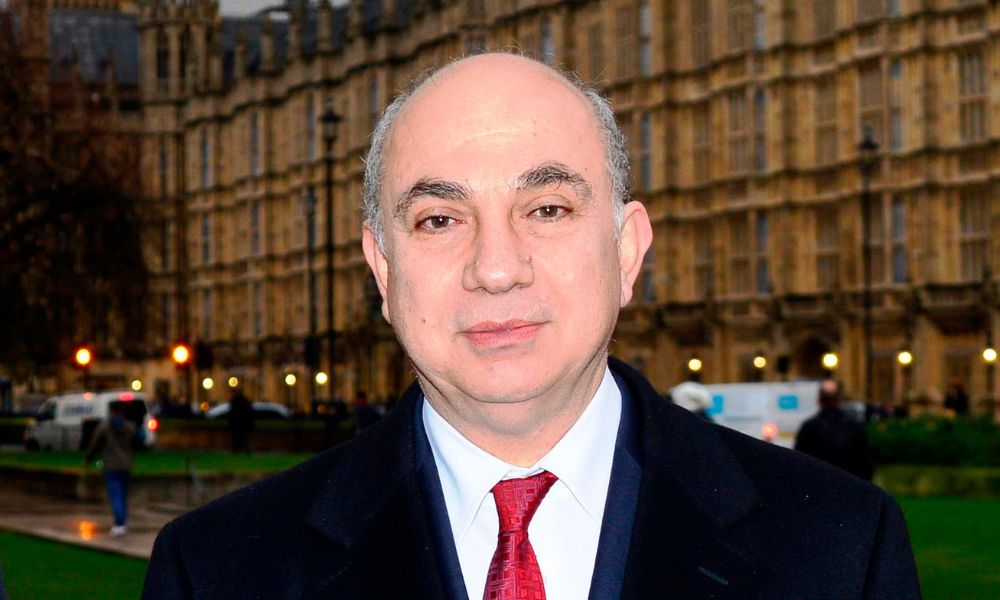
Dr Vasilis Mavrou is President of the Famagusta Association UK.