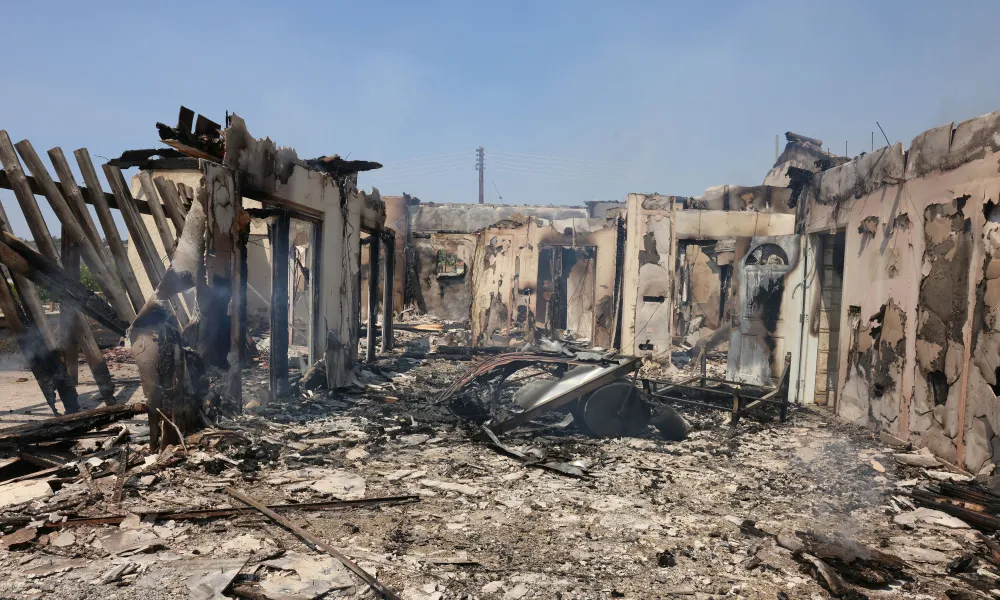

"Men argue, nature acts". Voltaire’s saying has become associated today with climate change and human inertia in taking action. This was reminded to us last Thursday in Nicosia by scientists from Sweden, Hungary, Cyprus and Greece who, in the aftermath of the large fire in Limassol, presented to a group of journalists the 2025 report of the European Academies’ Science Advisory Council (EASAC). The central message is that Cyprus and Europe continue to focus mainly on fire suppression and only to a very limited extent on prevention. At a time when fires are increasing as a result of climate change, prolonged drought, changes in land use and the accumulation of flammable biomass, suppression alone is not enough, as was stressed at the event organised by the Cyprus Academy of Sciences, Letters and Arts (a member of EASAC) at the Cyprus Institute.
When a fire grows out of control
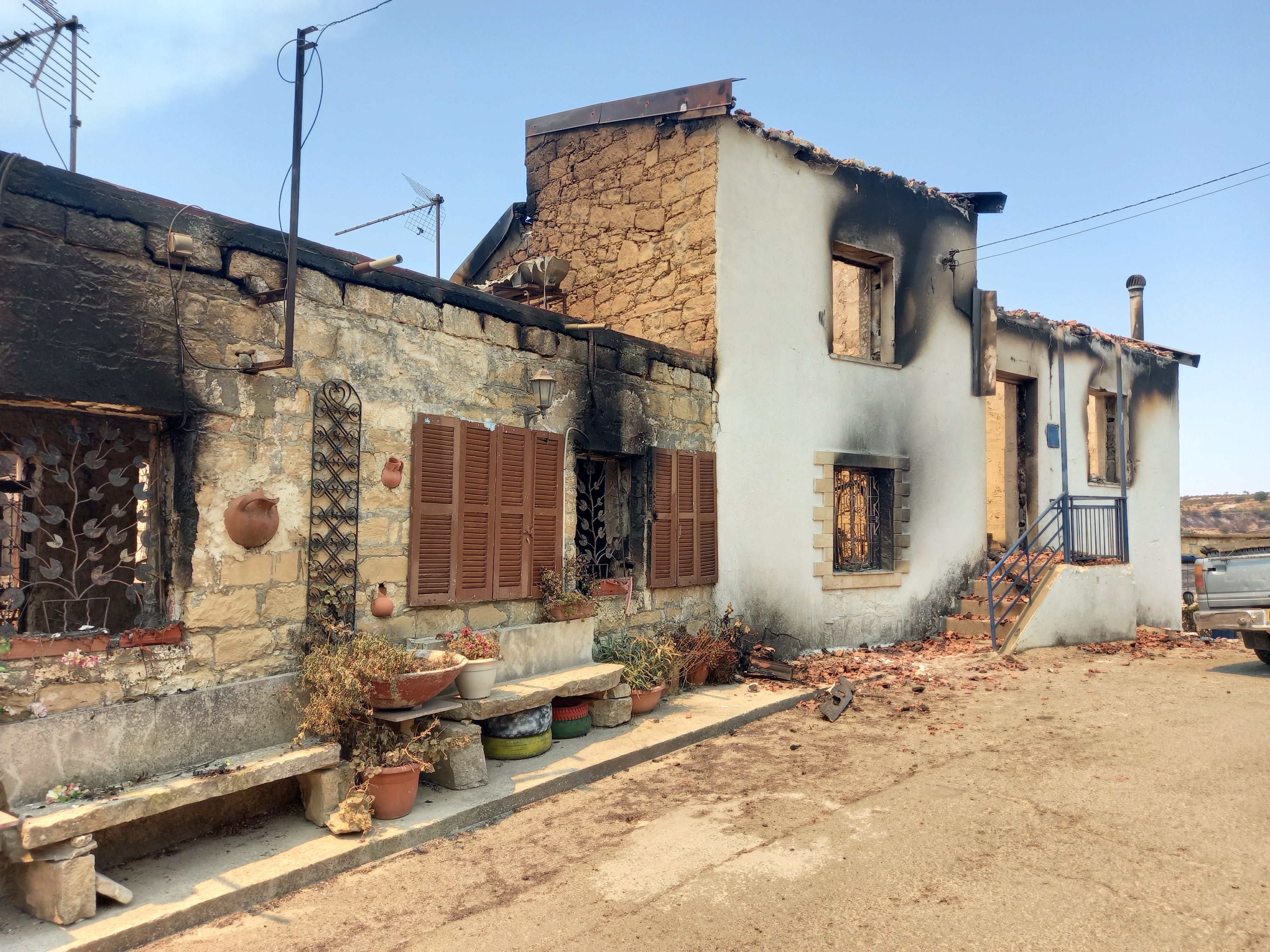
The descriptions given by the well‑known professor of Natural Disaster Management, Efthymios Lekkas, referred to the harsh realities that led to the major destruction in Limassol last summer. With the following characteristic words, he stressed how futile firefighting efforts become once a mega‑fire breaks out, and he argued strongly in favour of investing in prevention:
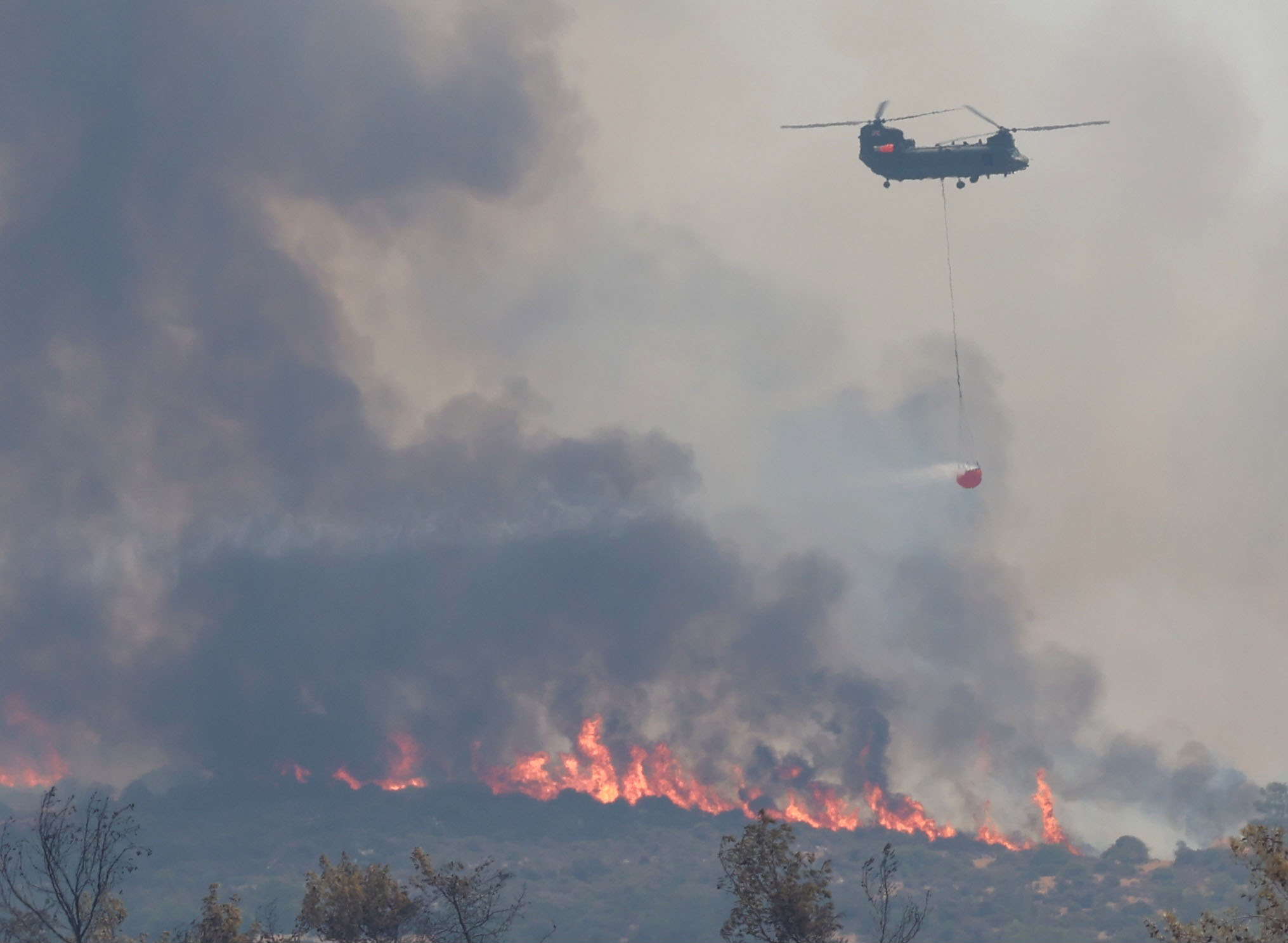
“In the co‑destructive stage of a fire we are lost, because we are faced with a mega‑fire, where the things we can do are extremely limited. Even if we have countless resources. Even if we have 2,000 fire engines and 5,000 personnel. When a fire grows to enormous proportions and we have not stopped it earlier, at the prevention stage, we cannot extinguish it. We have seen this recently in the fires in Evros, in Los Angeles, and in other fires. It is very difficult to put out a fire; whatever we do, we cannot approach the field from closer than 500 metres. No matter how much water we drop on a mega‑fire, the water evaporates before it even reaches the burning forest, because the temperatures are enormous. Therefore, at the co‑destructive stage there is very little we can do; the fire will go out if it reaches the sea.”
Four pillars of change
In general terms, EASAC recommends that EU member states adopt the following:
• Preventive land and landscape management based on risk assessment • Integration of fire risk into spatial planning and climate adaptation • Investment in prevention, fuel management and the creation of resilient landscapes • Public awareness and education on fire‑related issues
As highlighted in the presentation, for Cyprus this means integrating fire risk into all policies relating to climate adaptation, civil protection, agriculture and water management. At the same time, the great importance of regional cooperation was emphasised, since joint monitoring, modelling and risk assessment are then more effective and more economical.
Cyprus challenges
The EASAC report finds Cyprus in the process of creating a National Civil Protection Mechanism within the Ministry of the Interior, which will be renamed the Ministry of the Interior and Civil Protection. So far, actions are being taken at three levels: the Department of Town Planning and Housing, the District Administrations and Civil Defence, according to a competent source from the Ministry who spoke to “P” when we put to them the above prevention issues raised by Europe’s scientists. Specifically, the following are under way:
Department of Town Planning and Housing: A special chapter on climate change is being prepared, which will be included in the revised texts of the Policy Statement. This will also include references to spatial planning in a way that strengthens resilience to natural disasters, including fires. A new landscape study is also in progress.
District Administrations: The District Administrations, in cooperation with Community Councils, are carrying out community‑level clearing works for fire protection purposes. It is recalled that in 2025 the Council of Ministers took two decisions to allocate funds to Community Councils for these clearances. The first decision (April 2025) concerned the allocation of €1 million to villages adjacent to forest areas, and the second decision concerned the allocation of an additional €2.1 million to 23 Community Clusters, for the purpose of carrying out the necessary clearing of abandoned agricultural land within a depth of 200 metres around the residential areas of the Communities, for fire protection purposes.
Civil Defence: With the aim of strengthening citizens’ ability to respond to natural disaster incidents, the Civil Defence Force carries out various information and training activities for both Local Authorities and the public. Beyond the continuous training actions held throughout the year, the Civil Protection Month will take place again this March for the second consecutive year (it was held for the first time in 2025). As part of this initiative, activities such as lectures, media appearances, simulation exercises and training drills are organised, with the goal of informing and educating citizens on how to respond correctly in emergency situations caused by natural disasters. This year, the activities will focus on informing and educating children. In addition, an information and awareness campaign is planned, making use of various communication channels.
Ministry of Agriculture
From the Ministry of Agriculture’s side, actions for vegetation management are currently at a pilot stage. Among other things, the method of controlled burning for vegetation management was piloted last March under the supervision of specialised experts from Cyprus and abroad. Further training of personnel abroad has already been scheduled. In 2025, the Ministry, in cooperation with the Department of Forests and the Department of Agriculture, began implementing controlled grazing in an area of Pyrgos Tyllirias, while in 2026 two more areas will follow, each with different land‑cover characteristics, fuel loads and levels of fire‑spread risk. The results will be used to shape a specific measure with a view to its inclusion in the Strategic Plan of the Common Agricultural Policy. At the same time, as an additional prevention measure, an obligation has been established, in consultation with the Ministry of the Interior, for the clearing of agricultural land in high‑risk areas that has been abandoned, through a provision in the Communities Law (Article 82).
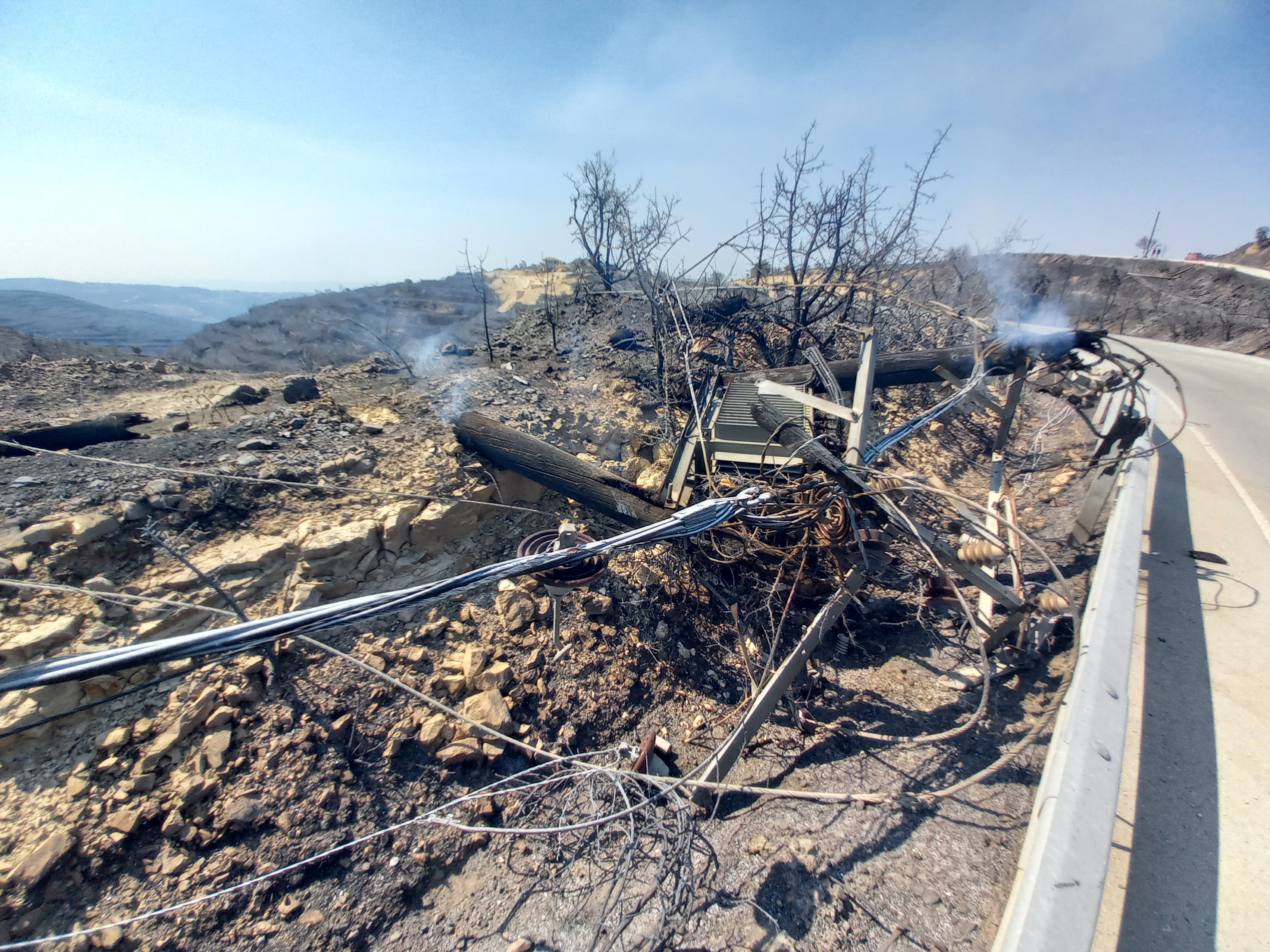
To reduce the risk of fires caused by critical infrastructure such as power lines, the Ministry has proceeded with coordinated and targeted interventions. The Electricity Authority of Cyprus is already implementing an extensive action plan that includes the undergrounding of electricity transmission cables in sensitive areas, the replacement of bare conductors with insulated ones in various locations within the high‑risk zone, and the pruning of trees that approach power lines.
The road ahead is still long – Lessons from Los Angeles
But is all of the above enough for now? Reading the full Report, one realises that the road ahead is still long. Significant funds will need to be dedicated to fire prevention. However, as noted at the event at the Cyprus Institute by academic and coordinator of the Research Office of the Cyprus Academy for the Climate Crisis and Sustainable Development, Costas N. Papanicolas, the cost of recovery from destructive events will increase year by year.
The fires in Los Angeles in the United States in 2025 can offer relevant lessons and warnings for Europe’s urban areas, according to the Report. To build fire‑resilient cities, experts in the Los Angeles region now advocate strategic urban planning, including fire protection zones, fire‑resistant materials and the reduction of flammable vegetation. Los Angeles is examining incentives for relocation and urban densification in safer areas instead of rebuilding in high‑risk zones. “European cities should likewise integrate fire risk reduction into urban and broader land‑use planning, limiting development in fire‑prone areas, strengthening emergency preparedness, investing in resilient infrastructure and supporting collaborative governance,” the EASAC Report’s authors state.
Lack of a common European policy
As emphasised at the event, the prevention stage requires substantial financial investment from governments, and for this reason decisions must be taken at EU level. The Report identifies as a major obstacle the absence of a common, comprehensive fire‑risk management policy for all member states.
It then offers proposals. Existing EU strategies, such as the Common Agricultural Policy, the Climate Strategy, the Biodiversity Strategy and the Farm to Fork Strategy, could be better aligned with the principles of fire‑risk reduction. Opportunities for such alignment include the following:
• Ecological corridors: the biodiversity strategy’s goal of increasing landscape connectivity could unintentionally facilitate the spread of fires. These corridors could instead be designed as firebreaks, avoiding flammable vegetation.
• Urban greenery: increasing tree cover in cities and peri‑urban areas requires consideration of fire risk. Restoring grasslands and avoiding highly flammable vegetation can reduce vulnerability in the wildland‑urban interface.
• Tree‑planting initiatives: the EU target of planting 3 billion trees by 2030 must prioritise fire‑resistant native species and diverse, multi‑aged plantations. Afforestation should be avoided in areas where open habitats are ecologically critical, such as semi‑arid regions.
There are also significant opportunities to reduce fire risk through synergies with measures related to the Common Agricultural Policy, such as promoting extensive grazing in abandoned areas to reduce fuel loads and creating fire‑resistant zones around settlements to support the wildland‑urban interface.
Report-Reccomendations:
• Encouraging compact urban planning and reducing urban sprawl in fire‑prone areas.
• Integrating fire‑risk management into urban planning, especially in suburban and peri‑urban zones.
• Providing incentives for fire‑resistant construction and vegetation in interface areas.
• Increasing investment in biomass‑management strategies, particularly near high‑risk zones. • Supporting local communities in implementing controlled burning, for example for agriculture, forestry and biodiversity conservation.
• Integrating fire management and landscape fire dynamics into primary, secondary, vocational and higher‑education curricula.
• Transitioning to multifunctional landscapes with mixed land uses, which can improve fire resilience while supporting biodiversity, agriculture and forestry.