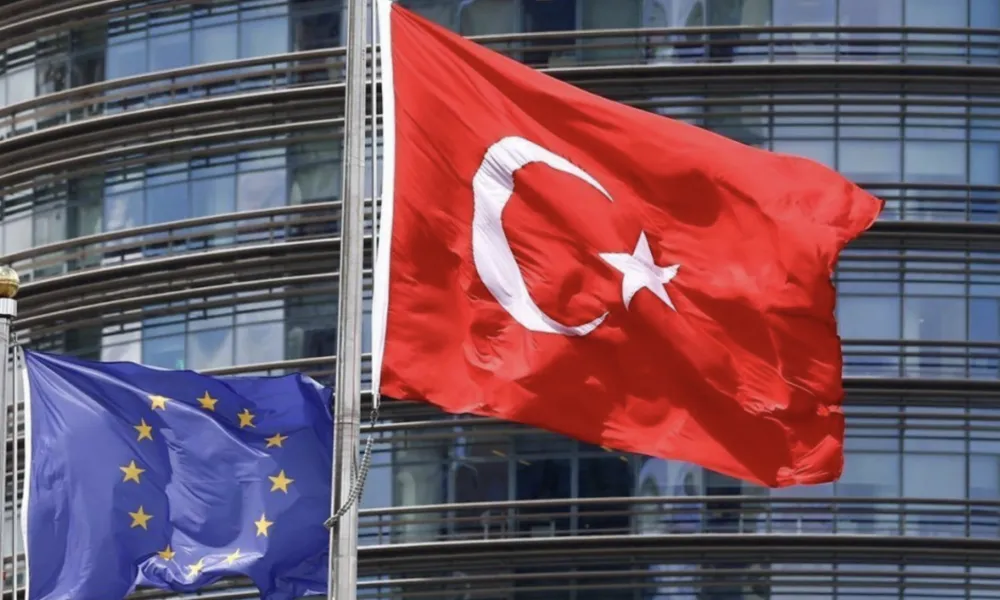
Relations between the European Union and Turkey may come under renewed strain during the first half of 2026, when the Republic of Cyprus assumes the rotating Presidency of the Council of the EU, according to Turkish analysts cited by the English-language daily Daily Sabah.
Presidency agenda seen as potential flashpoint
The newspaper reports that Ankara fears the Cypriot presidency’s priorities could negatively affect the current EU-Turkey dynamic, particularly on long-standing disputes involving the Cyprus issue, maritime boundaries in the Eastern Mediterranean and defence cooperation frameworks.
Professor Ali Fuat Gökçe argues that the Greek Cypriot side is promoting policies he claims run counter to the interests of Turkey and the Turkish Cypriot community, referring to defence partnerships, joint exercises and military initiatives on the island.
Associate Professor Emete Gözügüzelli adds that Nicosia views the EU presidency as a strategic tool to strengthen its position in the Eastern Mediterranean and increase diplomatic pressure on Ankara, especially on matters related to hydrocarbons.
Disputes over maritime agreements and defence initiatives
The report also highlights Ankara’s opposition to the recent Lebanon-Cyprus maritime delimitation agreement, as well as Turkey’s frustration over Greece and Cyprus objecting to its participation in the EU’s defence programme SAFE.
According to Daily Sabah, these issues could converge to create renewed friction between Ankara and Brussels once Cyprus takes over the Council presidency.
Source: CNA