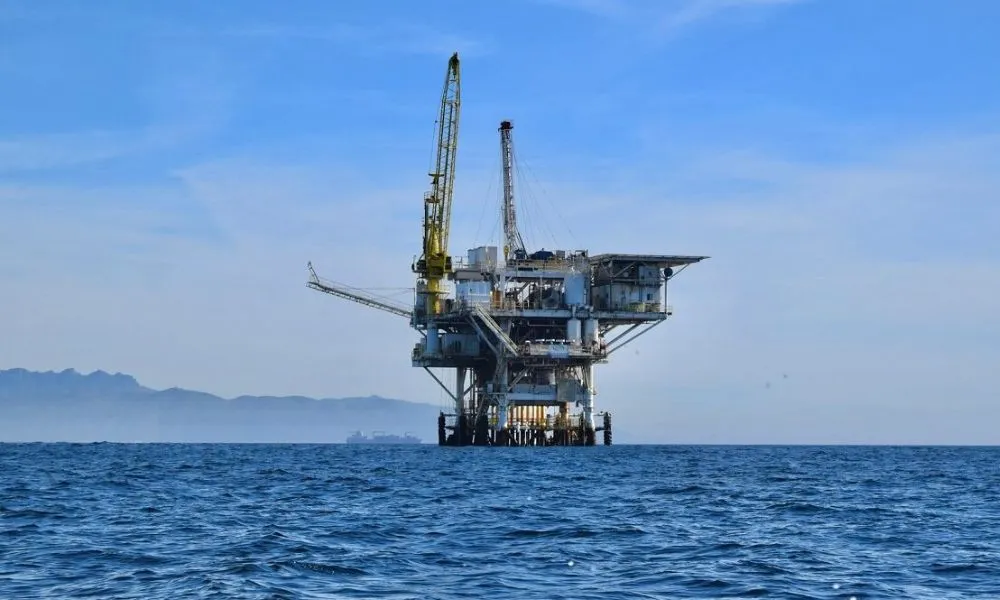

Cyprus is approaching a historic turning point in the utilisation of its energy resources. This was the message the government sought to send, approving both the development and production plan for the 'Cronos' field and the terms for the sale agreement of 'Aphrodite.' In essence, the Cabinet gave the green light to the Eni–Total and Chevron consortia to proceed towards taking their final investment decisions – the first within 2026 and the second in 2027.
The government’s narrative is that the commercial exploitation of the reserves, 15 years after the first discovery, will transform Cyprus into an important energy hub, contributing to the EU’s efforts to reduce dependence on Russian gas and strengthening energy security through diversification of supply routes. At the same time, it lays the foundation for a domestic energy industry that could support economic growth and create new, quality jobs.
These developments create a climate of optimism that, within the next two years, the country could move from exploration to actual production, with the aim of bringing the first quantities of natural gas to market in 2028. Undoubtedly, these are developments of significant economic and geopolitical importance.
However, the discussion cannot be limited to whether and when gas will be extracted. There are equally critical questions.
First, whether these developments can act as an incentive for a solution to the Cyprus problem. In early June, the UN Secretary‑General’s personal envoy is expected to return to Cyprus after a four‑month absence, with contacts also planned in Athens and Ankara. Recently, the President of the Republic indicated possible developments, mentioning the prospect of a proposal for a Cyprus settlement before the end of 2026. Given the demands of Turkey and the north for participation in management and revenue sharing, and Nicosia’s long‑standing position that natural resource revenues will be distributed fairly after a solution through a federal framework, the question arises whether current circumstances could create a new momentum for negotiations.
The second question concerns how potential revenues will be managed. Distribution will not occur immediately upon the start of extraction, but over time, after companies recover their investments. Even so, if Cyprus succeeds in moving to production and sales, the operation of the National Investment Fund must be clearly defined. In a country where corruption and vested interests have often shaped outcomes, credibility, transparency and accountability in managing funds, which could exceed half a billion annually , will be a real test.
It is therefore essential to know in advance, before final agreements are concluded, how these resources will be transformed into collective benefit rather than leading to poor decisions and missed opportunities for the country and future generations.