


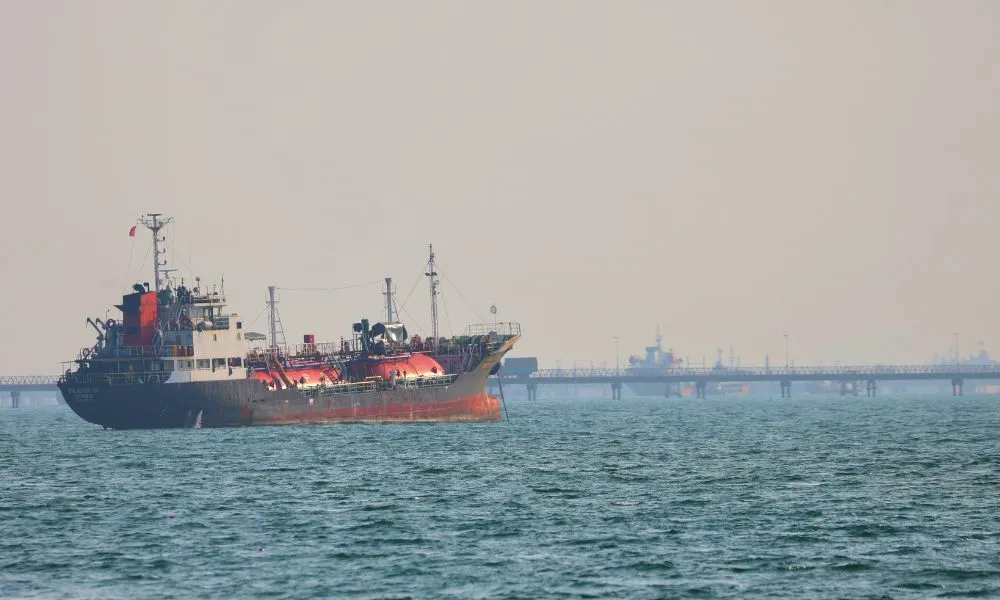
A prolonged closure of the Strait of Hormuz risks triggering a systemic shock to global agri-food systems that could lead to a severe worldwide food price crisis within six to 12 months, the United Nations Food and Agriculture Organization (FAO) has warned.
The FAO said urgent action was needed to prevent such an outcome, including the establishment of alternative trade routes, restraint on export restrictions, protection of humanitarian aid flows and the creation of reserves to absorb rising transport costs.
“It is time to begin seriously examining how we can increase countries’ absorption capacity and strengthen their resilience against this obstacle in order to minimise the potential impacts,” said Máximo Torero, chief economist at the FAO, in a newly released podcast published on Wednesday.
Time running out
According to the Rome-based UN agency, the window for preventive action is closing rapidly.
The FAO said decisions currently being taken by farmers and governments regarding fertiliser use, imports and financing would determine whether a major global food price crisis emerges within the next six to 12 months.
The organisation’s Food Price Index, which tracks monthly changes in international prices for a basket of globally traded food commodities, rose for a third consecutive month in April due to high energy costs and disruptions linked to the conflict in the Middle East.
Stark warning
The FAO warned that the shock was spreading progressively through the global food chain, affecting energy supplies, fertilisers and seeds, leading to reduced production, higher raw material costs and eventually food inflation.
The situation could worsen further with the arrival of El Niño, which is expected to bring droughts and disrupt rainfall and temperature patterns in several regions, the agency added.
To mitigate the risks, the FAO recommended more than 20 short-, medium- and long-term measures, including the development of alternative routes to bypass the Strait of Hormuz, affordable loans for farmers and the creation of regional reserves.