


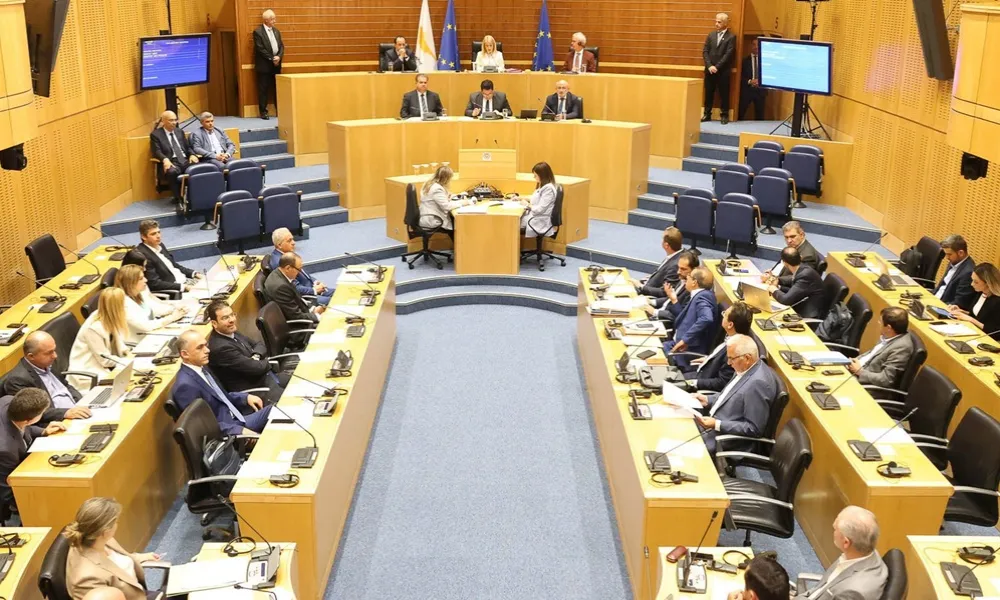
Being a member of parliament is one of the most important forms of political representation and public responsibility. MPs legislate, exercise oversight over the executive and represent the will of citizens within the legislative body. Their role directly affects daily life, as their decisions and policy interventions shape key issues relating to the economy, labour, education, health and the effective functioning of the state and its institutions.
The office of MP is accompanied by privileges aimed at safeguarding independence and the unhindered exercise of duties. These include substantial monthly earnings, allowances and pension benefits, as well as parliamentary immunity.
Earnings
Parliamentary remuneration, together with allowances for representation, secretarial support and travel, amounts to €6,000 net per month. This is the figure new MPs elected next week will receive. The compensation is intended to ensure their independence so they can perform their duties without interference.
In practice, however, for many MPs this amount does not constitute their sole income, as legal provisions on incompatibility are limited and mainly concern the holding of public office or positions. Traditionally, MPs who do not exercise parallel professional activity come largely from the public sector, having resigned due to incompatibility, and receive a pension based on their years of service, regardless of age.
According to the Treasury, the total net monthly earnings for MPs in 2026 amount to €5,466, to which a travel allowance of €600 is added, paid separately, bringing the total to €6,000 net per month.
Pensionable Allowances
The monthly secretarial allowance of €950 is intended to cover the cost of employing staff. In the outgoing parliament, only MP Alexandra Attalides employed a personal secretary. Broader needs are covered by parliamentary assistants, hired by MPs and parties but paid by the state.
The allowance is pensionable, increasing pensions by around €500 monthly and lump‑sum benefits by €28,704 for MPs with two terms.
The representation allowance of €1,580 is also pensionable, translating into an increase of around €973 in monthly pension and €54,481 in lump‑sum benefits for MPs with two terms. Both allowances are taxed and subject to cost‑of‑living adjustments.
Pension And Tax‑Free Gratuity
MPs, together with ministers, are the only officials entitled to a tax‑free gratuity from the state. They are also entitled to a pension.
Under recent amendments, new MPs will receive their pension at the age of 65, while outgoing MPs will receive it at 60, provided they do not hold another public office.
Travel Allowance
A uniform monthly travel allowance of €600 is paid to all MPs, regardless of their place of residence. The allowance is paid throughout the year, including during the summer recess when parliament does not sit.
Incompatibility Checks
Before formally taking office, newly elected MPs are subject to incompatibility checks. The parliamentary office is incompatible with positions such as minister, mayor, municipal councillor, member of the armed forces or security services, or any other public office. Those elected who fall into these categories must choose between their parliamentary seat and their existing role.
MPs will also be examined for professional incompatibilities, including restrictions on providing services to the state, participating in public‑sector contracts or holding roles in media organisations.
Parliamentary Immunity
Upon taking the official oath, MPs benefit from the privileges attached to their office. These include protection from liability for opinions expressed or votes cast in parliament, and parliamentary immunity, meaning they cannot be prosecuted, arrested or detained without the consent of the Supreme Court while in office, except in cases involving serious offences punishable by five years’ imprisonment or more if caught in the act.