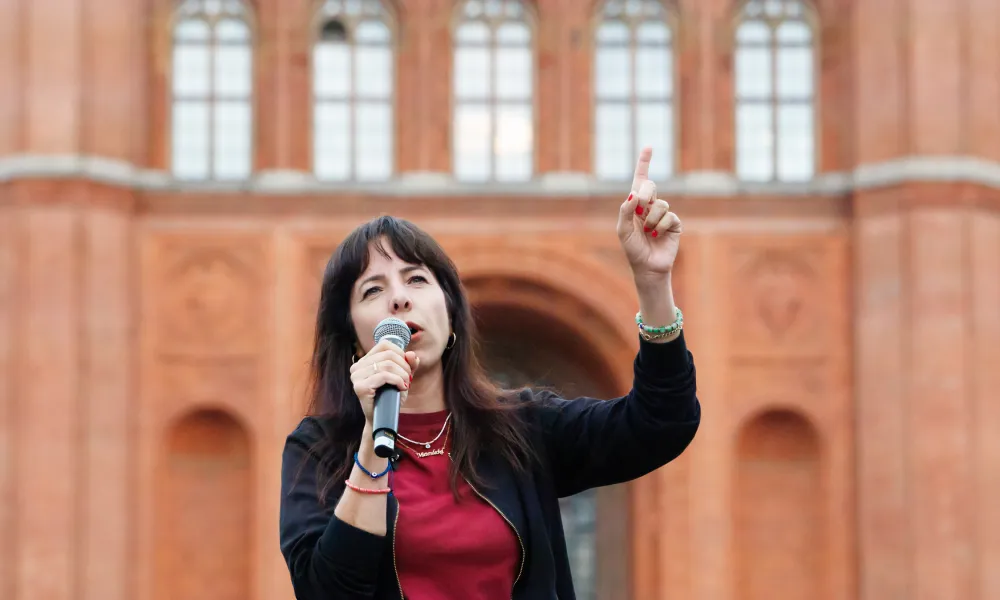

Strong and determined was the tone of the community leader of Arsos, Giannakis Giannaki, speaking at a press conference on the issue of Trozena. The conference, called by the Arsos community council, was held in the presence of the investor, who did not sit on the panel, which included community leaders from the area.
Giannaki delivered sharp criticism of state services, particularly the Department of Environment, regarding the way they have handled the investment in Trozena so far, while he also criticised Parliament and successive governments for their responsibilities in the abandonment of the village. He argued that the Trozena case is a “classic example of neglect” of rural areas by the state, noting that the area remained for decades without substantial infrastructure or development prospects. As he said, the community council supports any lawful development that can bring life back to the area and create jobs for Arsos and neighbouring villages.
According to him, around ten families from Arsos are already working in Trozena, while with the completion of the development it is estimated that more than 50 jobs will be created. “It will help enormously to bring us out of isolation and generate economic activity,” he said.
He also made particular reference to the reactions, attributing part of them to pre‑election motives and to misinformation circulating on social media.
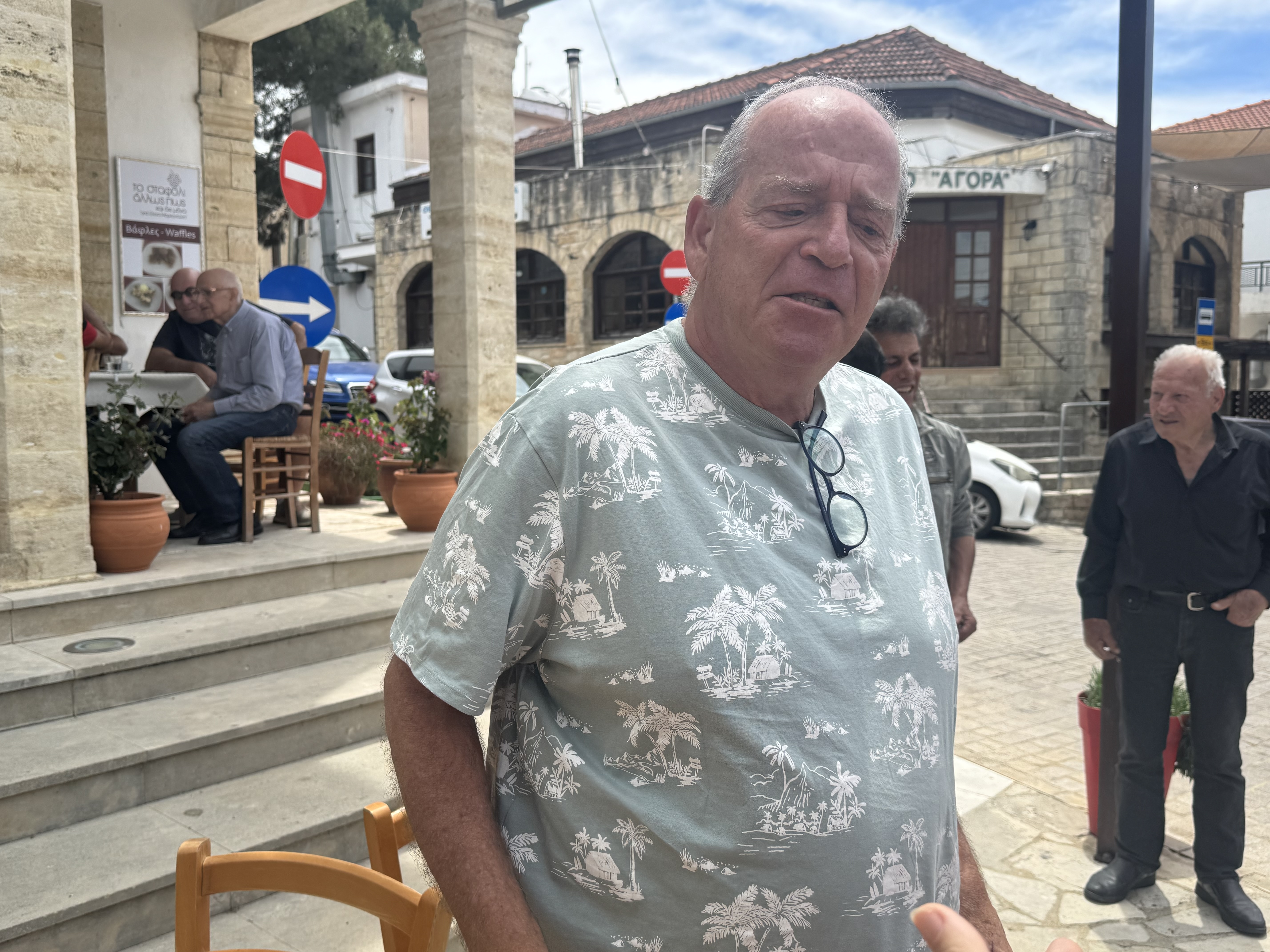
Giannaki also revealed that part of the church parking area belongs to the investor, who agreed to make it available free of charge for use by the community and the public. At the same time, he criticised state services, questioning how a road paved by the state could be considered unregistered, creating obstacles for licensing.
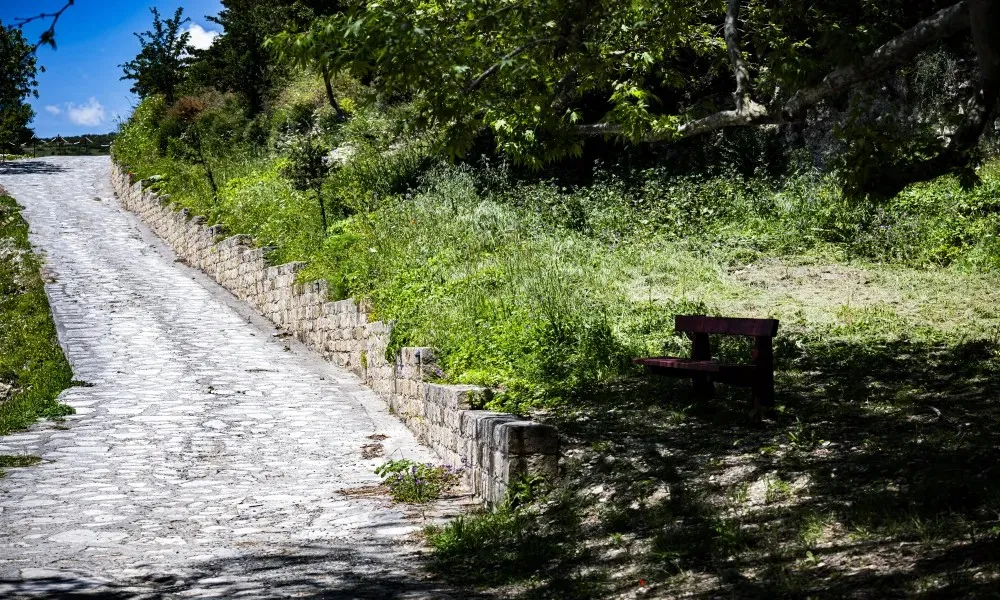
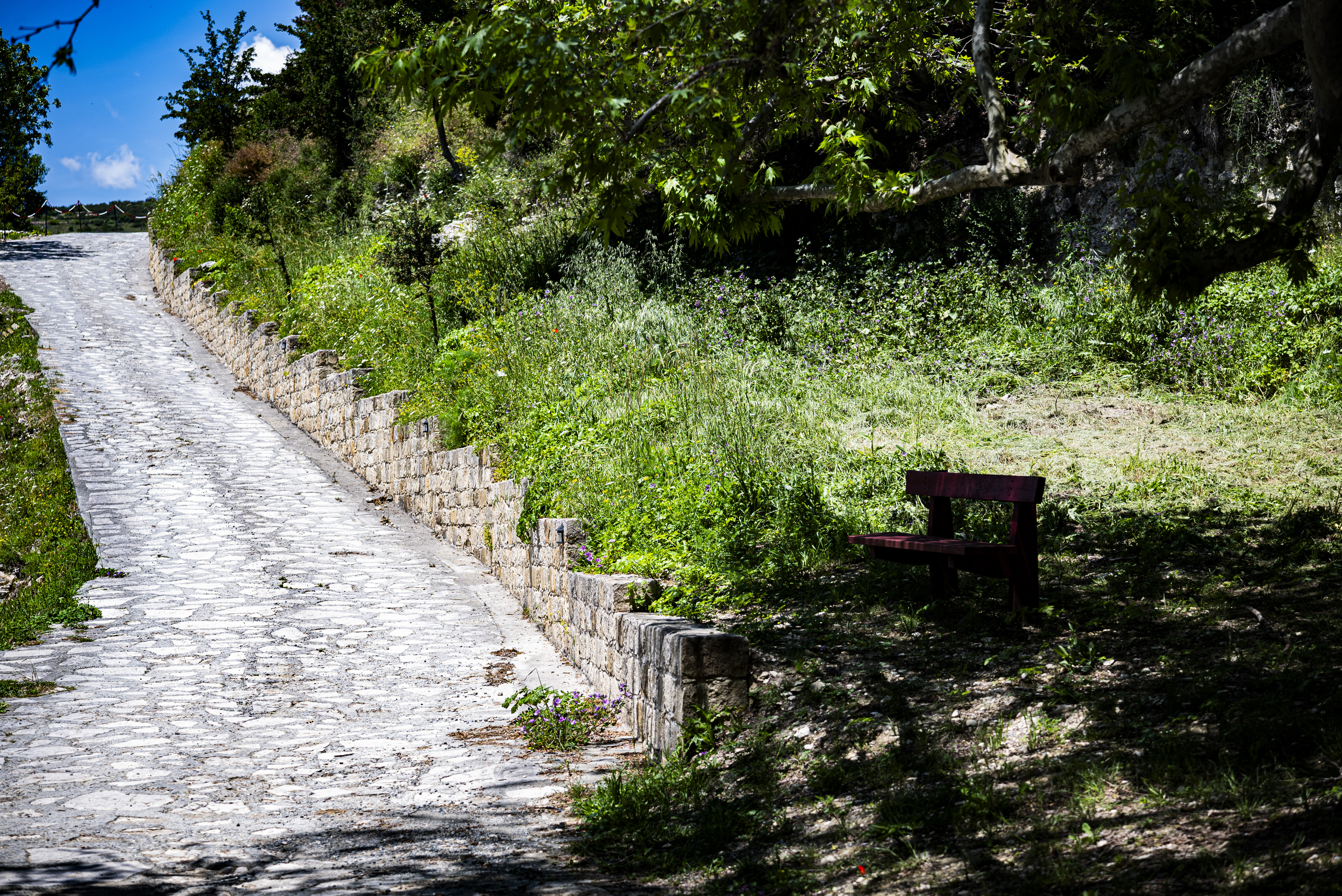
Asked about the works, which according to reports and statements by authorities have begun without the required permits, the community leader replied that community councils are not responsible for determining urban planning or environmental violations. He said this is the responsibility of the District Local Government Organisation and the Department of Environment. He added, however, that based on what he sees on the ground, “there is no evidence of environmental violations”, claiming that Trozena has been cleaned and aesthetically upgraded, transformed from an abandoned dumping site into a space with plants, dry‑stone walls, benches and kiosks. “If there have been violations and they can be corrected, the competent departments should intervene and restore the truth,” he noted.
Responding to allegations of restricted access to Trozena, the community leader was categorical. “We will not allow anyone to prohibit entry to a village of the Republic of Cyprus. If something like this is happening, immediate measures will be taken,” he said.
At the same time, he criticised the Department of Environment over the management of the Natura area, claiming that Trozena is the only village where the entire settlement was included in a protected zone without sufficient consultation with landowners. As he said, development in Natura areas is allowed under certain conditions, and investors must comply with the law, while he cited examples from other areas where, he claimed, developments proceeded without objections.
The community leader also raised the issue of political exploitation of the matter ahead of elections, clarifying that no one has purchased land belonging to Turkish Cypriots.
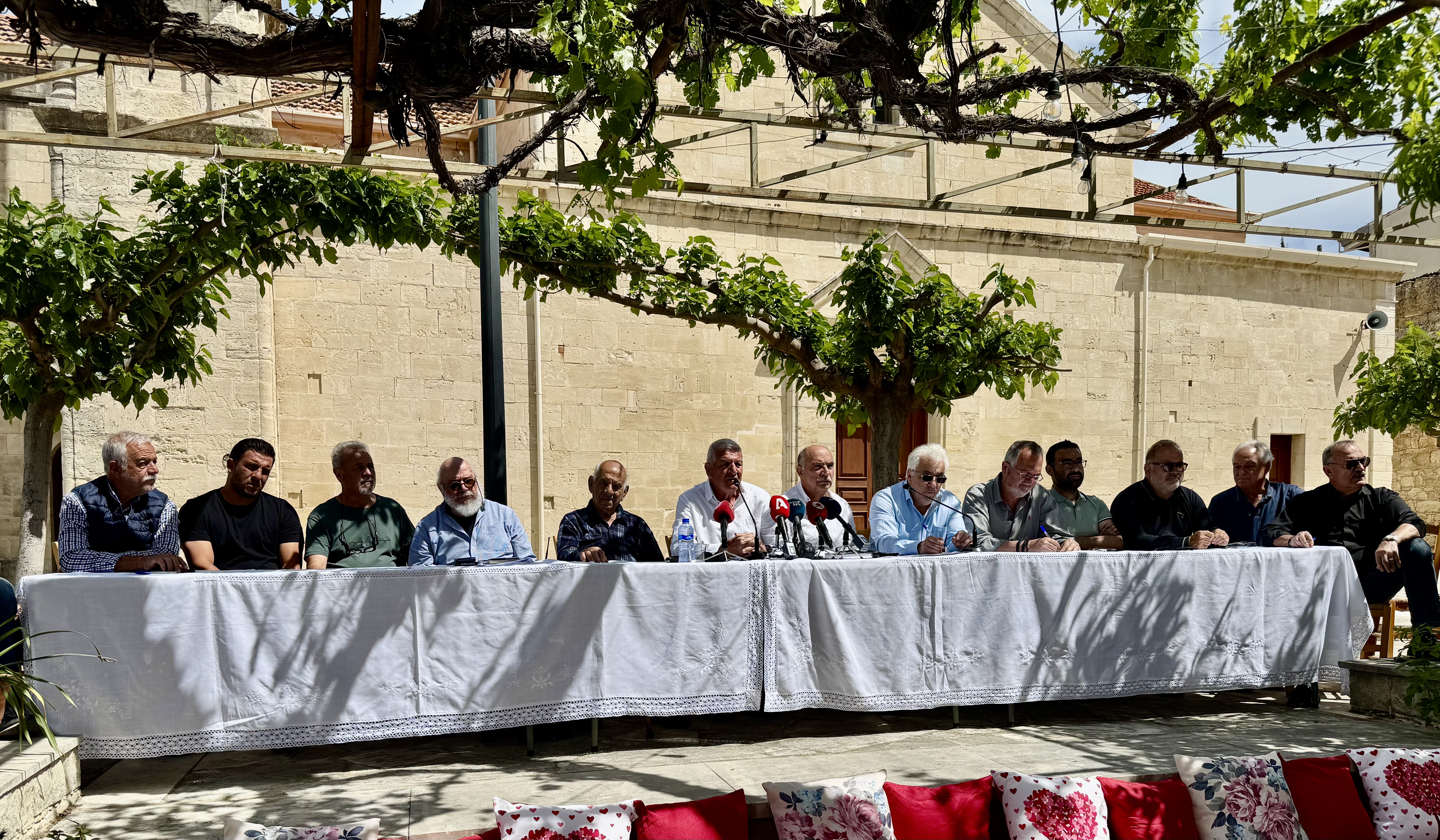
“I waited for more than two years”
For his part, the investor appeared disappointed with the stance of the state services, saying that for more than two years he has not received substantive responses to the applications he has submitted. “I did not come to Cyprus to make money. I am 72 years old, already wealthy, I love this place, its people and the environment, and that is why I chose to live here,” he said.
He admitted that he proceeded with clean‑up works, water infrastructure and other activities in the area before the licensing procedures were completed, but argued that these were mainly actions to restore an abandoned site. As he said, “no one from the state was communicating with me, there was no response”, adding that he submitted a total of 11 applications without any meaningful reply. “I invested my own funds, without loans and without state support. I cleaned the area, brought water and infrastructure because I believed in this place,” he said.
“My dream is to create a beautiful village open to everyone,” he added, noting that he has never requested financial assistance from the state, but only cooperation and communication from the competent authorities.