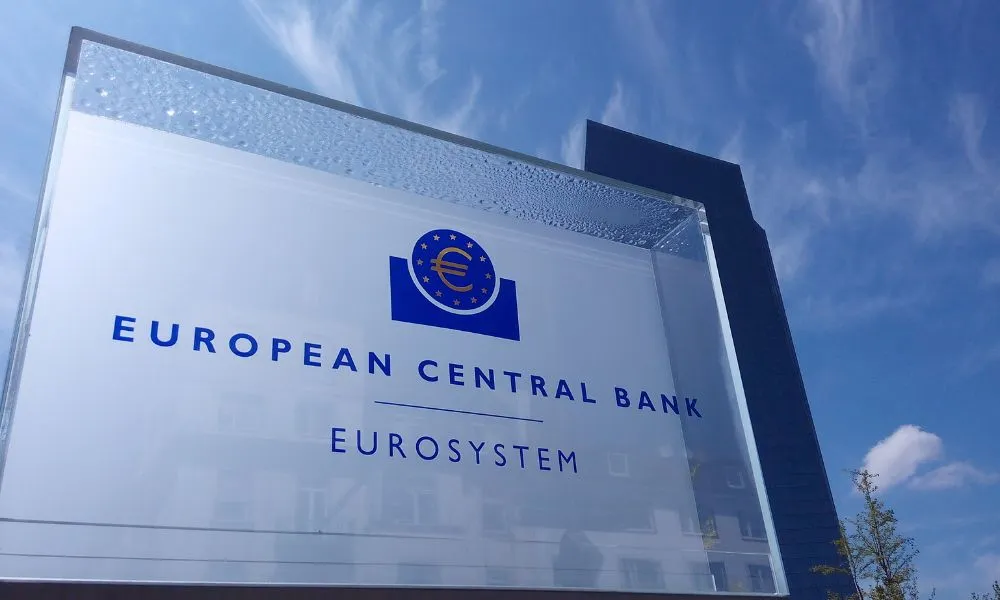

The resurgence of inflationary pressures in the eurozone and the rise in energy prices are bringing back into focus the possibility of a new cycle of interest rate increases by the European Central Bank (ECB), with markets and leading analysts already pricing in a move as early as June.
At the beginning of last week, Central Bank governor Christodoulos Patsalides said that a rate hike has now become more likely, although he does not see the start of a prolonged tightening cycle as a given.
Discussion within the ECB is shifting towards a more hawkish stance, as inflation remaining above the 2% target raises concerns about secondary effects on the economy. According to international financial media reports, mainly Reuters, most economists now consider a first rate increase at the June meeting highly likely, while a second move within the year is not ruled out.
In a recent Reuters survey, around 85% of analysts forecast a 25‑basis‑point increase, as inflation is strengthening under the weight of higher energy costs and geopolitical uncertainty.
Concerns are further fuelled by ECB data showing upward revisions to inflation forecasts for the eurozone. The central bank’s projections indicate inflation will remain higher than previously expected, mainly due to rising energy costs, while consumers’ expectations of future price increases have also intensified.
In this environment, more and more ECB officials appear open to a return to restrictive monetary policy. Bundesbank chief Joachim Nagel has said that a rate increase in June is a “real option” if inflationary pressures do not ease. ECB chief economist Philip Lane warned that the energy shock may require a 'persistent' monetary response to prevent high inflation from becoming entrenched.
The governor of the Central Bank of Cyprus has taken a more cautious stance. In remarks, he said the probability of a rate increase in June has risen significantly, but stressed that any decision will remain strictly data‑dependent and should not be interpreted as the start of an aggressive tightening cycle. As he noted, the ECB will carefully balance the risk of persistent inflation against growing signs of a slowdown in eurozone economic activity.
For households and businesses, a new upward path for interest rates could mean more expensive borrowing and higher servicing costs for existing loans, particularly in countries such as Cyprus where a large share of mortgages and business loans remain linked to variable rates.
The ECB faces the challenge of curbing inflation without pushing the European economy into a deeper slowdown. In its latest macroeconomic projections, the ECB revised eurozone growth down to 0.9% for 2026, warning that higher energy costs and uncertainty are limiting purchasing power and consumption. At the same time, inflation is expected to remain above target, at around 2.6% to 3% in the short term, before easing.