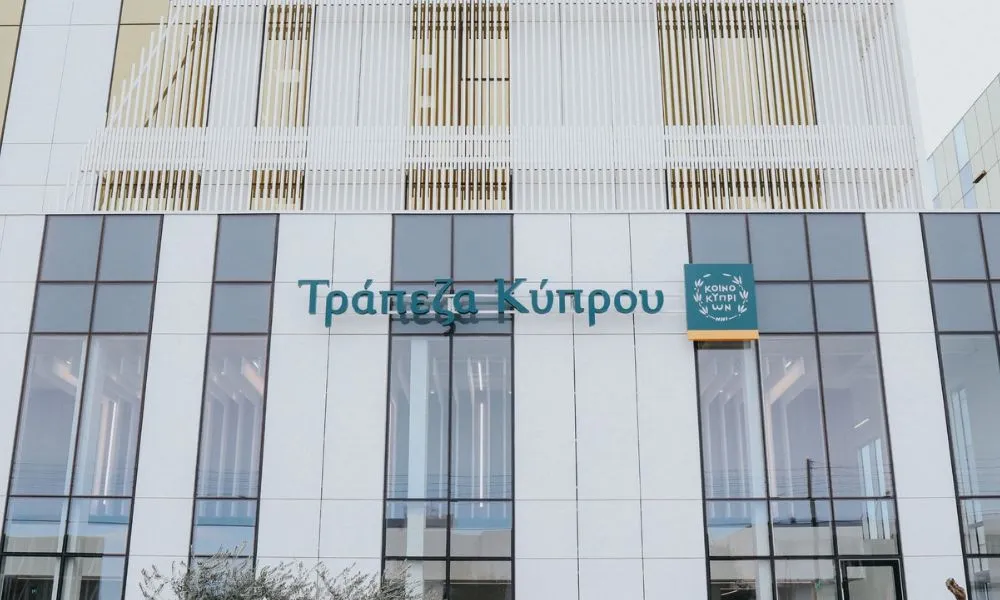

The annual general meeting of the Bank of Cyprus on Friday approved the distribution of a final dividend of €0.50 per share for the 2025 financial year. The total dividend amounts to €0.70, as an interim dividend of €0.20 had already been approved in October.
The bank’s dividend policy was at the centre of the meeting, with management reiterating its commitment to higher returns for shareholders in the coming years. Chief executive Panicos Nicolaou described 2025 as another strong year for the group, stressing that the bank’s strategy is based on sustainable profitability, strengthening its digital presence and maintaining high distributions.
He noted that the bank aims, under certain conditions, for total distributions to shareholders to reach up to 90% in 2026 and up to 100% in 2027 and 2028.
Nicolaou also placed particular emphasis on digital transformation, noting that the bank continues to invest in technology and artificial intelligence, while describing the Bank of Cyprus as the country’s “leading digital bank.”
He also referred to geopolitical developments in the Middle East, warning that uncertainty could affect the European economy and Cyprus, particularly through a possible slowdown in tourism and an increase in energy costs. However, he stressed that the Cypriot economy has shown resilience in the face of external crises.
The board
Following the meeting, the new board of directors was formed, with Takis Arapoglou re‑elected as chairman and Georgios Syrixas as vice chairman. Adrian Lewis was reappointed as senior independent director, while Elisabet Pinilla Güell joined the board, subject to approval by the European Central Bank.
The 11‑member board consists of Takis Arapoglou (chairman), Georgios Syrixas (vice chairman), Adrian Lewis, Lyn Grobler, Monique Hemerijck, Christian Hansmeyer, Stuart Birrell, Eirini Psalti, Andreas Kritiotis, Panicos Nicolaou and Eliza Leivaditou.
The new structure is accompanied by a reshuffle of group committees, with emphasis on risk management, corporate governance and digital transformation. Chairman Takis Arapoglou noted that international geopolitical tensions increase risks for the global economy and the banking system, stressing the need for stability, prudent management and a long‑term strategy.