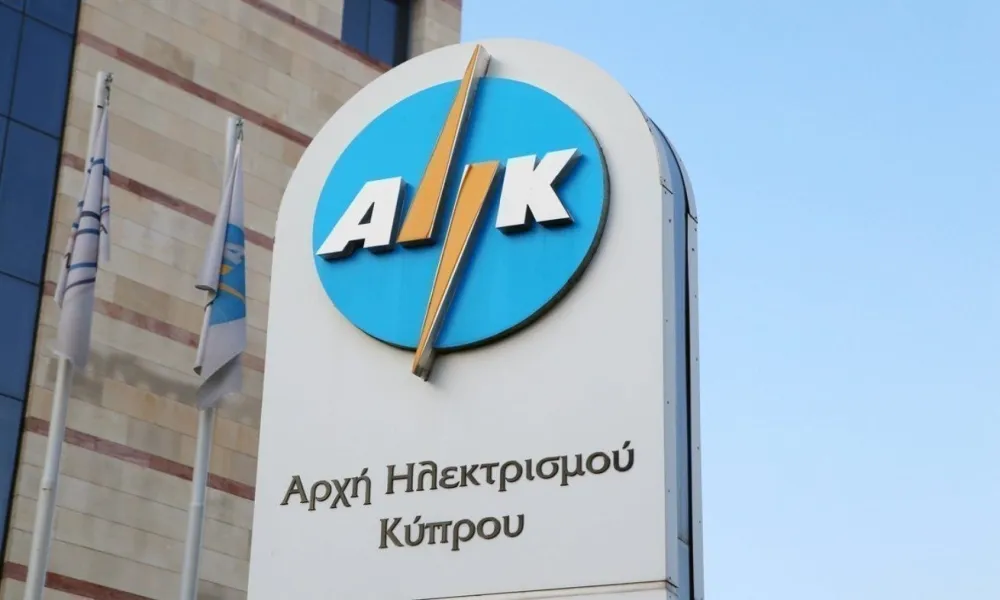

Trade unions active within the Electricity Authority of Cyprus have voiced strong concern over Energy Ministry policies on compensation for surplus electricity produced by solar panels, warning that the measures could burden the organisation financially and lead to higher electricity prices for consumers.
In a joint statement, EPOPAI, SIDIKYK, SEPAIK and SYVAIK said the issue had also been examined by the outgoing House of Representatives. They noted that President Nikos Christodoulides had referred back related legislation, arguing that it was not constitutionally possible to proceed with compensation payments.
The unions said that, despite the referral, the Energy Minister “imposed on EAC Supply” the obligation to compensate surplus solar power, questioning whether the same constitutional concerns also apply in the case of the EAC.
According to the statement, none of the relevant schemes had provided for solar panel systems to be oversized beyond the needs of each property in order to generate surplus electricity for compensation. The unions also said a previous ministry provision for compensation was eventually deemed “excessive and wrong”, as it created an additional burden for consumers who do not have solar panels.
The organisations warned that EAC Supply, which they described as a service that “does not make profits”, would be forced to pass the cost on to other consumers “so that it does not go bankrupt”. This, they said, would result in higher electricity prices for the majority of citizens who were not able to install solar panels.
The unions also raised questions over the progress of the “Solar Panels for All” scheme and an EAC proposal for shared solar installations with energy storage. They argued that the ministry was instead focusing on boosting the income of those who have already invested in solar panels or commercial solar parks.
They further accused the ministry of forcing the EAC to invest “huge, non-recoverable amounts” in the arrival of natural gas and the electricity interconnection, which they said remain inactive. They also claimed there had been repeated interventions that deprived the EAC of the ability to recover reasonable expenses.
According to the unions, the EAC is being driven towards “financial suffocation”, while they also expressed concern over possible changes to the authority’s structures. They referred to attempts to promote “alchemy” which, they said, private interests are putting forward and ultimately imposing.
The organisations said they would return to the issue after the completion of the democratic procedures currently under way ahead of the parliamentary elections.