


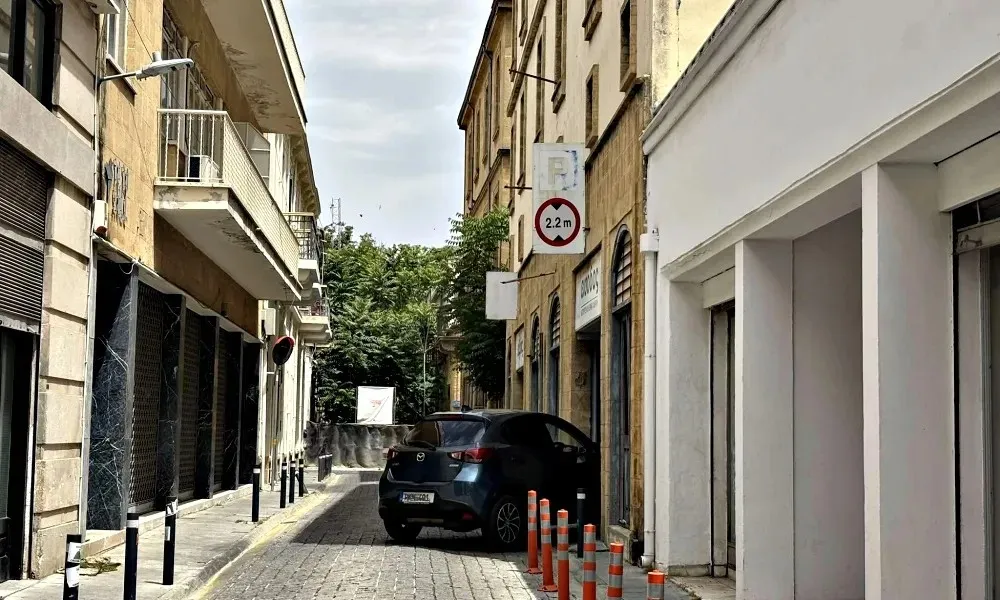
Another small but critical piece in the puzzle of Nicosia’s redevelopment is moving into implementation. This time, the focus is on a space that thousands of drivers use almost automatically, but which in practice serves as a key gateway to the walled city: the Ledras–Ariadne multi‑storey parking facility.
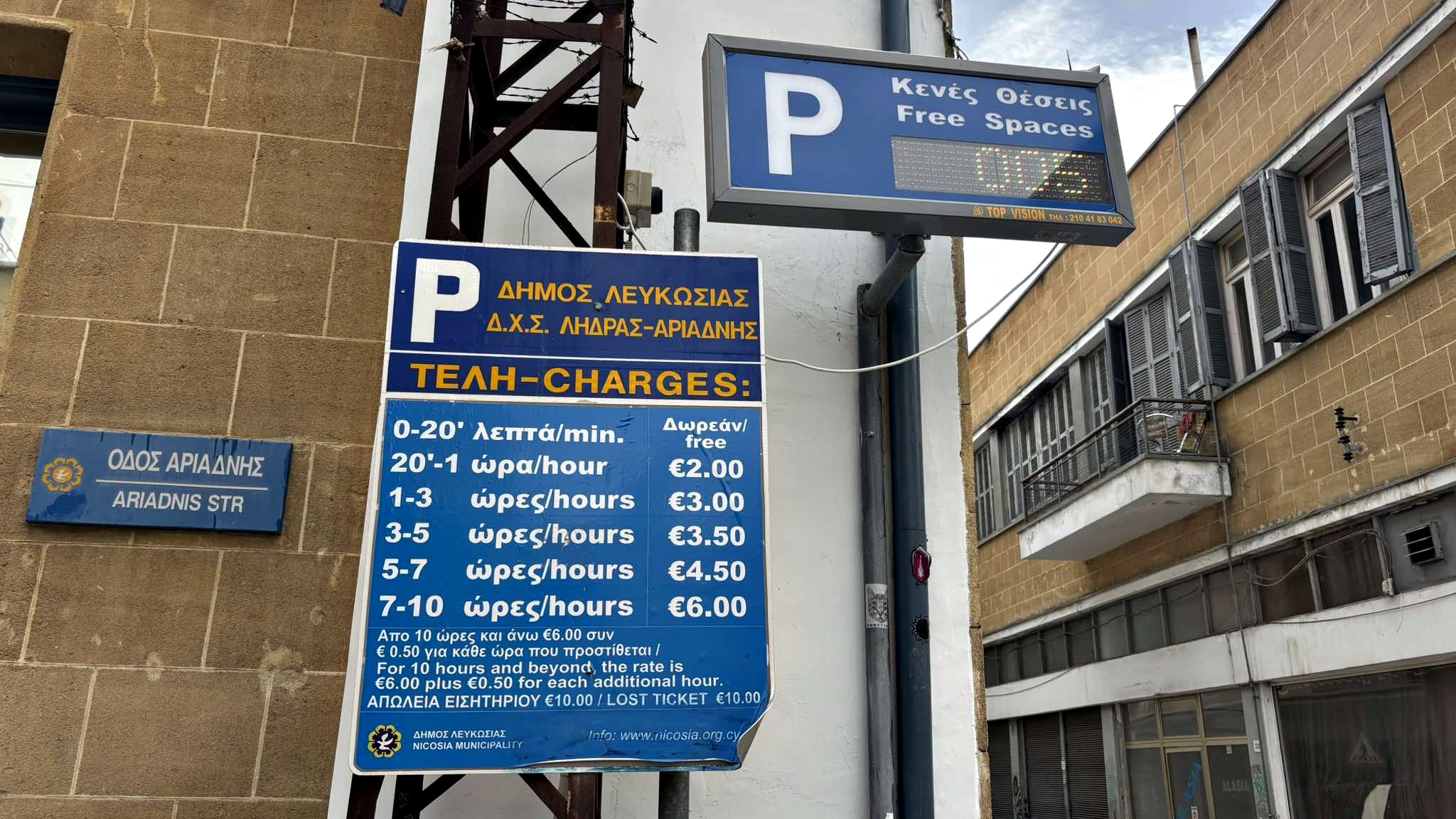
The Municipality of Nicosia has signed contracts for the full internal upgrade of the facility, in a project that aims to strengthen the broader effort to revitalise the historic centre, with emphasis on accessibility, functionality and improving the everyday experience for residents and visitors.
The contracts were signed by Nicosia mayor Charalambos Prountzos and Maria Roushia on behalf of C. Roushas Trading & Development Ltd.
This intervention concerns infrastructure that functions as a central hub for the commercial and historic heart of the capital, particularly for those who choose to reach Ledras Street, Onasagorou and, more broadly, the old city by car.
The facility has a total of 158 parking spaces, nine of which are specially designed for persons with disabilities. The upgrade covers all interior areas across the building’s seven levels — two underground levels, the ground floor and three above‑ground floors.
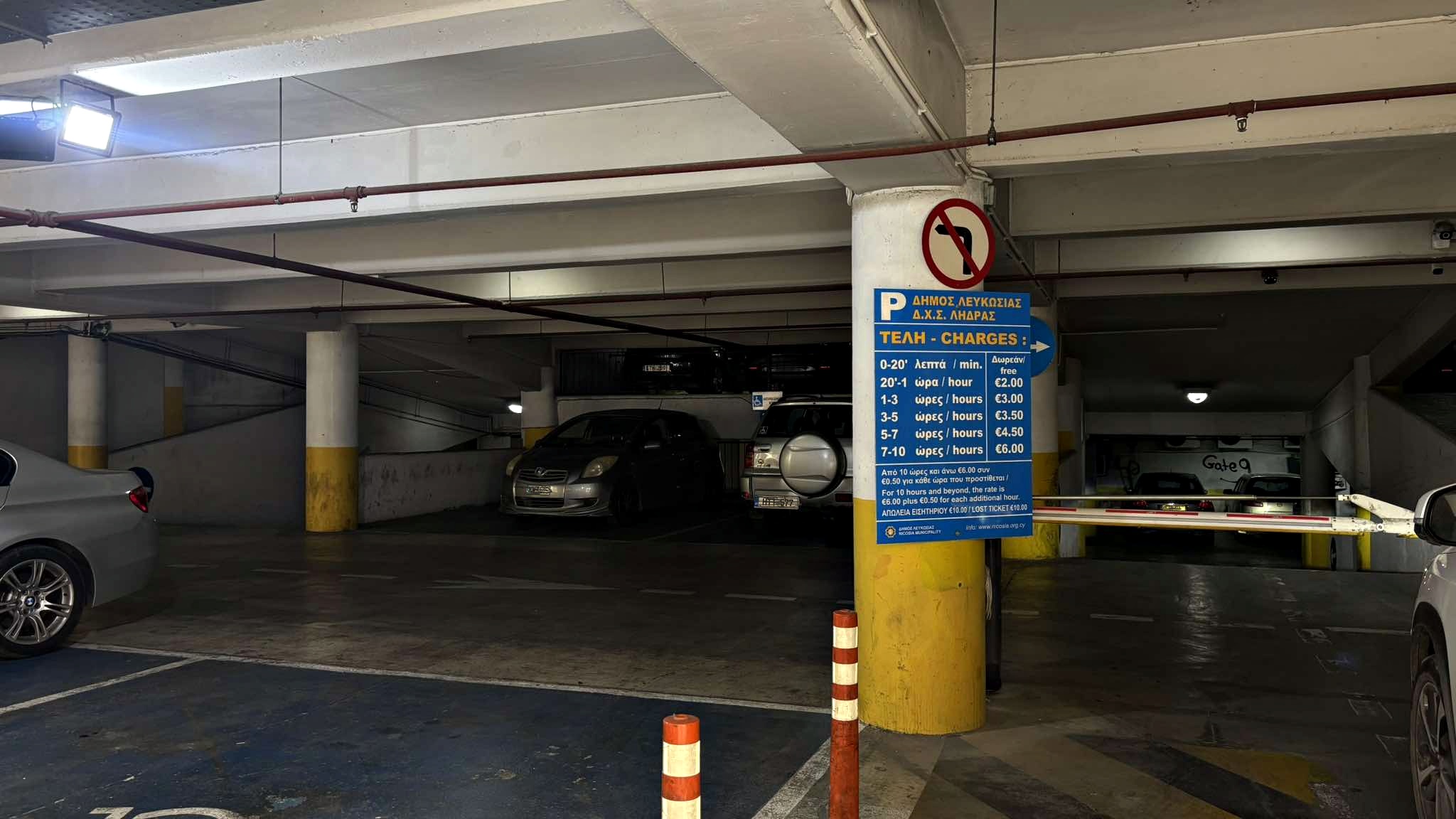
The interventions are extensive: a new lighting system, a new ventilation system, a modern fire‑safety system, installation of photovoltaic panels, a parking guidance and management system to better direct drivers, renovation of sanitary facilities, interior repainting, industrial flooring and new signage.
In simple terms, a space that today resembles an outdated urban facility is being transformed into a more modern, functional and user‑friendly service point.
Phased works to keep the centre functioning
One of the key challenges in such projects is maintaining functionality during construction. The municipality aims to minimise disruption by keeping the facility partially open throughout the works.
The project is expected to last ten months and will be carried out in three phases. At each stage, three floors will be closed for works, while the remaining levels will continue operating on a rotating basis. Only in the final phase will the ground floor be fully closed for about six weeks to complete the last works.
This approach is not coincidental. The specific car park serves as a critical access point for the walled city, and a prolonged full closure would create significant pressure on the already demanding traffic conditions in the centre.
“To meet the needs of a new era”
According to the municipality, the upgrade of the Ledras–Ariadne car park is part of a broader effort to improve access to the walled city, at a time when Nicosia is gradually redefining the relationship between residents, visitors and its historic centre.
As mayor Charalambos Prountzos told Politis, “this intervention is not simply about renovating a parking facility but forms part of a wider strategy for a more functional, more accessible and more modern Nicosia. The walled city needs infrastructure that meets today’s needs of citizens and visitors, so that access and service do not act as deterrents to visitation and commercial activity in the centre.”
A city shaped by incremental change
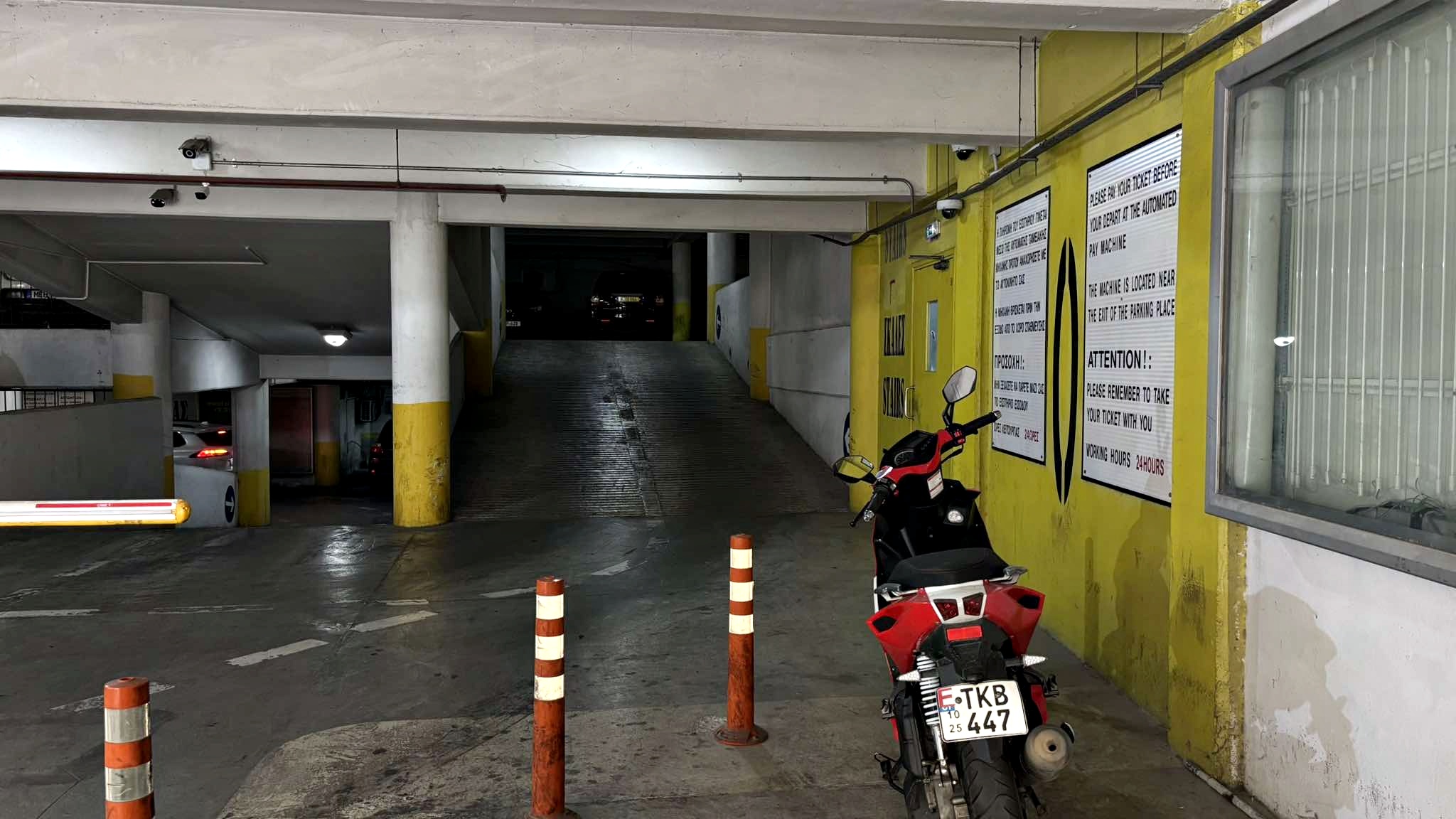
The upgrade of the Ledras–Ariadne facility is part of a broader philosophy of urban interventions that are gradually reshaping Nicosia, not necessarily through a single landmark mega‑project, but through successive improvements in infrastructure that affect everyday life.
For the walled city in particular, the discussion is not limited to aesthetics or historical identity, but also to basic functionality: how people get there, how they move, how they are served, and how easy or difficult the overall experience is.