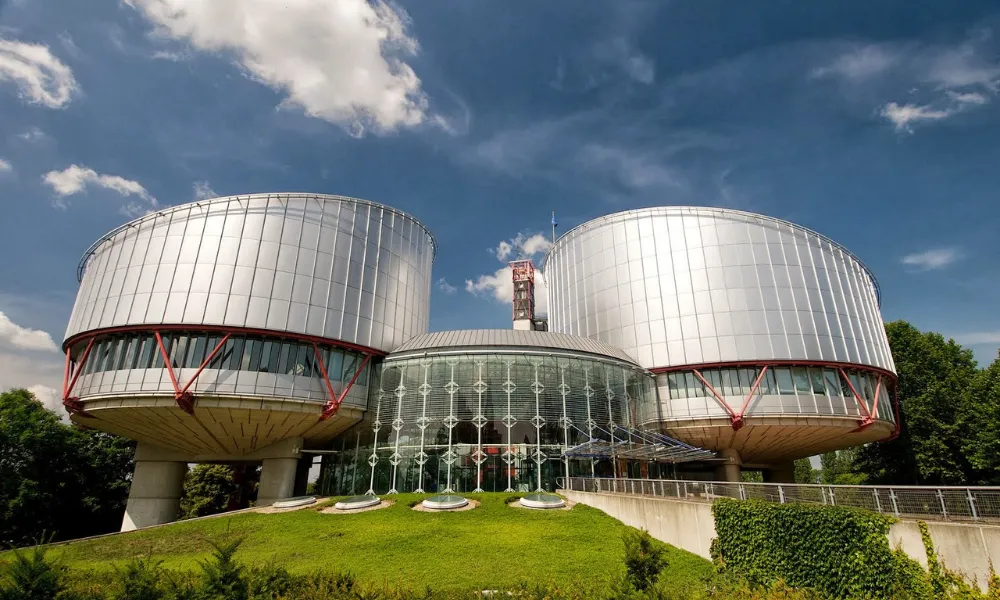

Insults, vulgar descriptions and personal attacks driven by hostility cannot invoke the right to freedom of expression to escape punishment, the European Court of Human Rights (ECHR) in Strasbourg ruled in a landmark decision. The court dismissed an appeal lodged by a delivery driver and activist from Georgia who had been fined by domestic authorities over the explicit content of a video he uploaded to TikTok.
The European judges fully upheld the rulings of the Georgian courts, which had ordered Irakli Miladze to pay a financial fine of 180 euros. The legal action stemmed from a video posted by the activist in December 2022, which rapidly went viral and surpassed 100,000 views.
Political criticism versus hostile defamation
In the controversial footage, Miladze heavily criticised the new public transport policy implemented in Tbilisi, the capital of Georgia, while alleging unlawful practices and irregularities by public officials. However, the activist targeted the city mayor and his police team personally, repeatedly utilizing a Georgian expression that translates directly to "disgusting scumbags".
The ECHR determined that the Georgian judiciary correctly distinguished intense political criticism from hostile personal defamation. The Strasbourg court underlined that the use of aggressive and vulgar language is not protected under the European Convention on Human Rights and cannot be equated with legitimate political or social satire.
Proportionality of the penalty
The European judges noted that although Miladze had placed a warning at the beginning of his broadcast informing viewers that he would use inappropriate language, this did not constitute an adequate measure to restrict access to minors or prevent them from being exposed to the material.
Furthermore, the ECHR justified its endorsement of the domestic ruling by pointing out the lenient nature of the penalty. Miladze was handed the minimum fine prescribed by law, while authorities did not order the removal of the video or restrict his access to social media platforms. The court concluded that Miladze has continued to express fierce criticism of the authorities via his accounts without facing censorship, proving his freedom of speech was not silenced but merely subjected to necessary boundaries against slander.