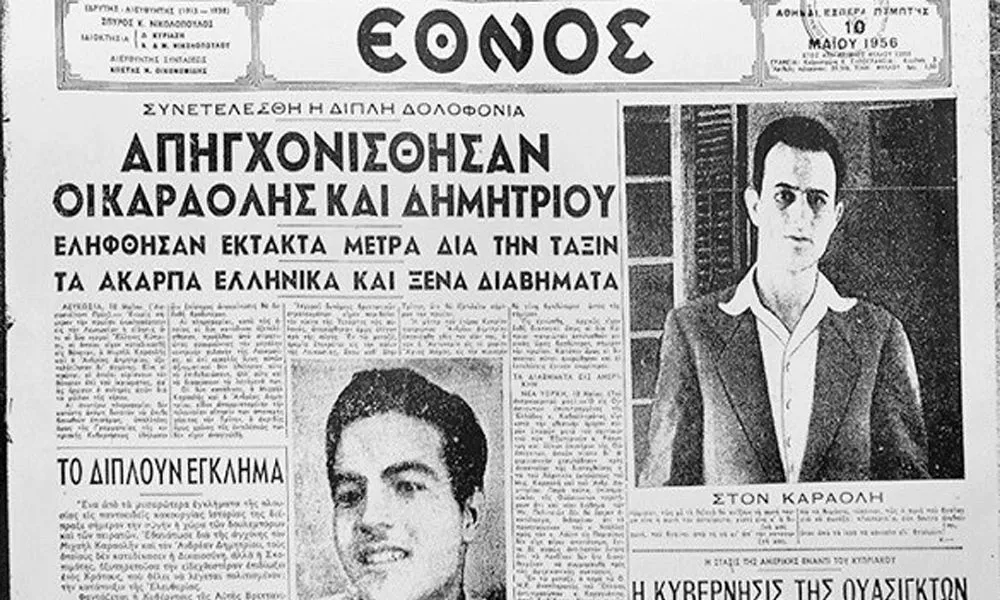

Michalakis Karaolis and Andreas Demetriou were the first fighters of the Cypriot struggle against British rule to be sentenced to death and executed by the British authorities at Nicosia Central Prison on 10 May 1956.
Michalakis Karaolis
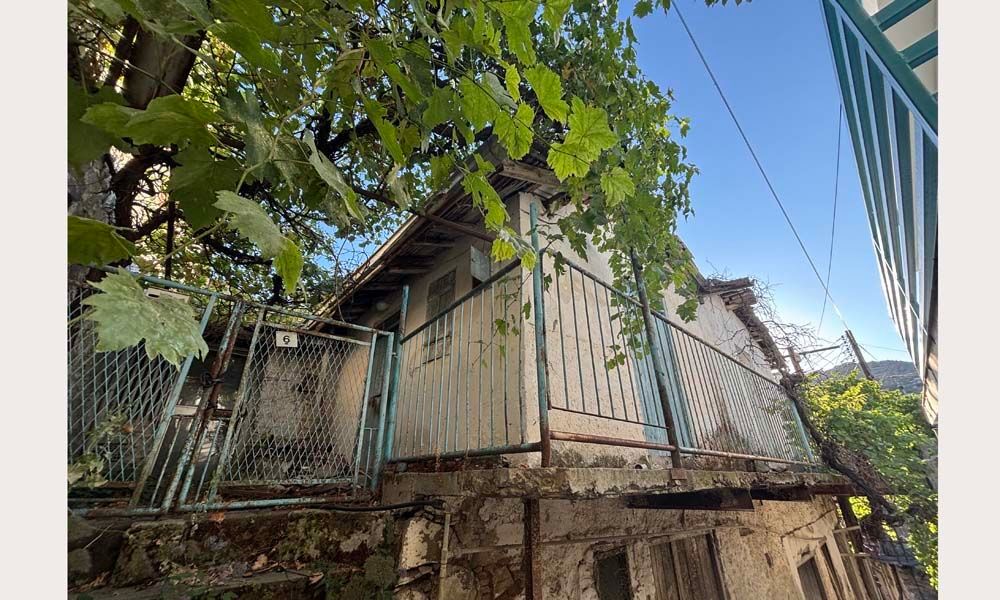
Karaolis was born in Palaichori on 13 February 1934, where he spent his childhood until completing primary school. He then moved to Nicosia, where he attended the English School. He was subsequently employed in the civil service and worked at the Inland Revenue Department.
He was among the first to join the National Organisation of Cypriot Fighters (EOKA) and became part of a combat group operating in the capital. As a member of EOKA, he took part mainly in sabotage operations, including planting a time bomb himself at the government building where he worked, near the Secretariat in Nicosia.
He was arrested by the British police on 3 September 1955 near Lefkoniko and charged with the murder of Greek Cypriot policeman Herodotos Poullis. Poullis had been executed on 28 August 1955 on Ledra Street in Nicosia because he was collaborating with the British authorities. He had not, however, been executed by Karaolis but by another EOKA member.
Because Karaolis believed he could be implicated, he hurried to go into hiding. The execution of Poullis took place on a Sunday. On Monday, Karaolis did not report to work. When he was arrested on 3 September 1955, in fields between Lefkoniko and Jiaos, he was travelling to meet Grigoris Afxentiou in the Pentadaktylos mountains, whose guerrilla group he was about to join.
A note from the organisation was found on him, stating: “Zidros, I am sending you the bearer of this note and you must look after him carefully. He is a good lad and a patriot to the point of self‑sacrifice, and you can trust him. No one must learn his identity.” Zidros was a nom de guerre used by Grigoris Afxentiou.
Karaolis’ trial began in Nicosia on 24 October 1955 and attracted considerable interest. It is worth noting that among his lawyers was Glafcos Clerides, while the prosecution was represented by Rauf Denktaş, then acting attorney general. The trial ended on the afternoon of 28 October 1955, when the British chief justice of Cyprus, Sir Eric Hallinan, announced that the court had found him guilty and sentenced him to death.
In November of the same year, Karaolis’ appeal was examined by the Court of Appeal and rejected.
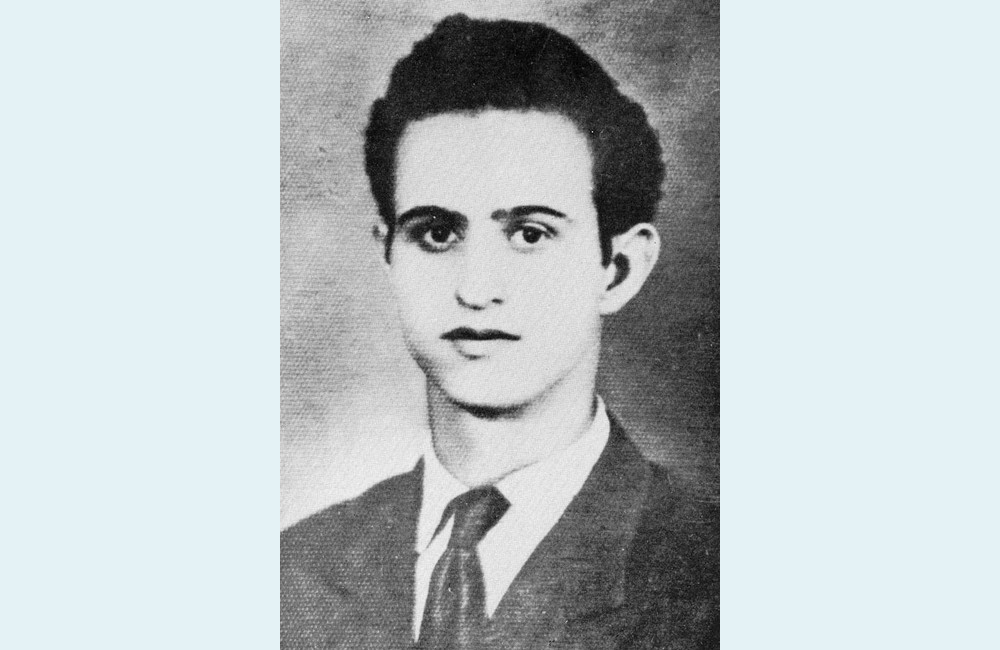
The death sentence sparked mass demonstrations and protests throughout Cyprus, Greece and various other countries. Numerous appeals from around the world, including from leading intellectual figures, for clemency for the young Cypriot condemned man had no effect. Michalakis Karaolis was ultimately executed by hanging on 10 May 1956, at just 22 years of age.
It appears – as Karaolis himself denounced in a letter from prison after his death sentence – that the British presented false witnesses in court, two of whom testified that they had seen him holding a pistol and firing three shots, in order to secure his conviction, despite knowing he had no involvement in the murder.
Karaolis stated that during interrogation the British threatened him that if he did not reveal his fellow fighters, they would turn the charges for Poullis’ murder against him, as ultimately happened.
During his detention in the death‑row wing, next to the gallows chamber at Nicosia Central Prison, he was tortured by British soldiers, like all other condemned prisoners.
Andreas Demetriou
Andreas Demetriou was born in the village of Agios Mamas in Limassol district on 18 September 1934. During the struggle, he worked as an employee at Famagusta customs. He joined EOKA at the outset of the campaign.
One of the operations in which he played a leading role was the seizure of weapons from the military warehouses at Famagusta port, where he worked, in early December 1955, immediately after their unloading and before they were transported and stored. The weapons were forwarded to various guerrilla groups, which until then had been equipped almost exclusively with hunting rifles. The operation was completely successful and significantly strengthened EOKA.
He was sentenced to death by a British court on 30 January 1956 after being found guilty of shooting and wounding the British national Sidney Taylor in Famagusta.
Demetriou was executed together with Michalakis Karaolis. Both were buried in a small inner courtyard of Nicosia Central Prison, in the area where other heroes of the struggle were also buried by the British, known as the “Imprisoned Graves”.
Their burial at the prison was carried out to prevent anti‑British demonstrations by the public that would have gathered for a public funeral and burial.
During the period when Andreas Demetriou was held in strict isolation in a death‑row cell, next to that of Michalakis Karaolis, he suffered greatly because British guards constantly created deafening noise, day and night, preventing him from sleeping, as they sought to break his nerves.
Repeated written requests by Demetriou to the British prison director, Irons, for more humane treatment of a condemned prisoner had no effect. The brutal behaviour of the British soldiers led him to write to the prison director:
“… I assure you that I wish for the day of my execution to be hastened, because if I am to endure one more night of such barbaric harassment, which makes me see the gallows as a saviour that rescues the victim from the claws of his executioner, then I do not know myself what will become of me.”