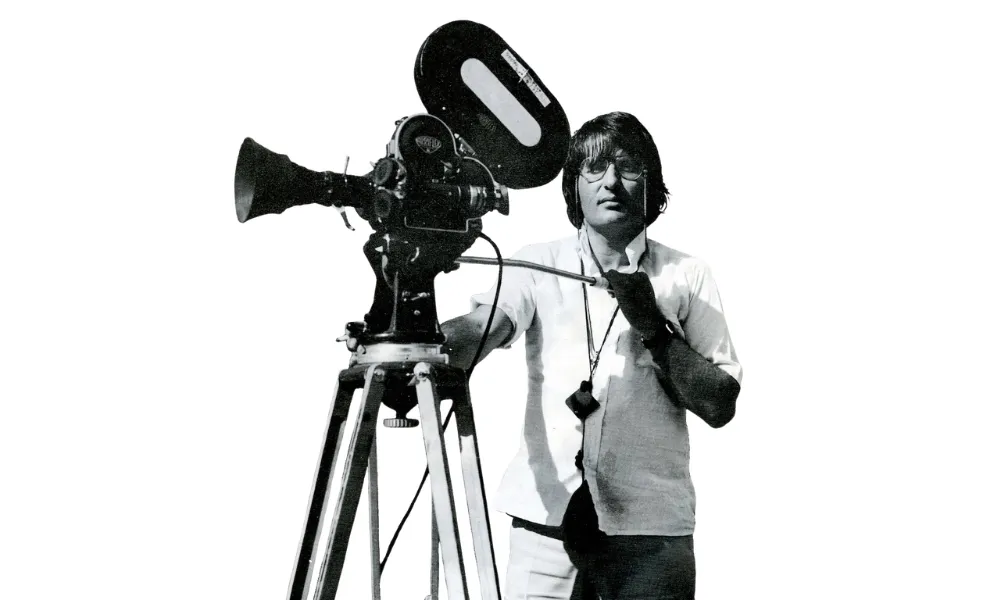

In November 1974, Doros Partasides, then a cameraman, set out for London on what was meant to be a short break from Cyprus. More than half a century on, that journey has become a lifetime, and the photographs he took of the island’s human drama that year now form part of its historical record. Ahead of the publication of his new English-language book, Cyprus Through My Lens, he spoke to Politis to the Point about his archive, his books and the place of Cypriots in British public life.
A photographer, author and advocate for Cyprus abroad
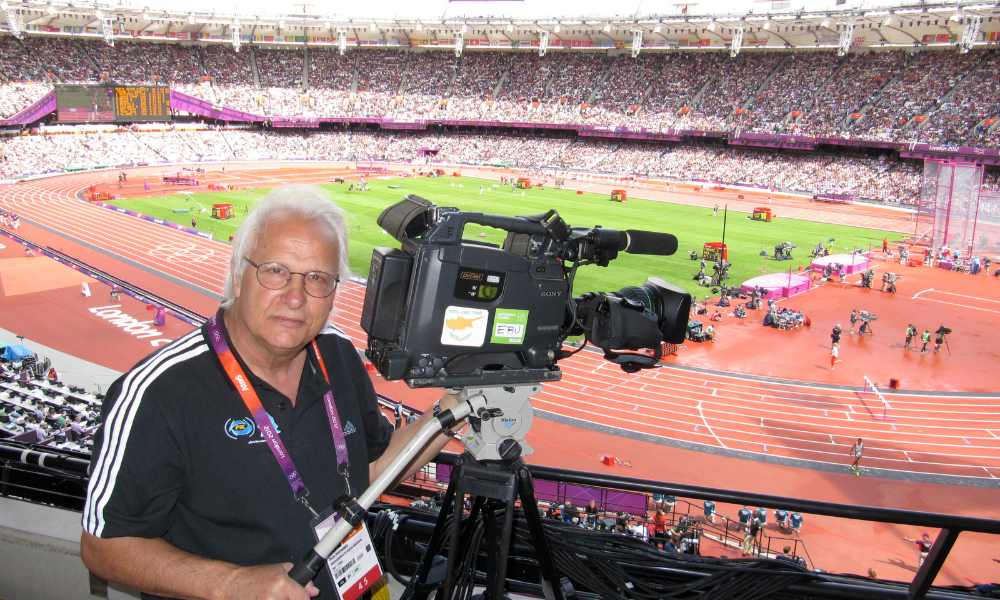
Partasides has spent more than five decades in London working as a photographer, cameraman and author. His work covers the archaeology, landscape, religion, missing people, nicosia airpost, Famagusta, and culture of Cyprus, but he describes his photographs of 1974 as his signature.
Alongside his photography, he has published books including Makarios: The Man, The Bishop, The President and a title on the division of Cyprus. He is also a member of the Foreign Press Association in London.
Throughout his career, he has followed a consistent practice: placing his work where opinions are formed and decisions are made, in public libraries, universities, parliaments and European institutions. For Partasides, documenting Cyprus and speaking for it abroad have always been part of the same task.
Leaving Cyprus in November 1974
Partasides was married to a Cypriot from London. When EOKA B members came to the couple’s home to investigate him, for reasons he says he is still trying to establish, his wife was deeply frightened. They had a young family, and her relatives were all in London.
He took three weeks’ leave from his work as a cameraman so the family could be together.
“The three weeks have not yet ended,” he says. It has now been 52 years.
A photographic record of 1974
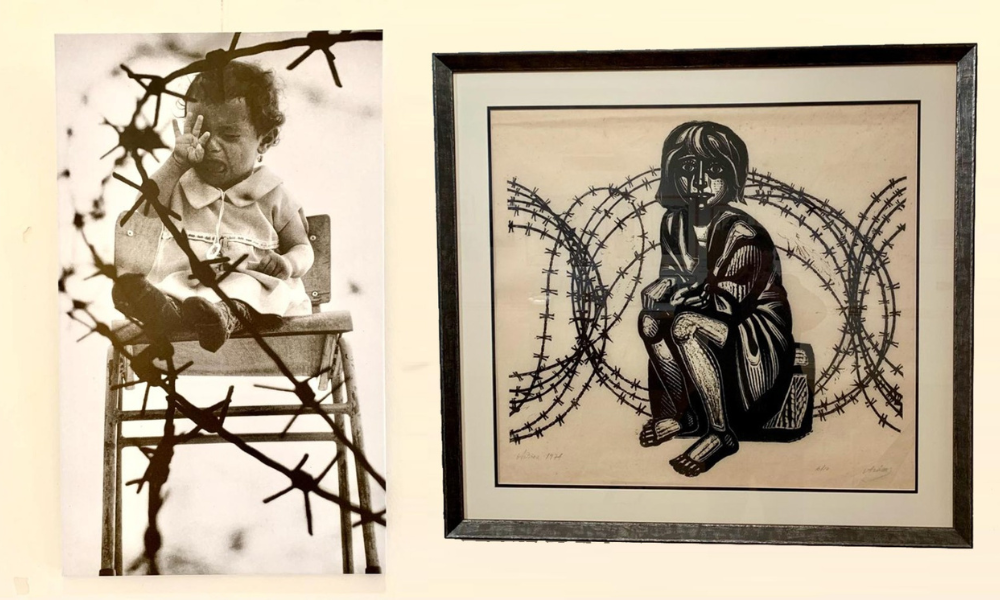
The images Partasides captured in 1974 document the refugees, the island’s religious heritage, the homeless and the green line, and above all the human cost of that year.
He returned to the buffer zone six or seven times, photographing both inside and outside the line in Nicosia running from Paphos Gate to Ermou Street.
Today, he notes, those photographs are regarded as historical. They continue to draw interest from groups in the United States and, mainly, in Britain.
Cyprus Through My Lens: the new book
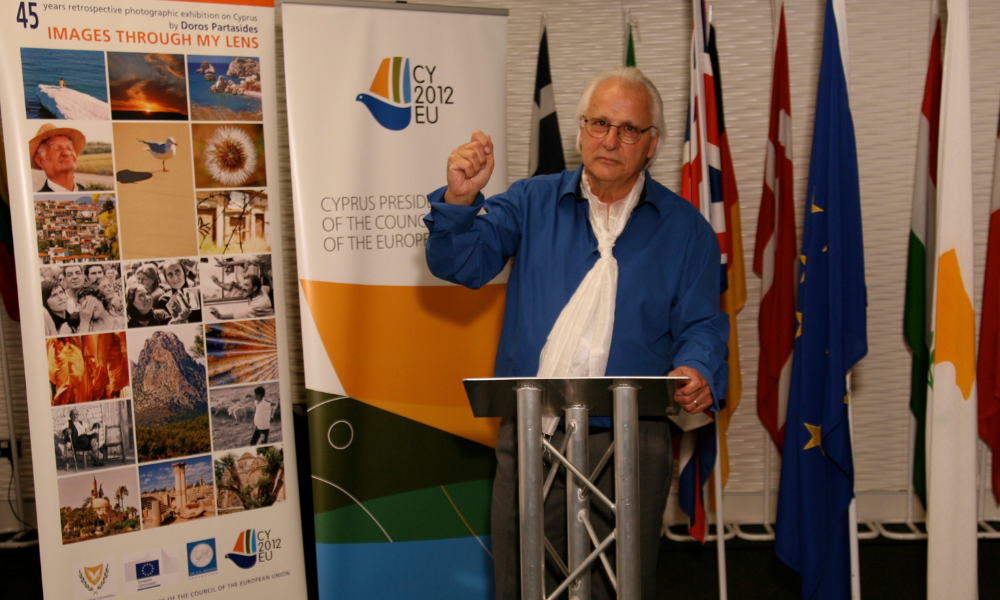
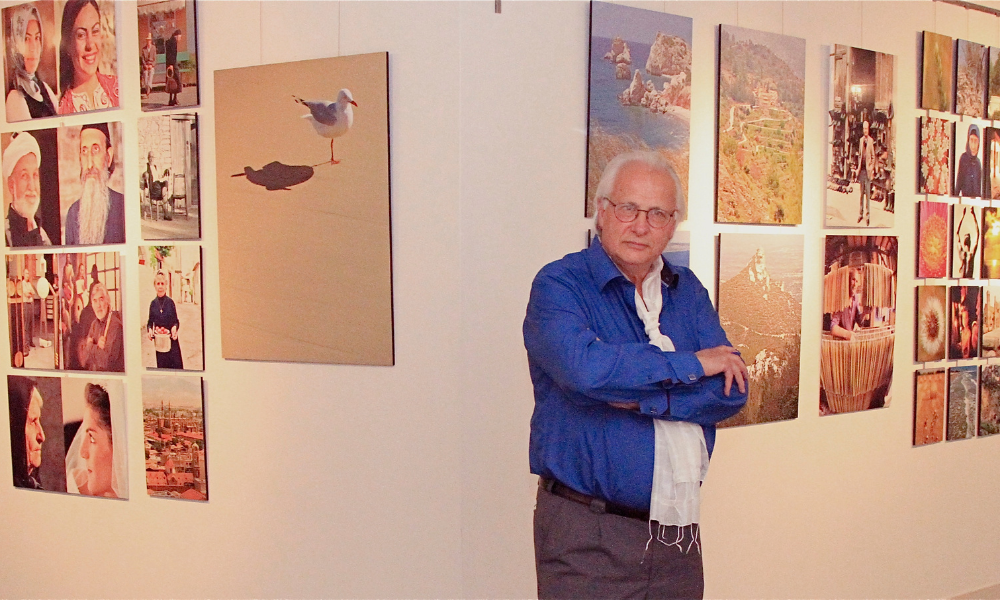
His new book, published in English under the title Doros Partasides: Cyprus Through My Lens, brings together the full range of his work in five sections. It opens with archaeology and culture, moves to the coastline and landscape of Cyprus, continues with people of Cyprus, then religion, and closes with his photographs of 1974.
The book is in its final stages, with completion expected within about a week. Partasides credits his daughter, who has worked closely on the project, as the driving force behind it.
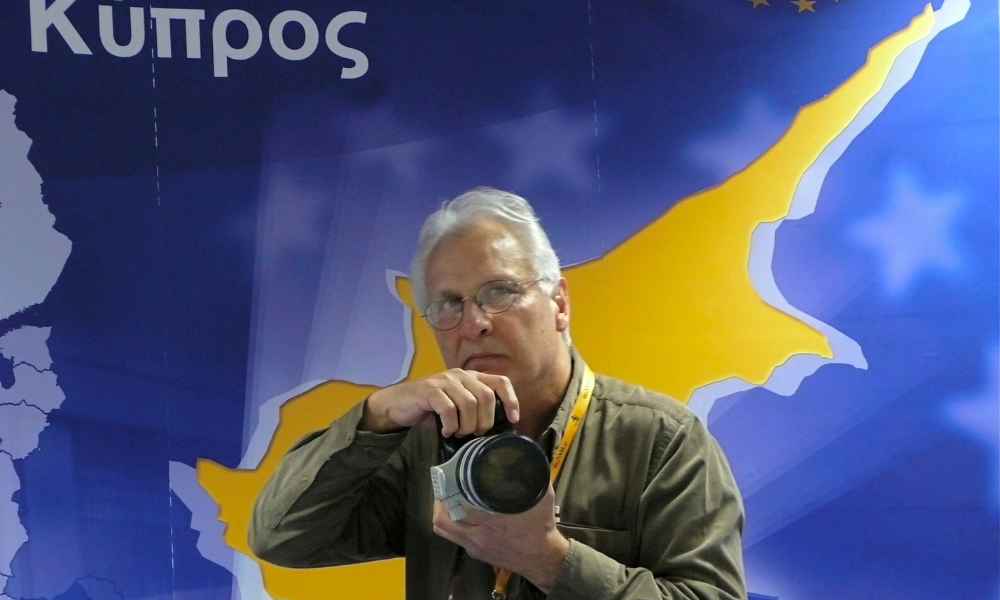
He expects a presentation in Cyprus, as with his previous work, which was presented in cooperation with the Press and Information Office and CyBC.
Books placed in libraries, universities and parliaments
For Partasides, a book is not only a record but a tool of advocacy. His earlier work, Makarios: The Man, The Bishop, The President, was distributed to 400 libraries in London, and his title on the division of Cyprus was placed in public libraries across the city.
He sends his books to leading universities, including those specialising in politics, each accompanied by a personal letter. The new English-language edition will follow the same path.
He has also given more than a hundred copies to politicians, including chairs of parliamentary committees and European Commission figures.
A presentation at the European Parliament
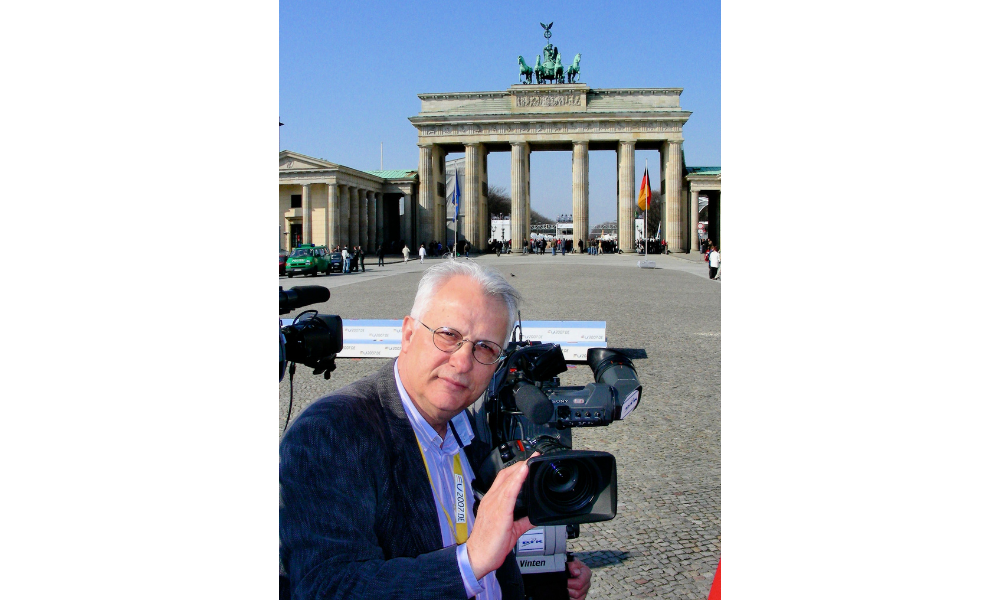
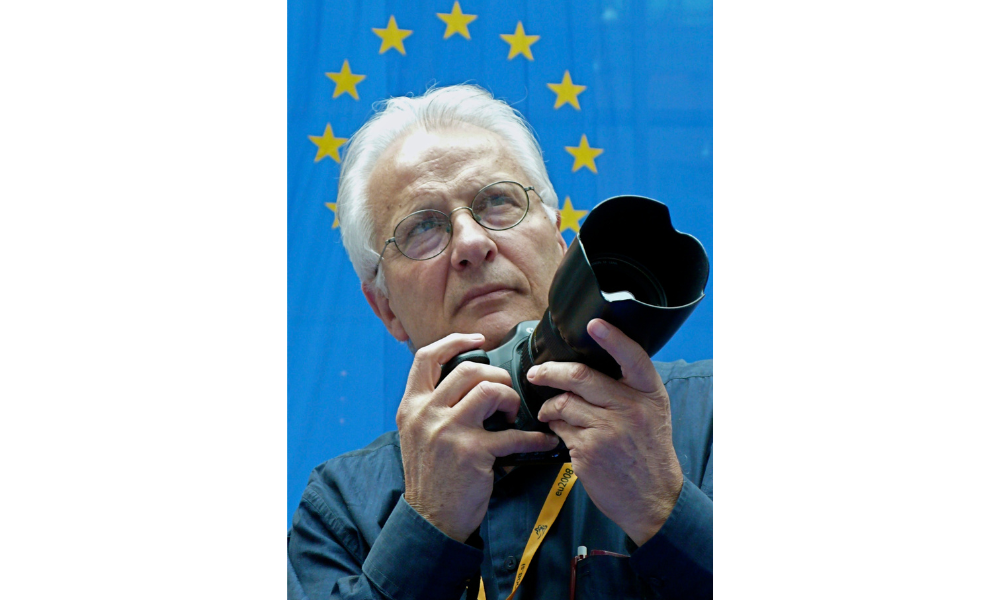
One of his books was presented at the European Parliament, where 55 Members of the European Parliament attended, along with European Commissioners.
Partasides attributes the turnout to the method he used. Rather than relying on a single host, he invited seven or eight MEPs from different countries to host the event together, each of whom brought three or four colleagues.
He recalls that then-Commissioner Anna Diamantopoulou remarked that nothing like it had been held there before.
In conversation: the diaspora then and now
How does the Cypriot diaspora of 50 years ago differ from today’s?
“Fifty years ago, the community was always aligned with the Cypriot parties. Instead, we need leaders who encourage young people to join the British parties, if we want to act in the politics of this country. We are outside. We are in the corridor. Decisions are made inside the British parties.”
Do Cypriots in Britain have a voice in Parliament?
“We have friends and acquaintances among parliamentarians, mainly in North London, and our vote matters to them. But the vote comes every five years. Politics is every day. In the two and a half years since this government took office, the Cyprus issue has not been raised. We may send letters, testimonies and statements, but it is different to be present in the Mother of Democracy, the British Parliament.”
Is it a false impression that loyalty to Cypriot parties prevents the community from taking a more active role?
“Some 80 to 85 per cent of the community follows the parties of Cyprus. The left wing of the Labour Party is very strong, and today it is in government. That is where the strength should be.”
What should be done to strengthen the role of the diaspora?
“Those who come from Cyprus must engage with purpose. They must be involved in the politics of this country and keep the Cypriot position high, as other communities do. Other communities have a large number of MPs. When I look at elections, municipal or parliamentary, I see candidates from every country, and I feel that our community is not represented.”
Partasides argues that Cypriot communities abroad need leadership within the political parties of the countries where they live, rather than within the parties of Cyprus. Only by entering the politics of their adopted country, he says, can they carry the Cypriot position effectively.
How different are elections in Britain from those in Cyprus?
“Here, you have to knock on the door, speak to the voter, call them, and ask them to vote. In Cyprus, elections happen in cafés and restaurants and on television. Here, the voter waits for you at the door to tell you their problem.”
Is there still room for dialogue among Cypriots abroad?
“We know each other, each with his own views. But to understand one another, you have to speak to one another.”
Cyprus in the international press
Partasides is a member of the Foreign Press Association in London, which counts some 600 foreign journalists from 160 countries. His own presence there is a matter of principle. “If I am not there, where would they hear about Cyprus?”