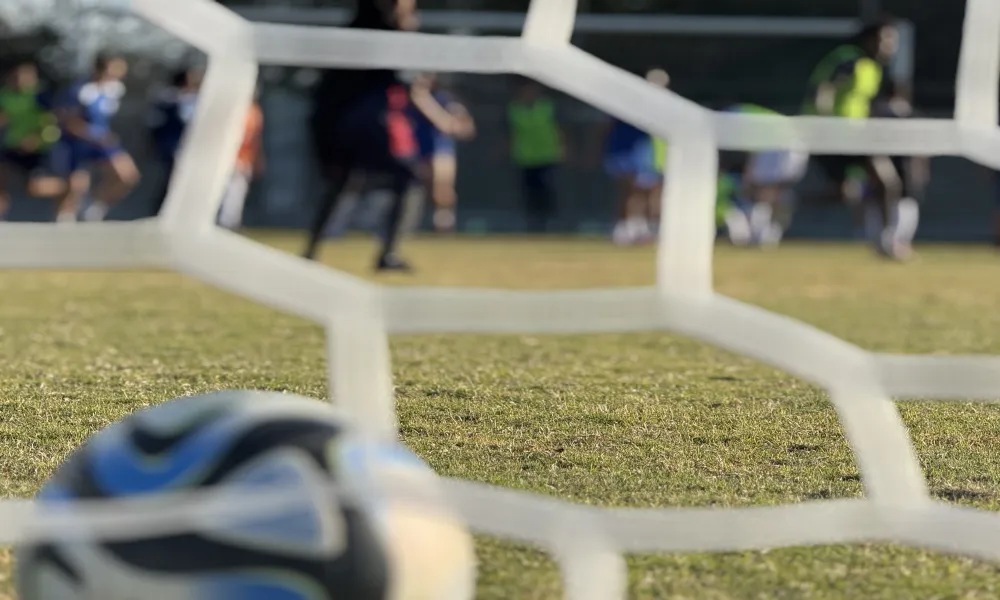

We often write about migration in terms of numbers, procedures and political confrontation. In Pyrga, children of refugees and asylum seekers played football with players from Cyprus’s national youth teams. They reminded me of something that may well matter a great deal, and that we owe it to ourselves to remember: behind every file and every application, there is a child who simply wants to play.
Monday afternoon at the Pyrga community pitch
Monday, just after two o’clock, at the Pyrga community pitch. The teams line up, the ball comes into play and, for as long as the game lasts, nothing else matters. Not where each child comes from, not the journey that brought them to Cyprus, and certainly not what their papers say. All that counts is the next pass.
On Monday 9 November, children from migrant and refugee backgrounds shared the pitch with players from Cyprus’s national youth teams. Some of the children are unaccompanied in Cyprus and others live here with their guardians. The event was co-organised by the Cyprus Football Association (CFA), the Office of the UN High Commissioner for Refugees (UNHCR) in Cyprus and the International Organization for Migration (IOM).
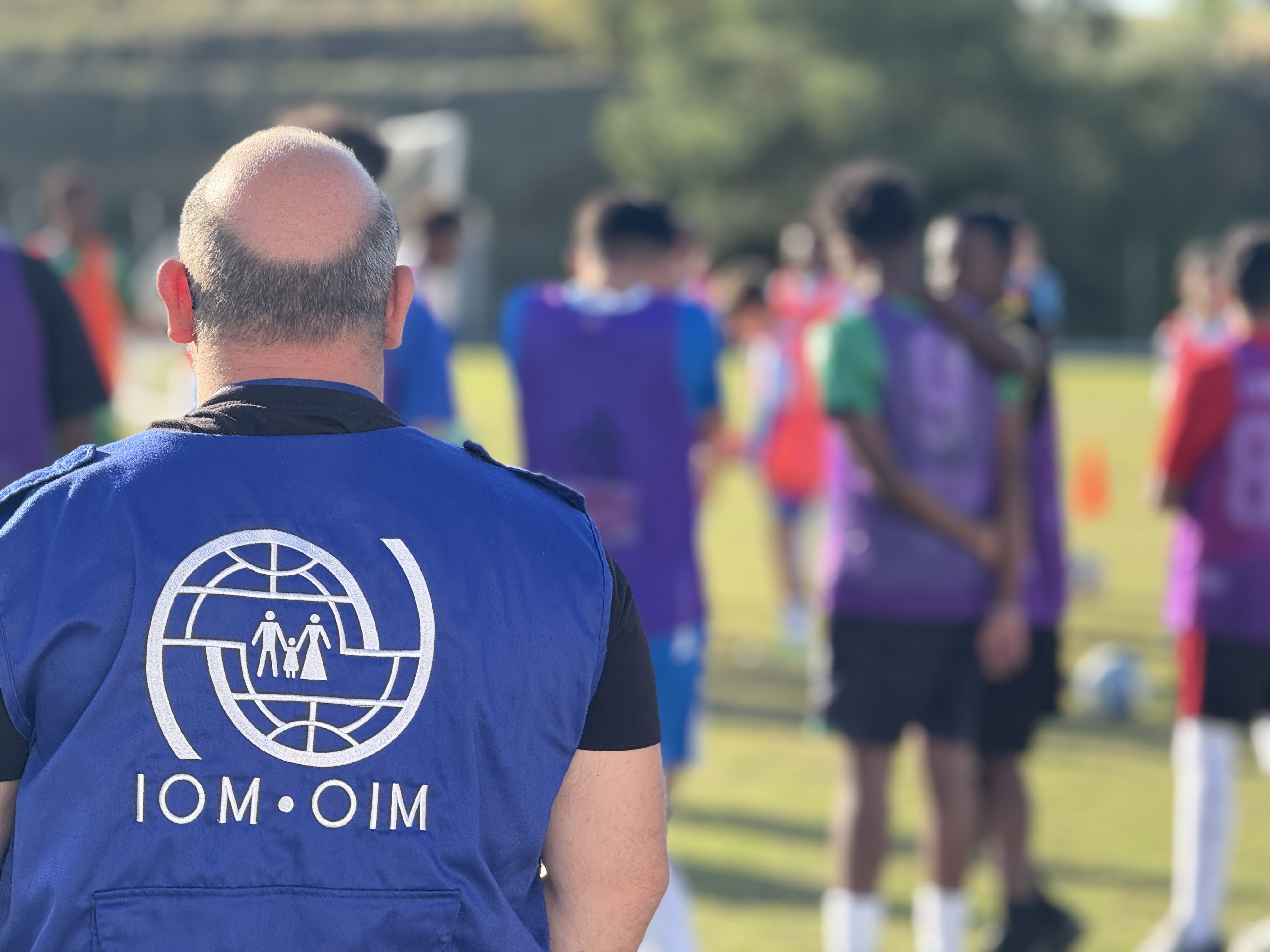
“We are in the wonderful village of Pyrga to facilitate a training session between refugee children and children from Cyprus’s national teams,” said Giorgos Elissaios, Protection Officer at UNHCR. He explained that the three organisations hold the event two to three times a year.
An ongoing programme
The meeting in Pyrga was not a one-off, and it will not be the last. Charalambos Charalambous, SES Manager at the CFA, described how the training sessions work: “Asylum seekers and refugees, all of them minors. We hold a few training sessions a year, and at the end of the year we close with a lovely day full of play.”
The programme already has a track record. In June, to mark World Refugee Day, the same organisations brought children together at the “Sotirio” sports centre in Kofinou. They came from the Kofinou Reception and Accommodation Centre, along with unaccompanied minors taking part in IOM’s semi-independent living programme. Throughout the year, the children had trained with coaches from the CFA coaching school, building skills and friendships in an organised and supportive environment.
In Pyrga, according to Mr Charalambous, 30 to 35 children took part alongside the national youth team players. He described the aim simply: “Training, fun and getting to know the sport.” For many of these children, such a chance cannot be taken for granted. “It is a way for them to get out, because they don’t have this opportunity anywhere else,” he noted.
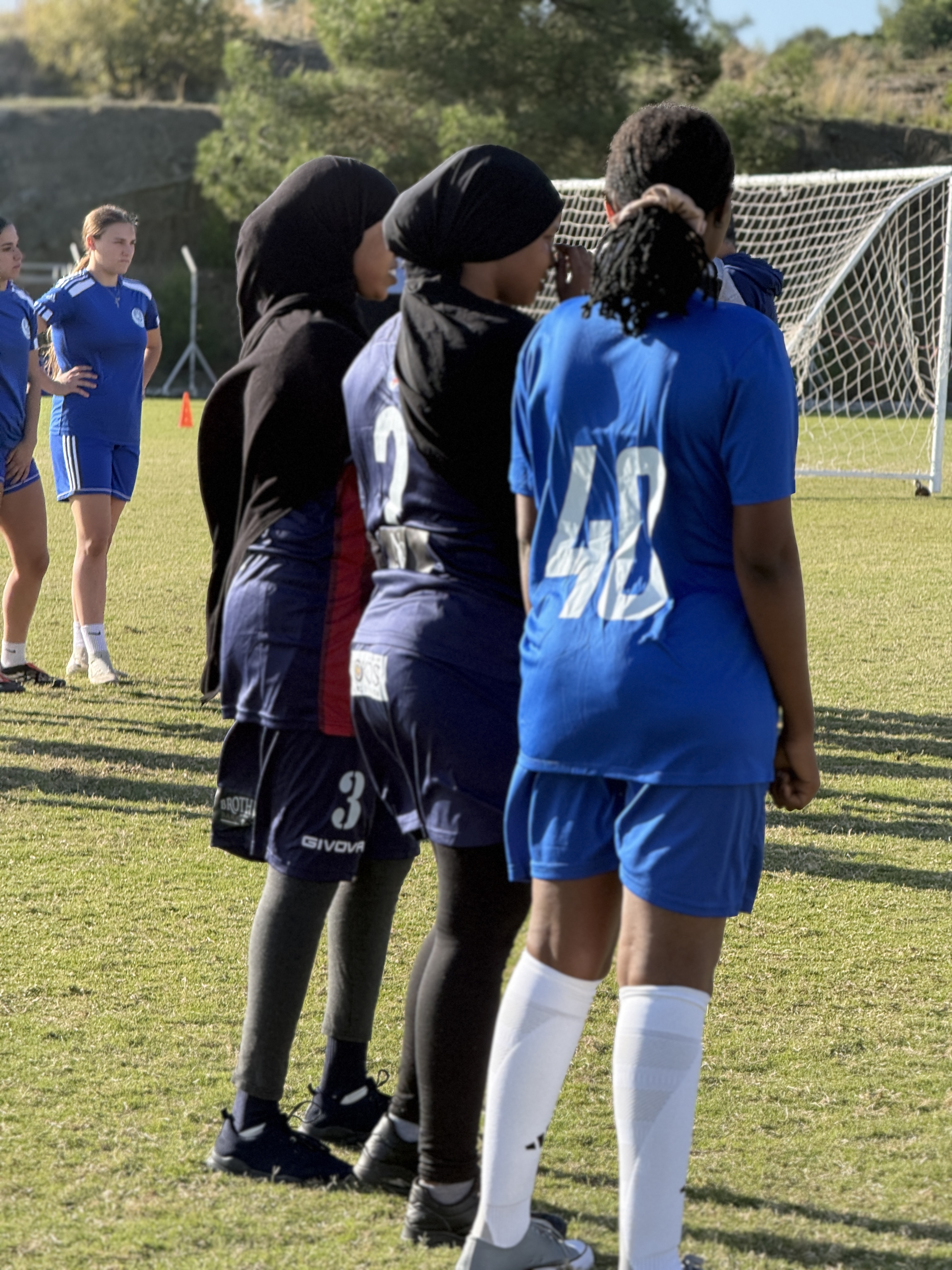
The best sign that the initiative is working comes from the children themselves. “They have a wonderful time. That’s why they keep asking us to carry on,” Mr Charalambous said.
Integration starts on the pitch
In this case, football is a means rather than an end in itself. The first and foremost goal is the children’s integration into local society. An encounter like this can be a point of connection with peers their own age who are citizens of the country.
The initiative is also part of a wider educational framework. The aim is to offer these children non-formal education opportunities, beyond the formal education the state is responsible for. Sport is among the areas that interest them most.
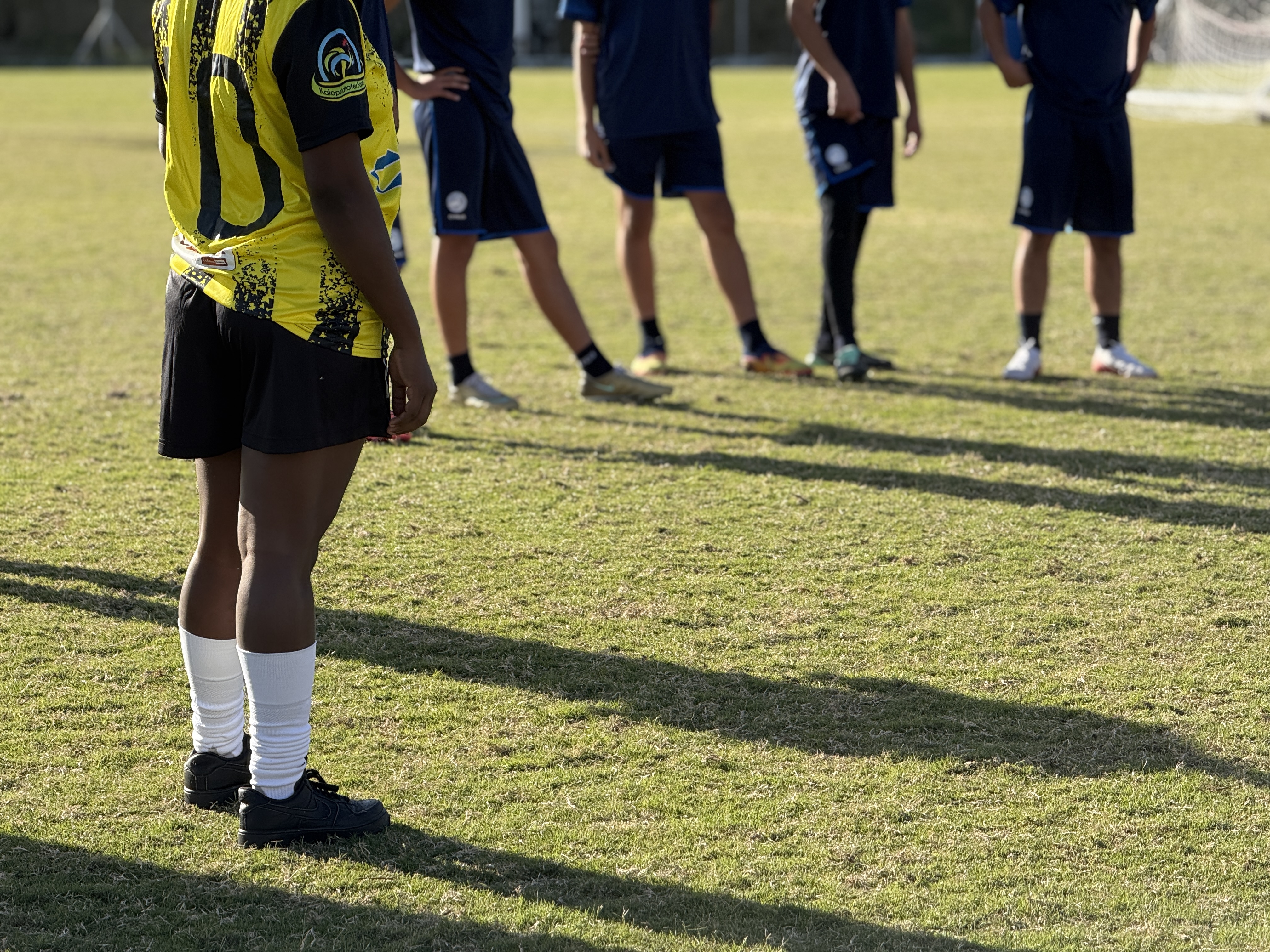
The logic is clear. On the pitch, language is no barrier, the rules are the same for everyone and teamwork is not optional but essential. A child who knew no one in Cyprus just a few months ago gains teammates. A child growing up here learns that a teammate may have a very different story, but the same excitement over a goal.
Just kids
Mr Elissaios described the day as a chance for children of both refugee and Cypriot origin “to come together, to just be kids and to enjoy the game”.
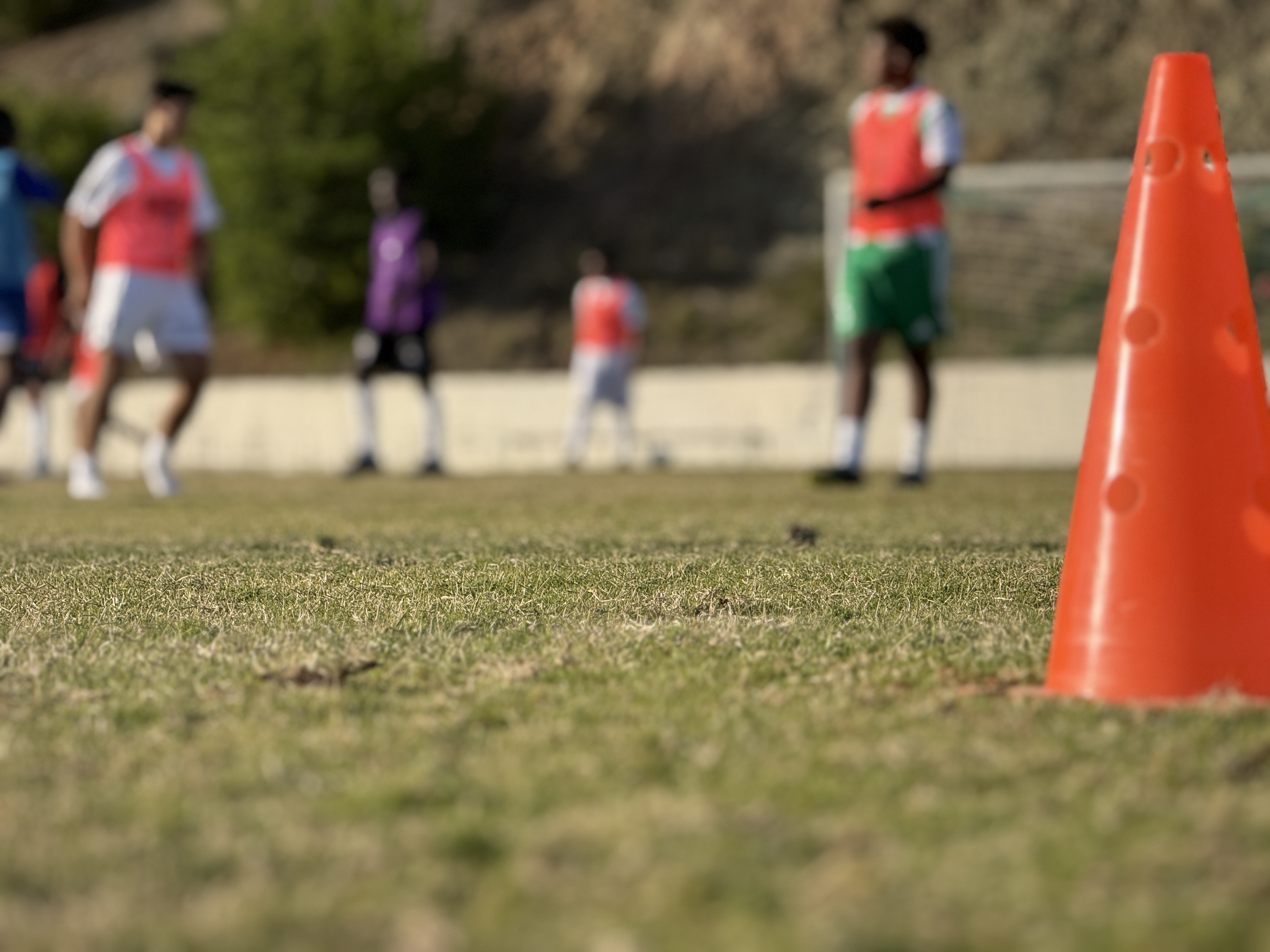
The phrase “just kids” captures what the initiative is about. Many of the children who played in Pyrga have lived through displacement, and some arrived in Cyprus without their families. Football does not erase that experience. But it gives them something just as important: a space where they are defined by what they do on the pitch, not by their status.
A symbolic year for refugee protection
The year also carries symbolic weight. 2026 marks 75 years since the 1951 Convention Relating to the Status of Refugees, and this year’s World Refugee Day message was “Until everyone is safe”. Protection, however, goes beyond shelter and documents. It also includes a child’s right to belong somewhere.
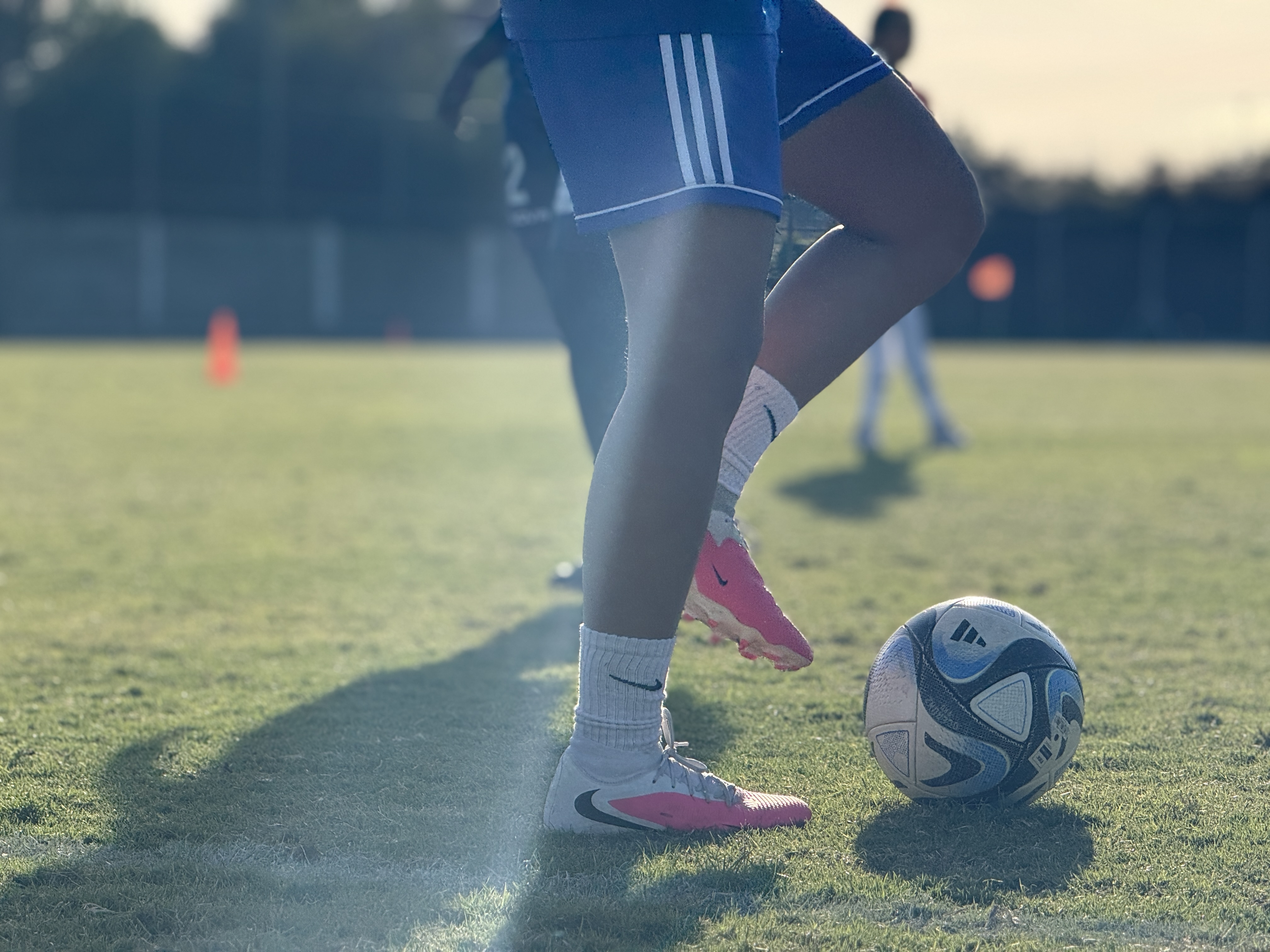
The three organisations do not promise that one training session will change a life. What they do show is that integration is built through consistency, one meeting at a time. As long as the children keep asking for more, there is every reason for the next kick-off to follow.