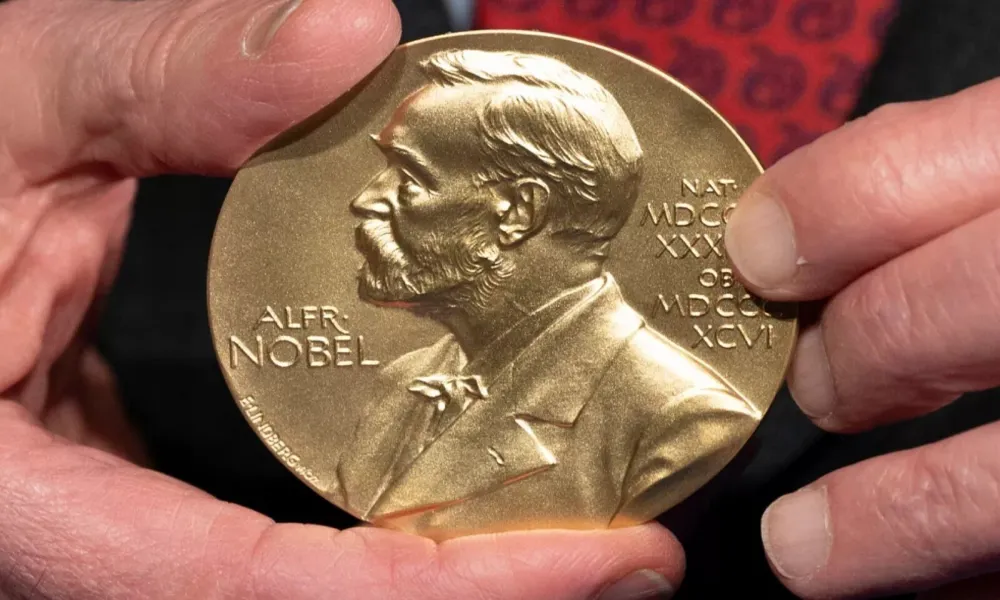
A growing chorus of scientists, policymakers and climate activists argue that the absence of a Nobel Prize for climate science or sustainability is no longer tenable. Their position has gained momentum after a bold move by the German company Ecosia, which has pledged one million euros to help establish what could become the first Nobel Prize for Climate and Planetary Health.
A prize designed for another era
Since Alfred Nobel established the awards in 1895, the prize structure has remained largely unchanged. The only addition came in 1968 with the creation of the Prize in Economic Sciences. But as global challenges have transformed, many say the Nobel framework has not kept pace.
Climate change is now widely considered the most significant existential threat facing humanity. The lack of a prize that systematically honours breakthroughs in climate science, sustainable technology, environmental governance or climate justice is, according to critics, a glaring omission.
The Ecosia initiative
Ecosia, best known for financing reforestation projects through its search engine revenues, announced that it has placed one million euros in escrow in Berlin to support the creation of a new Nobel category. The company has formally called on the Royal Swedish Academy of Sciences, responsible for awarding the Nobel Prizes in Physics, Chemistry and Economics, to consider establishing the new award.
Importantly, Ecosia emphasised that it seeks no role in selecting nominees or laureates. Its proposed model mirrors the economics prize, where nominations and evaluations are handled entirely by independent scientific bodies.
The new prize could honour individuals, research teams, organisations or even companies that have made meaningful contributions to mitigating climate change through scientific innovation, public-policy leadership or environmental justice initiatives.
As Ecosia CEO Christian Kroll put it, “The way we respond to the climate crisis will define humanity. A Nobel dedicated to climate and planetary health could inspire and accelerate global action.”
Growing public and scientific pressure
International interest in a climate-focused Nobel has been steadily rising. Climate activist Luisa Neubauer argues that such a prize would serve as a global “signal of seriousness,” elevating the work of scientists and communities confronting the crisis.
Similarly, Andreas Huber of the German branch of the Club of Rome says the proposal revives the core principle of Alfred Nobel’s vision: rewarding contributions that bring the greatest benefit to humankind. In the 21st century, he argues, protecting the basic systems that sustain life most clearly fulfils that mission.
Indigenous Brazilian leader Álvaro Tukano has also noted that the world’s most prestigious awards must recognise the “central struggle of our time”: the preservation of the planet under intensifying ecological stress.
Will the Nobel Foundation accept the challenge?
The Nobel Foundation has not publicly responded to the proposal. Historically, it has been reluctant to expand the number of prize categories, citing the importance of preserving the awards’ identity and coherence.
Yet the Ecosia pledge has introduced something previous calls lacked: financing and a concrete, structured proposal. What remains unclear is whether the Swedish Academy believes that climate and planetary health, despite overwhelming scientific evidence of global urgency, merit a new Nobel category.
Regardless of the outcome, the initiative has reignited a pressing question: can a prize created to honour the world’s greatest contributions to humanity continue to overlook the defining crisis of the modern age?
Sources: The Guardian, Reuters, AP