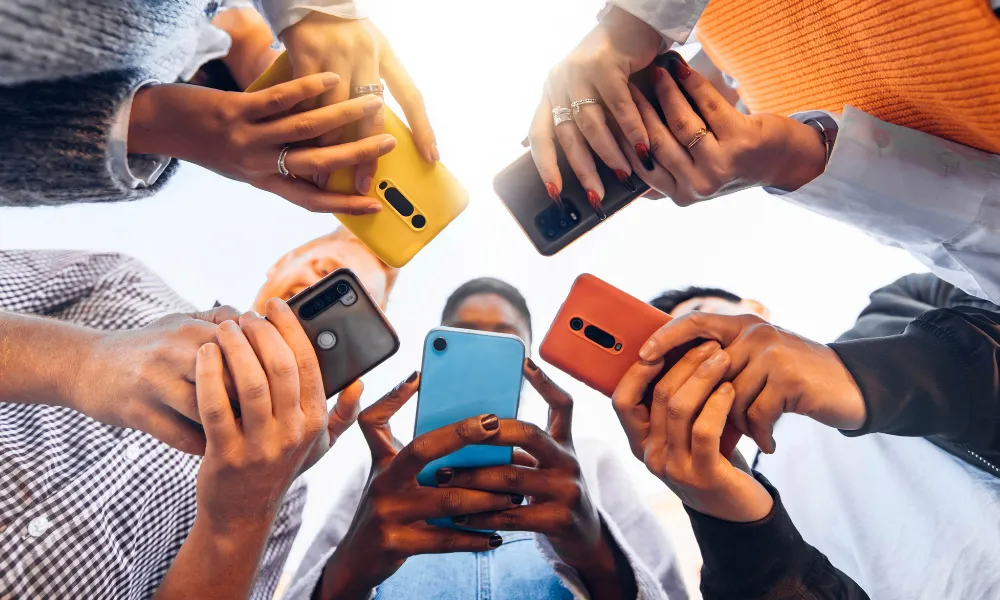
Australia has begun implementing one of the world’s toughest restrictions on children’s use of social media, enforcing a new national law that prohibits anyone under 16 from holding an account on major platforms. The measure, which took effect on Wednesday after passing Parliament with broad support last year, compels tech companies to identify and deactivate underage users or face penalties of up to 32 million dollars.
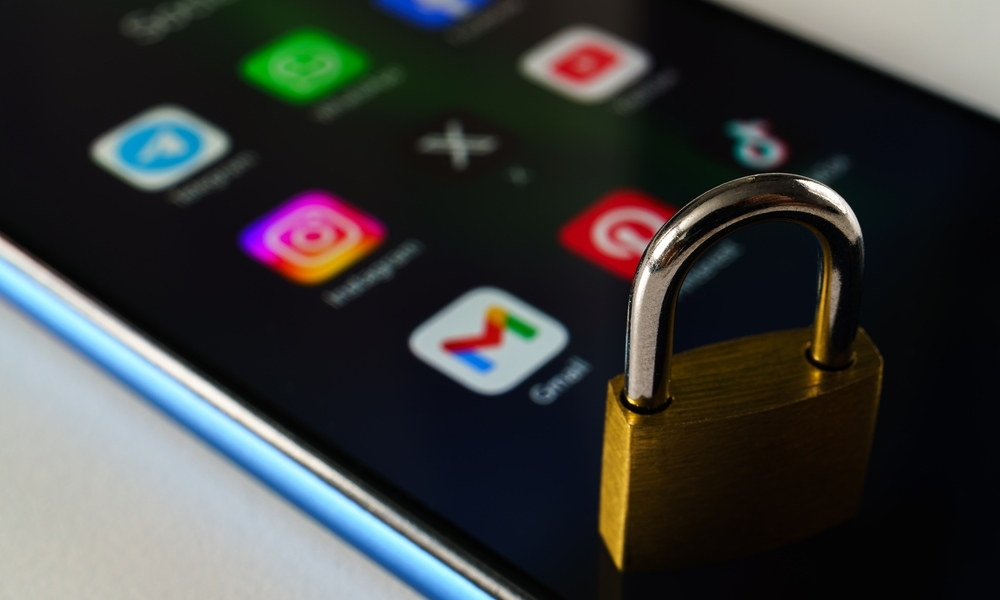
The law covers ten of the largest platforms in the country, including Facebook, Instagram, TikTok, YouTube, Snapchat, X, Reddit, Threads, Twitch and Kick. Several companies confirmed they had already begun shutting down accounts in the days leading to enforcement, while others have requested clarification on what the Australian government defines as a social media service.
Prime Minister Anthony Albanese defended the move as a necessary step to protect children’s wellbeing. “Our social media ban is about making sure kids have a childhood,” he said in videos posted on X and Instagram. “It is not going to be perfect, but it is too important not to give it a crack.”
How the ban works
Under the new regime, platforms must take what the law describes as “reasonable steps” to detect and remove under-16 accounts. Companies are required to report the number of underage users on their services before the law took effect, immediately after enforcement, and then for six consecutive months.
Age verification is left to the companies, though the law prohibits reliance on government IDs as the sole method, citing privacy risks. Some teenagers told Australian media that verification prompts using facial-analysis tools produced inaccurate age estimates. Privacy and digital rights groups have warned that stronger verification systems may drive children to unregulated websites and apps.
According to the eSafety Commissioner, 95 percent of Australians aged 13 to 15 used social media in 2024, with YouTube, TikTok, Snapchat and Instagram dominating. Regulators argue that early and heavy exposure contributes to anxiety, harassment, body-image pressures and sleep disruption.
Legal challenges and backlash
The ban has provoked a swift reaction from young users and civil society groups. Two teenagers, backed by an advocacy organisation, have filed a constitutional challenge in Australia’s High Court, arguing the measure violates their right to political communication and access to information. Australian media have also reported that Reddit is preparing to launch legal action, claiming the legislation is vague and imposes unworkable obligations.
Human rights organisations warn that a “blanket ban” may prove counterproductive. Amnesty International said that teenagers who seek to evade the restrictions will simply move to more hidden and less regulated corners of the internet. “A ban means they will continue to be exposed to the same harms but in secret, leaving them at even greater risk,” the organisation said in a statement.
Critics also highlight the disproportionate impact on young people in remote or marginalised communities, where social media can be a critical tool for connection, education and support networks. Disability advocates warn that the policy may hinder access to online communities that many teenagers rely on for inclusion.
A trend spreading beyond Australia
Australia is positioning itself as a global testing ground for strict social media age rules. Denmark and Malaysia are preparing similar measures, and lawmakers in the United States, France and South Korea are studying the Australian model as concerns grow over the relationship between technology, mental health and child safety.
Supporters argue that governments have a responsibility to intervene where tech companies have failed. Opponents counter that regulation should focus on platform design, addictive algorithms and data practices, rather than restricting access.
For now, Australia is embarking on a bold and uncertain experiment. Whether it becomes a blueprint for others or a cautionary tale will depend on its ability to protect children without pushing them further into the shadows online.
Sources: New York Times, ABC Australia, BBC, The Guardian, Australia eSafety Commissioner