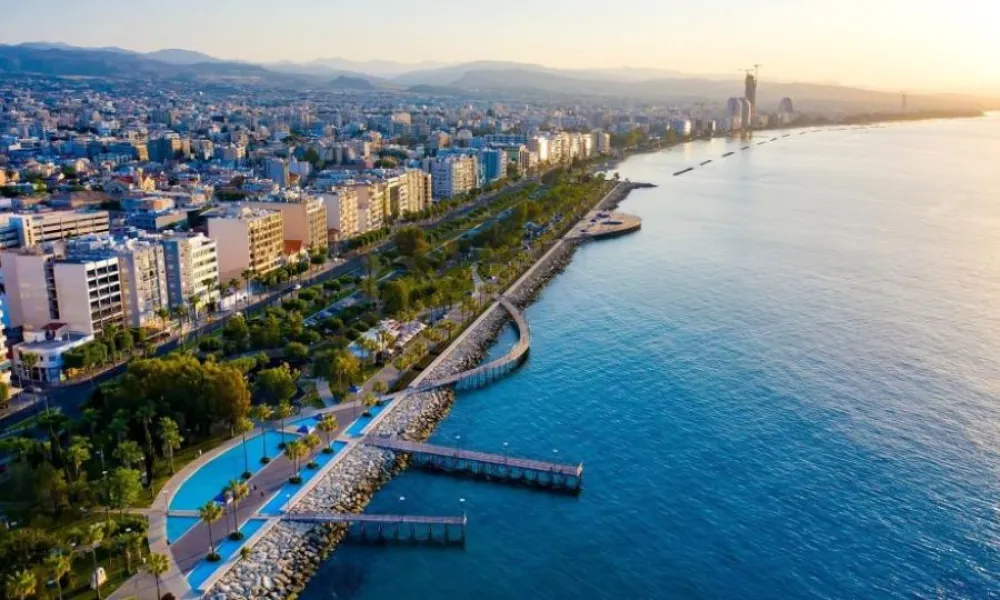
Limassol is a city that looks outward. Shaped by trade, migration and constant movement, it does not wear its history quietly. Ancient ruins sit near the sea; medieval walls coexist with contemporary cultural spaces; and tradition is often reinterpreted rather than preserved unchanged.
For anyone spending time in Limassol — whether briefly or long enough to settle in — its cultural sites and museums offer a way to understand how the city became what it is today: layered, diverse and constantly evolving.
Start With the Long View
Limassol Archaeological Museum
The city’s ancient foundations, from prehistory to Roman times
Address: Near the Limassol Public Gardens, Palias Elenis 36, Limassol
The Archaeological Museum of Limassol presents artifacts spanning from the Neolithic through Roman periods, including sculpture, pottery and jewellery from excavations across the region.
Amathus Archaeological Site (Amathouda)
A major ancient city by the sea — ritual, royalty and continuity
Address: Amathus Archaeological Site, Amathus Avenue, Limassol
Amathus was one of the ancient city-kingdoms of Cyprus, inhabited from the Late Bronze Age through the Roman period. Its remains include a temple of Aphrodite, impressive fortification walls, tombs, mosaics and an agora. The site reveals how coastal city-states functioned in antiquity and how Cyprus was connected to the wider Mediterranean world.
Because it is an open archaeological zone, visiting at different times of day offers changing light, perspective and atmosphere — part of the experience itself.
The City’s Defining Landmark
Limassol Castle and Medieval Museum
Where history meets the present
Address: 34 Kimonos Street, Old Town, Limassol
Limassol Castle houses the Medieval Museum of Cyprus, with exhibits that trace the island’s medieval era and showcase artefacts from Byzantium through the Lusignan and Venetian periods.
Art, Culture and Contemporary Expression
Limassol Municipal Art Gallery
A quieter encounter with modern and contemporary art
Address: Georgiou A’ Avenue, Limassol
The Municipal Art Gallery presents works by Cypriot and international artists, giving visitors insight into modern Cypriot artistic narratives and urban cultural life.
Pattichion Municipal Museum – Historical Archive and Research Centre
Limassol through documents, photographs and memory
Address: 5 Lordou Vyronos Street (next to the Municipal Gardens), Limassol
This museum doubles as the city’s historical archive, preserving written and visual material — from newspapers and photographs to early records — that explain Limassol’s development over centuries.
Wine, Trade and Local Heritage
Cyprus Wine Museum
The island’s wine story told through Limassol
Address: Palia Poli (Old Town), Limassol City
The Cyprus Wine Museum explores the long tradition of winemaking on the island, with displays of tools, equipment and narratives that connect ancient viticulture with contemporary practice.
Specialist Museums With Character
Carob Mill Museum – Lanitis
Industry, labour and port identity
Address: 11/1 Vasilissis Street, Limassol 3042
The Carob Mill Museum presents interactive exhibits on the carob trade, once a major pillar of the Cypriot economy. It shows old processing machinery and explains how carob pods — once called “black gold” — shaped rural and urban life alike.
Cyprus Historic & Classic Motor Museum
Automobiles as cultural archive
Address: Epimitheos Street, A’ Industrial Area, Limassol 3056
This specialised museum showcases classic, vintage and historic vehicles, offering a different perspective on technological progress, craftsmanship and twentieth-century history.
Cultural Districts Worth Exploring
Limassol Old Town
Museums, galleries and cultural spaces cluster around the medieval castle and port area. Strolling its streets reveals layers of history, architectural memory and everyday urban life.
Limassol Public Gardens Area
Adjacent to Limassol’s large municipal gardens and zoo, several cultural sites are nearby — including the Archaeological Museum and the historical archive — making this green heart a hub for culture and leisure.
Opening days and hours vary significantly between venues, and they may change due to exhibitions, events or public holidays. Visitors are strongly advised to contact each museum in advance or check official channels before planning their visit, to ensure accurate information and availability.