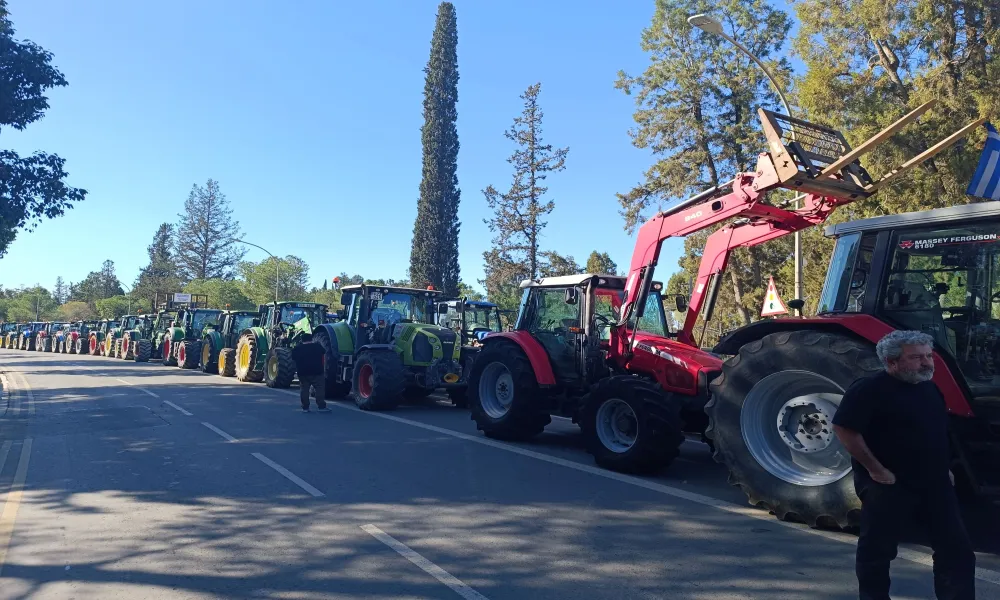
Cyprus’ farmers staged one of their most forceful demonstrations in years on Thursday, marching from the Presidential Palace to the House of Europe in central Nicosia. The protest mirrored mass mobilisations across Brussels, where thousands of farmers and hundreds of tractors converged on the EU quarter as leaders met to discuss the bloc’s next long-term budget.
At the heart of the Cypriot mobilisation were delays in area-based subsidies, the mounting pressure on primary production and concerns over the EU’s plans to overhaul the Common Agricultural Policy (CAP) after 2027.
Anger over delayed payments
Confrontations broke out outside the Presidential Palace when farmers demanded explanations for subsidy delays, particularly for those cultivating state-owned or Turkish-Cypriot land. Many said their income over the Christmas period was now uncertain.
Andreas Grigoriou, Director-General of the Agriculture Ministry, received the farmers’ petitions on behalf of the President. He said payments had begun on Tuesday and that most beneficiaries had already been paid. Subsidies for state and Turkish-Cypriot plots would be issued in the coming days, he added, with more complicated cases expected to be resolved in early January.
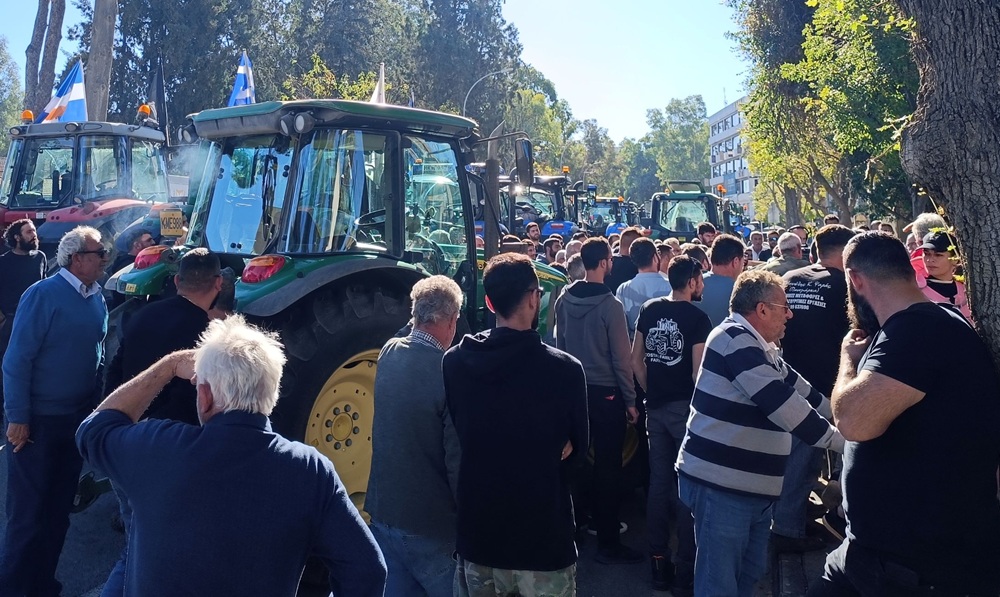
He acknowledged that several cases were held back due to legal questions over land tenure, but said coordination with the Interior Ministry and the Land Registry had cleared the way for disbursements.
Agricultural organisations demanded a permanent legislative solution so that legal disputes over state and TC-owned land do not leave thousands of farmers in limbo each year. According to information provided to Politis, out of roughly 28,000 beneficiaries expecting a share of €47.6 million, a sizeable number remain stuck in bureaucratic processes linked to land-use status.
Sector demands: climate relief and cutting red tape
In their memo to President Nikos Christodoulides, unions identified three domestic priorities requiring immediate political action.
First, activation of CAP Measure 23 to compensate for the prolonged drought and extreme weather of 2025, which has depleted farmers’ financial reserves.
Second, a crackdown on bureaucratic delays, particularly at the Land Registry, where applications for leasing government land have reportedly been pending for up to a decade.
Third, legislative clarity on the use of Turkish-Cypriot land by all professional farmers, regardless of refugee status.
Cypriot farmers join a European uprising
Cyprus’ protest was part of a broader European mobilisation. In Brussels, around 10,000 farmers and 40 agricultural organisations rallied near the EU institutions, denouncing rising production costs, cheap imports and fears that CAP spending will be cut in the next long-term EU budget. Demonstrations also took place in several other member states.
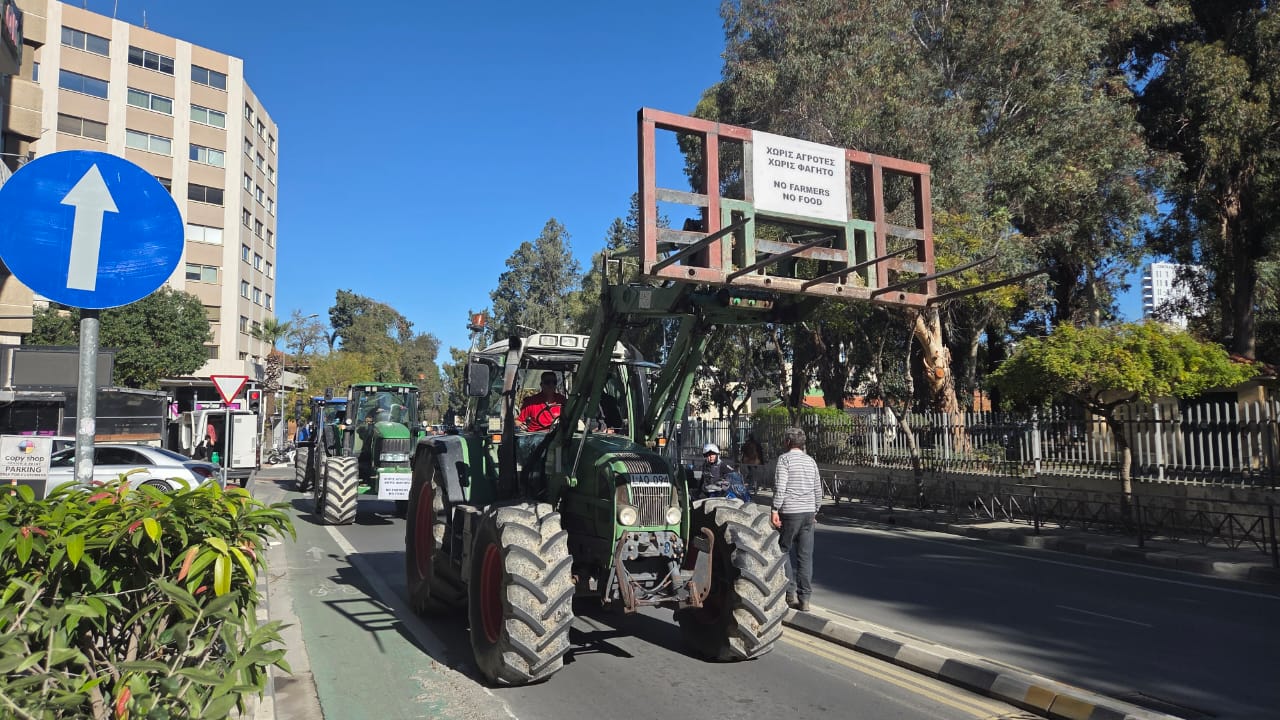
Cypriot organisations, aligning themselves with COPA-COGECA, warned against a proposed €86.5 billion cut to agricultural spending. They also expressed strong opposition to the EU-Mercosur trade deal, arguing it would expose EU farmers to unfair competition from lower-standard imports.
Their memo outlined three core demands: a strong post-2027 CAP, fair trade rules including stricter control over imports from Ukraine and Morocco, and legal certainty on fertiliser policy, including delaying the inclusion of fertilisers in the Carbon Border Adjustment Mechanism until at least January 2026.
Clashes in Brussels as tensions boil over
Unlike the peaceful marches in Nicosia and Paphos, Brussels saw violent scenes. Farmers hurled objects at police, who responded with tear gas. Approximately 400 tractors arrived before dawn, catching authorities off guard and forcing a rapid deployment of riot police and helicopters around the EU district.
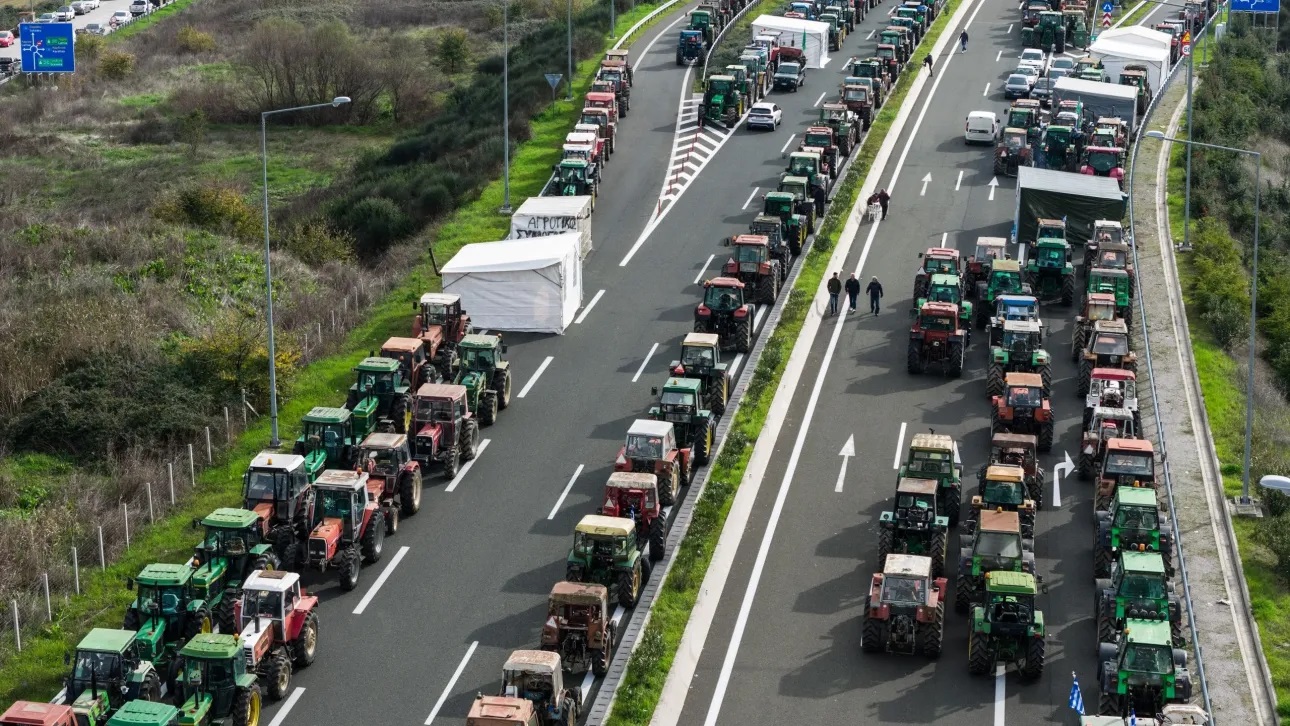
The timing was not accidental. The protest coincided with a key European Council meeting on the EU’s next long-term budget, while Commission President Ursula von der Leyen is expected to travel to Brazil later this week to discuss the Mercosur agreement, a deal that EU farmers have labelled a red line.