U.S. President Donald Trump has extended his deadline for Iran to comply with demands over the Strait of Hormuz, delaying threatened strikes on Iranian energy infrastructure until April 7, as the war enters a new and increasingly volatile phase. The decision comes amid conflicting signals on diplomacy, continued military escalation, and growing fears that the conflict could expand beyond the Gulf to disrupt a second critical global shipping route.
Deadline extended as negotiations remain unclear
Trump announced a renewed pause on attacks targeting Iran’s energy sector, stating that discussions with Tehran are “going very well,” despite Iranian officials denying direct negotiations. The new deadline follows an earlier five-day pause announced on March 23, with the latest extension reportedly linked to indirect diplomatic efforts. According to Germany’s Foreign Minister Johann Wadephul, preparations are underway for potential talks in Pakistan, which has acted as an intermediary between Washington and Tehran.
However, uncertainty persists over who is representing Iran in these contacts, particularly after the war eliminated several senior officials. Tehran has rejected a 15-point U.S. proposal to end the conflict, describing it as “unfair” and aligned solely with American and Israeli interests. The proposal reportedly includes demands on Iran’s nuclear and missile programmes, as well as control over the Strait of Hormuz.
Hormuz pressure and economic shock
Iran has effectively disrupted traffic through the Strait of Hormuz, a corridor responsible for roughly 20 percent of global oil and liquefied natural gas flows. The impact has been immediate. Oil prices have surged above $100 per barrel, with Brent crude climbing more than 50 percent since the war began. The disruption has extended beyond energy markets, pushing up fertiliser costs and fuelling broader inflation concerns.
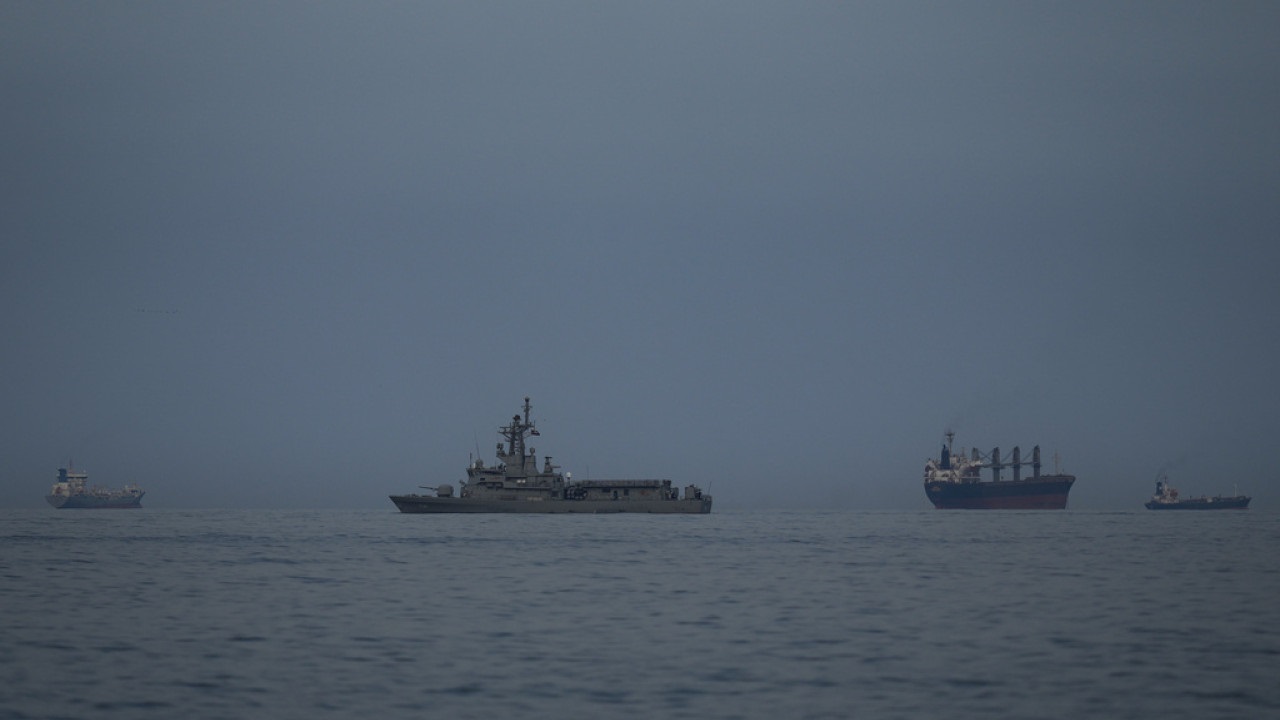
At the same time, regional infrastructure remains vulnerable. Iran has warned it will strike energy facilities across the Gulf if U.S. attacks proceed, raising the risk of cascading damage to electricity supply and desalination systems relied upon by millions.
Second strait emerges as escalation risk
Beyond Hormuz, analysts are increasingly focused on a second strategic chokepoint: the Bab el-Mandeb Strait in the Red Sea.
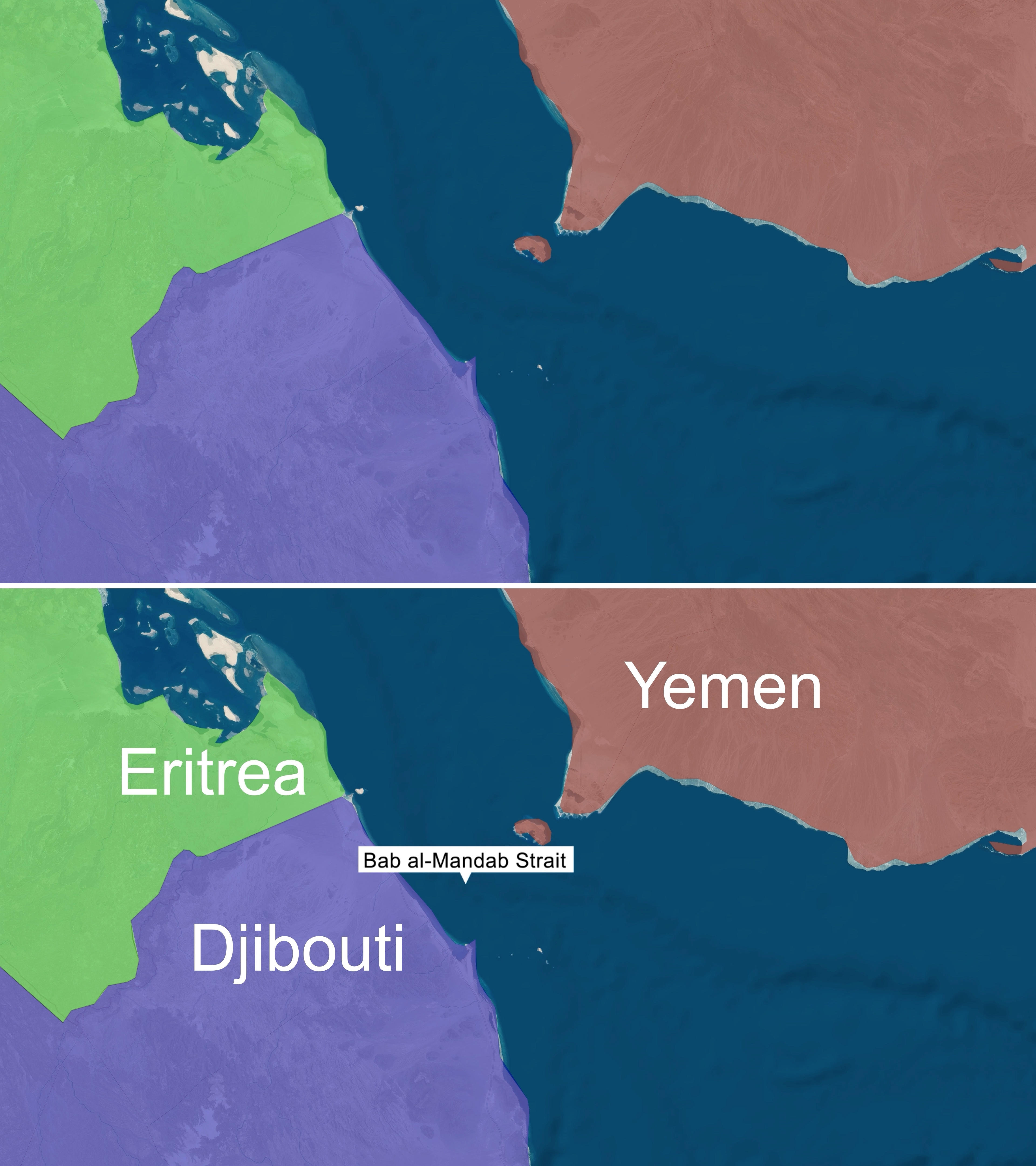
The corridor, located between Yemen and the Horn of Africa, carries around 10 percent of global oil and gas shipments and has previously been targeted by the Iran-backed Houthi movement. Iranian officials have signalled that further escalation could extend “insecurity” to additional maritime routes, including the Red Sea. Experts warn that involvement by Houthi forces could significantly deepen the crisis.
Energy and security analysts suggest that even limited attacks on shipping in Bab el-Mandeb could make tanker operations unviable, potentially increasing disrupted supply flows from roughly 10 million barrels per day to as much as 15–17 million. Such a scenario could push oil prices towards $150 per barrel, amplifying global economic strain. Major shipping companies, including MSC and Maersk, have already begun avoiding the region due to security concerns.
Military pressure continues on multiple fronts
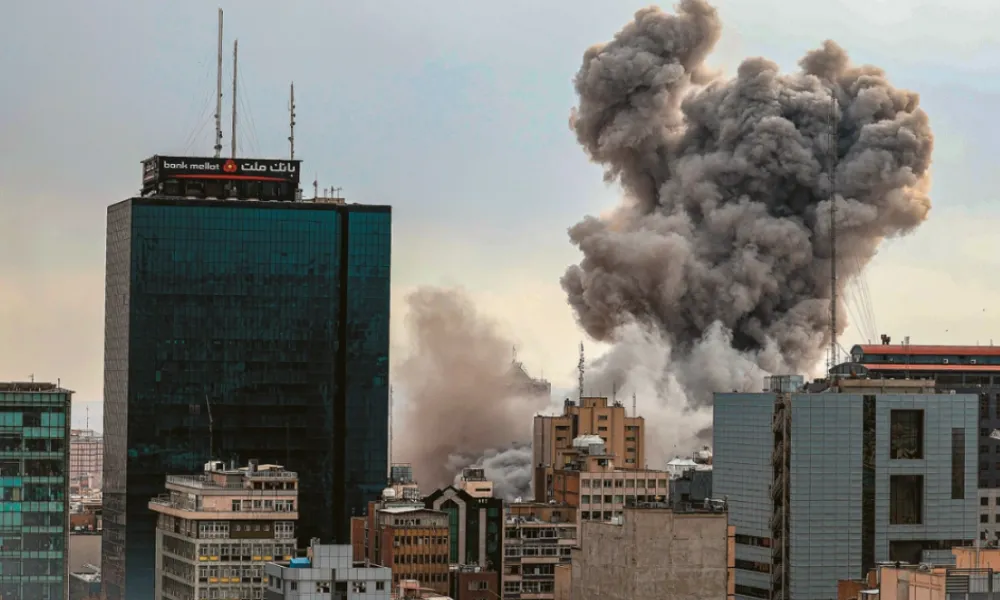
On the ground, hostilities show no sign of easing. Strikes in Iran have hit both military and civilian areas. In Qom, at least six people were killed after buildings were struck, while rescue teams in Tehran continue to search for survivors under rubble. In Urumia, a missile strike on a residential complex caused further casualties.
Israel says it has targeted key Iranian military infrastructure, including facilities linked to missile and sea mine production in Yazd. Meanwhile, Iranian authorities report internal security operations, including arrests of individuals allegedly linked to Israel’s Mossad, accused of coordinating attacks and transmitting sensitive information.
Strategic deadlock and shifting leverage
Despite Trump’s assertion that the U.S. holds a strong negotiating position, analysts increasingly question whether Iran is under sufficient pressure to concede. Iran’s ability to disrupt Hormuz has demonstrated its leverage over global markets, while the potential to extend disruption to Bab el-Mandeb represents a further escalation tool.
At the same time, divisions among Western allies are emerging. While the United Arab Emirates has signalled willingness to support maritime operations to reopen Hormuz, other U.S. partners have resisted calls to deploy naval forces. The result is a fragile strategic balance: a war that continues to escalate militarily while remaining unresolved diplomatically. With the April 7 deadline approaching, the trajectory of the conflict will likely depend on whether indirect talks translate into concrete negotiations or collapse under the weight of competing demands.
Sources: Politico, Reuters