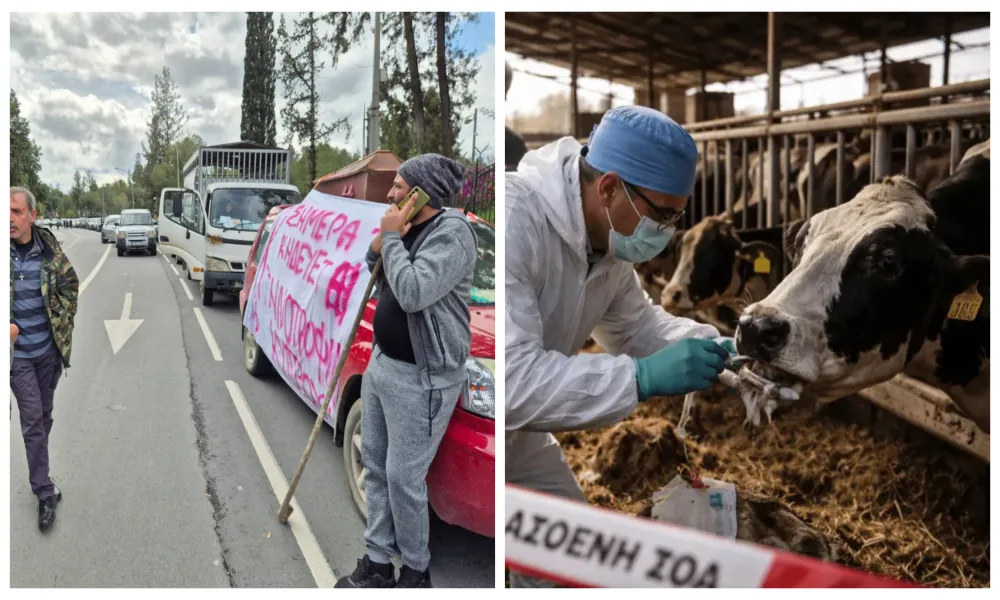
Foot‑and‑mouth disease has affected 5.5% of the country’s livestock – excluding pigs – according to Stavros Malas, head of the special scientific committee for the reconstruction and upgrading of the livestock sector.
Speaking on public radio, Malas said that the current level of loss remains manageable, provided the spread of the disease can be contained.
Frustration understandable
Commenting on farmers’ reactions to the culling of animals – including cases in which vaccinated herds are culled when an infection is detected – Malas said the frustration of farmers and the wider public is entirely understandable. From one day to the next, he noted, “or even from one hour to the next, you can lose your entire operation.” However, he stressed the need to allow independent scientific voices to guide public understanding.
Prioritise science over opinion
“It is good to let scientists, who have an independent view, express their opinion and inform the public so that there is proper information. And I believe that when the virus first appeared, various people began to present themselves as scientists on television and social media, and the approach that had been followed was essentially called into question. We may have paid for that to some extent.”
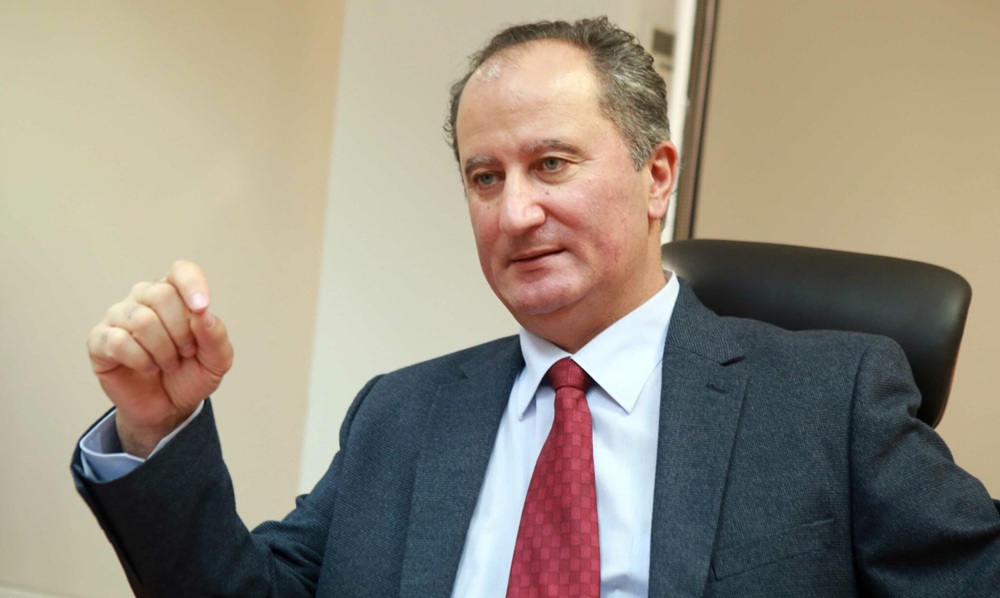
Asked to clarify, Malas explained that vaccinated animals are far less likely to develop symptoms, but they can still transmit the virus. Vaccination, he said, is mainly suppressive: it drastically reduces the viral load released from an infected unit, lowering the likelihood of transmission to a neighbouring farm.
Committee meets on Friday
Malas added that the committee which he chairs has now received its terms of reference and will convene for the first time on Friday. The initial priority, he said, will be to protect farms that have animals of high genetic value, which will form the core stock for replenishing the country’s lost livestock.
In its first phase, the committee will consist of 12 members, but Malas said several sub‑committees will also be created in order to hear from many specialised experts and ensure a comprehensive, participatory process.